

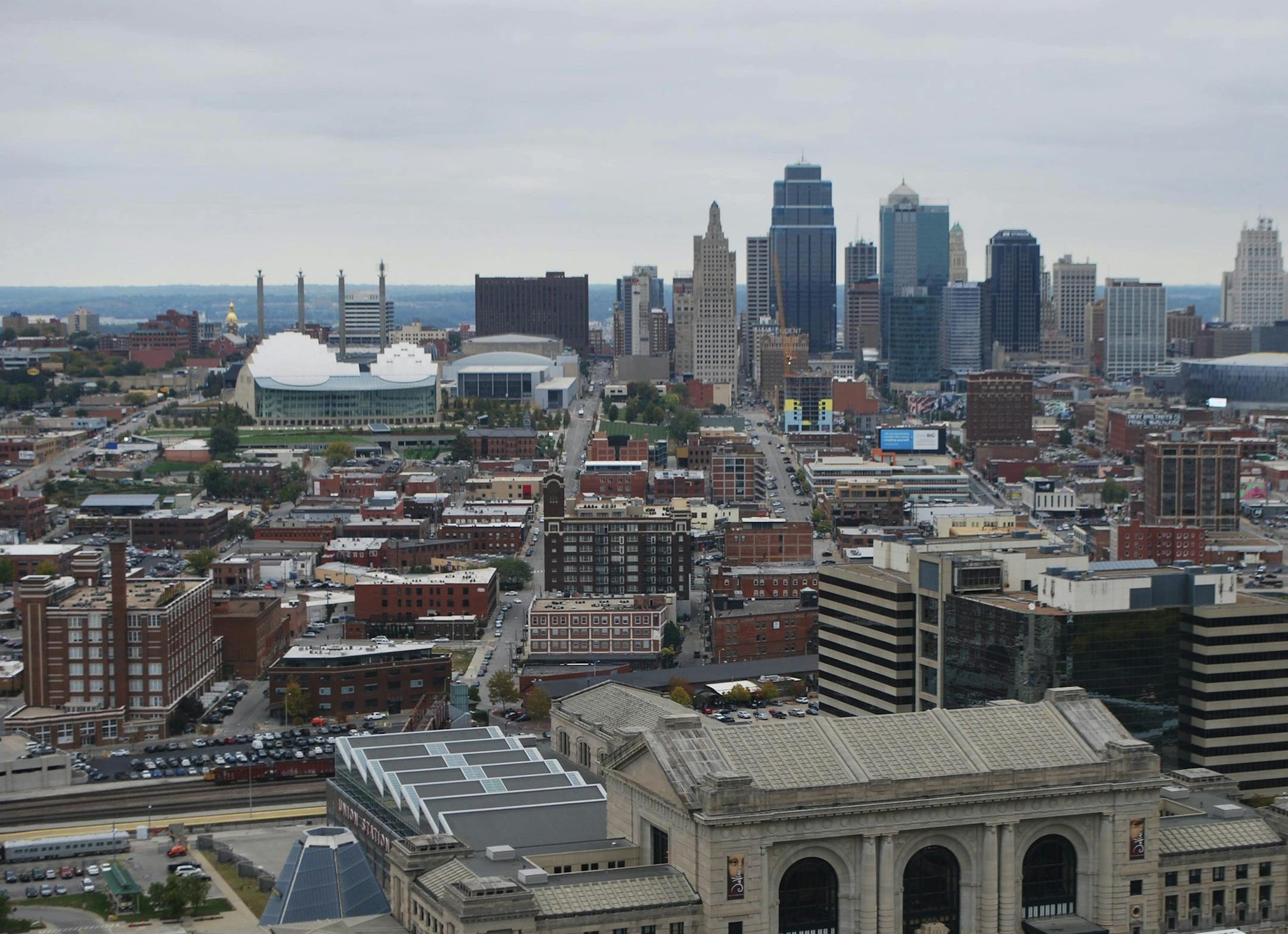
This is a belated apology to Kansas City: Sorry it took me so long. I get it now. My wife and I arrived in Kansas City, Mo., knowing little of its history or cultural attractions. We'd driven through it, mostly on our way to other destinations and stopping only to sample barbecue. So we were astonished — and a little embarrassed — to discover this clean, livable Missouri city as a treasure trove of great food, fine museums and musical and artistic delights. Here are just a few reasons why you should love Kansas City:
Because it's a down-to-earth, friendly town that offers the planet's best barbecue, a world-class art museum that is free, and you can park almost anywhere for little or nothing.
Because it's a city of surprising beauty, culture and history, where the unexpected seems ridiculously commonplace. Beautiful buildings and impressive monuments seem to leap out of the prairie and beckon visitors with alluring attractions.
Because its citizens actually believe in civility and welcome strangers with open arms. There's a strong sense of civic pride in this big Midwestern metropolis that beats with a small-town heart.
Because it's the home of the only World War I museum in the United States, with great exhibits, a wide display of weapons, uniforms, trenches and amazing historical facts.
Because it boasts more fountains than any world city but Rome. Fountains are ingrained in the city's identity and offer gurgling oases throughout the city. The more than 200 fountains feature statuary, waterfalls and color and light displays.
Because it is home to both the American Jazz Museum and the Negro Baseball Leagues Museum, which share space in the Lincoln Building in the historic 18th & Vine neighborhood, a center of black culture through the 1960s. That area, which produced jazz giants such as Count Basie and Charlie Parker, is home to many jazz clubs even today. The neighborhood also hosts the annual 18th & Vine Jazz & Blues Festival.
Memorable museums
The American Jazz Museum includes rare films of early jazz stars and exhibits on jazz giants, as well as historic recordings, posters, photos and interviews. A connected performance venue, the Blue Room, is named after a legendary jazz club of the 1930s and '40s that was across the street. The museum harks back to a time when jazz was king and Kansas City was one of its capitals.


