"The Deadliest Woman in the West."
That was the book my husband and I had paged through in the Tallgrass Prairie National Preserve visitor center gift shop prior to our hike.
We had been waiting out a rain shower (OK, a torrential rain event, perhaps) that had dogged us from our early-morning drive to the preserve, located in the heart of the Flint Hills region of Kansas.
To kill time while hoping for a break in the rain, we toured the visitor center's exhibit, highlighting the ecosystem of the prairie throughout the seasons. It included dioramas, bird call buttons, pelts and skulls. We shuffled around the gift shop and impatiently peered out windows focused toward the expansive prairie.
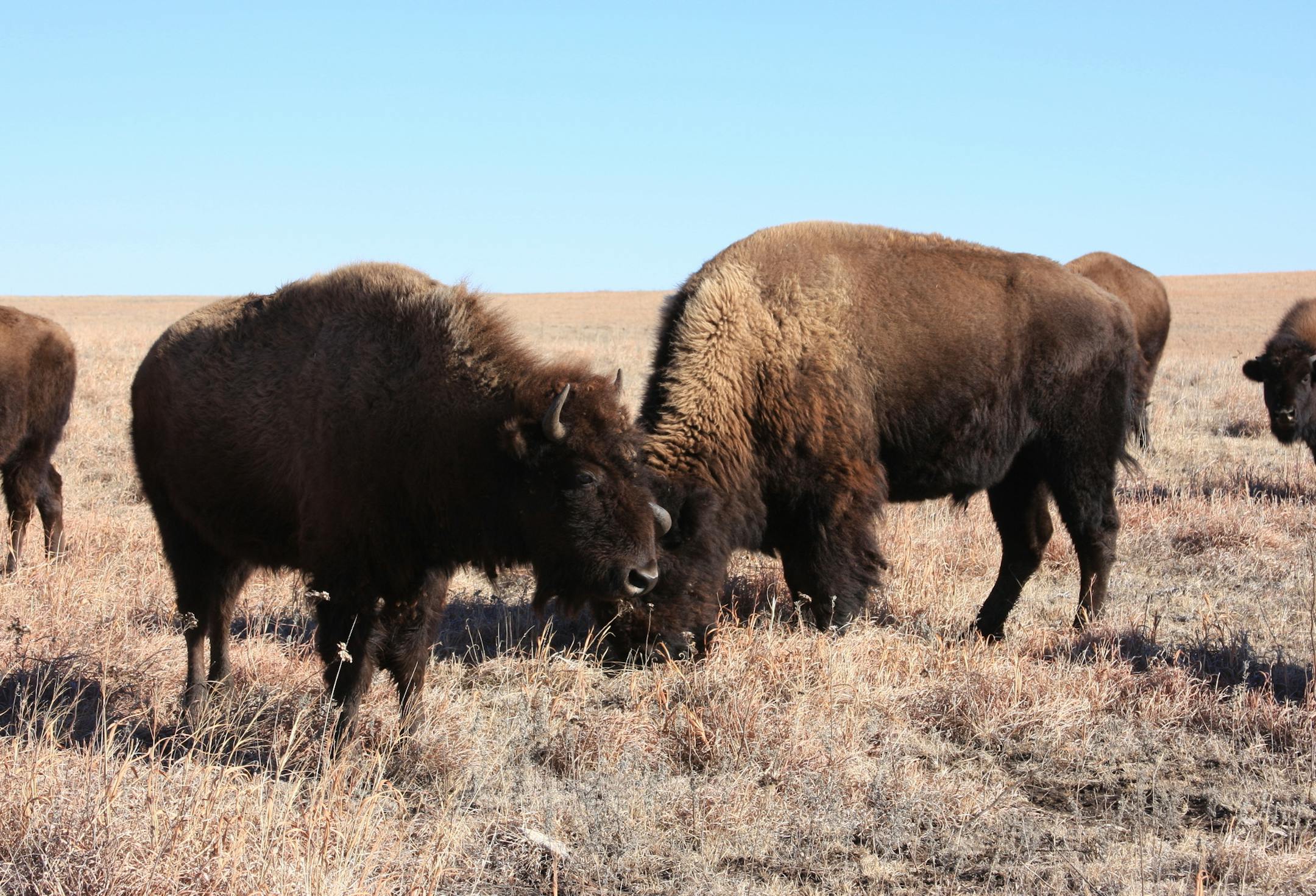
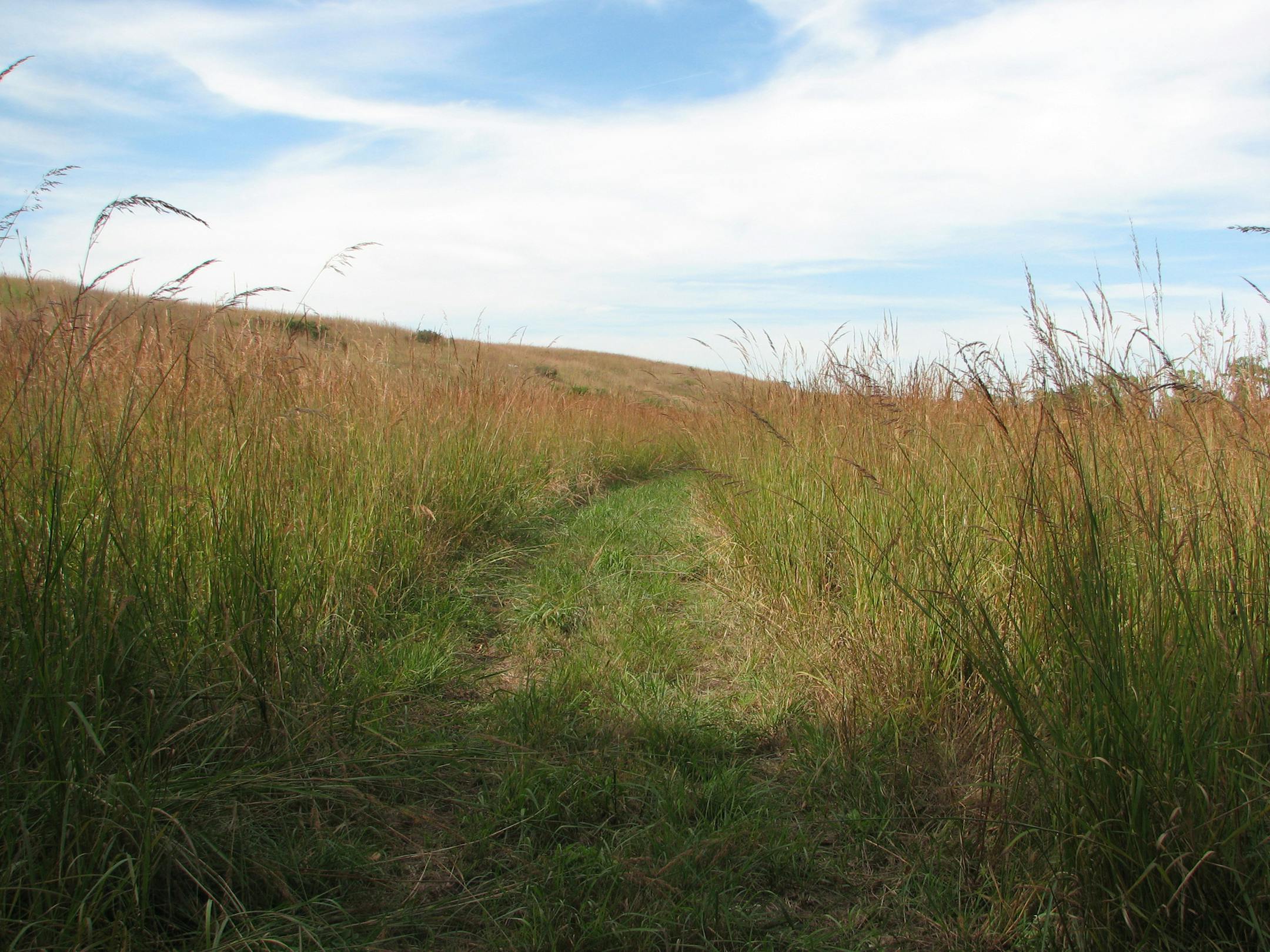
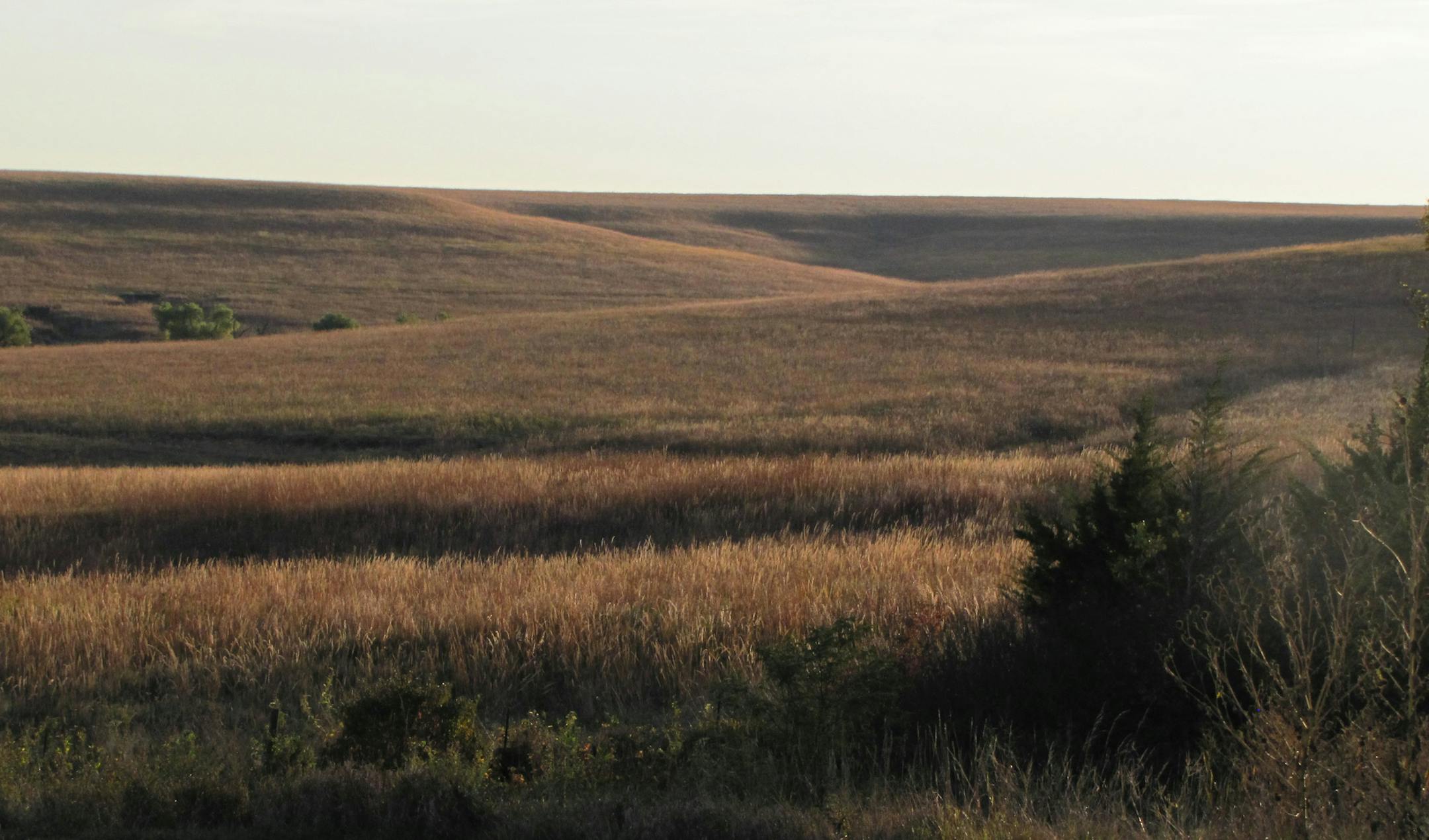
This year marks the 20th anniversary of the designation of the Tallgrass Prairie National Preserve, a nationally significant remnant consisting of 10,894 acres of wide open space, beautiful vistas, wildflowers, wildlife — and what I value the most, a space so capacious and a sky so vast, that a sense of peace, solitude and the ability to truly breathe permeates my being. In a word, it's Zen.
Tallgrass prairies once covered about 170 million acres of North America, according to the National Park Service. Within a generation, the vast majority was developed and plowed under (a nod to John Deere would be appropriate here). Indeed, almost 350 years ago (circa 1673), Louis Joliet said of his exploration, "At first, when we were told of treeless lands, I imagined that it was a country ravaged by fire, where the soil was so poor that it could produce nothing. But we have certainly observed the contrary; and no better soil can be found, either for corn, or for vines, or for any fruit whatsoever. ... A settler would not there spend ten years cutting down and burning the trees; on the very day of his arrival, he could put his plough into the ground."
At last, skies began to clear. We so wanted to see the bird with the silly name and the call to match, and walk among one of the last great patches of land set aside for the pleasure of those who choose to visit.
The ranger said to watch the skies, and wished us a happy hike.