

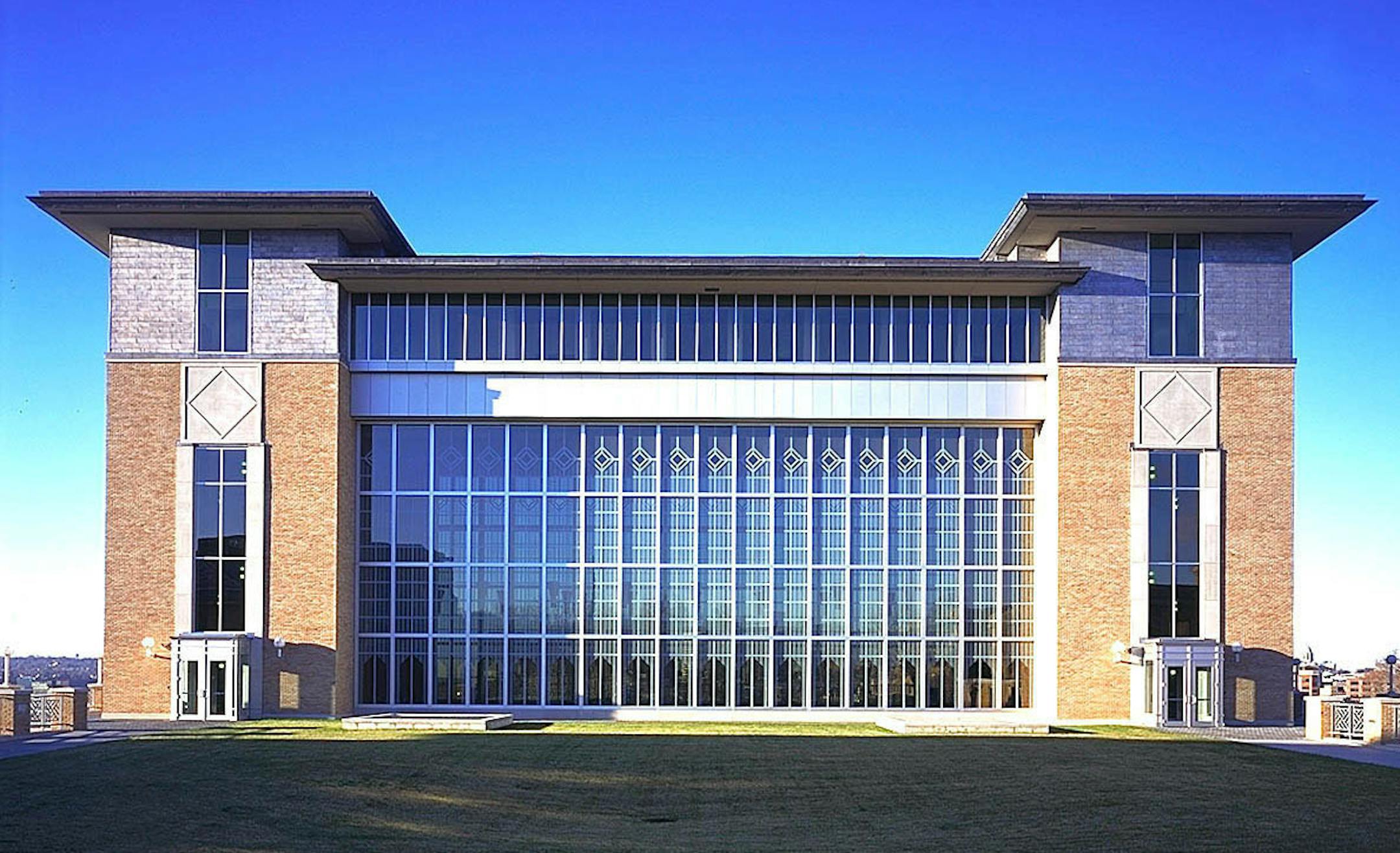
Sue Hammersmith retires next week after serving six years as the president of Metropolitan State University. During her term, Metro State experienced its most robust physical growth as well as enrollment and academic program growth. She leaves in place the most successful of Minnesota's state colleges and universities. Her legacy includes having initiated the next phase of campus expansion, thereby ensuring the continued incremental revitalization of the Dayton's Bluff area of St. Paul's East Side.
And she leaves a huge legacy question: Where does Metro U go from here?
My perspective is as one of Metro's earliest graduates. I am graduate No. 81, from the second graduating class, April 14, 1974 — 40 years and almost 40,000 graduates ago.
Metro was Minnesota's first — and among America's first — nontraditional colleges. Its future can be as remarkable as its history if the right successor president is chosen.
Fact is, Metro's success has hidden a gradual drift away from the principles of its forefathers and founders — Metro's first president, David E. Sweet, and former state universities Chancellor G. Theodore Mitau.
In the original plan, there was to be no campus, no administration building or teaching buildings — just total immersion in the community and its resources. The concept was to create the quintessential urban university using whatever the community had to offer for space, for faculty, for human energy and for commitment to education, and with a student population that truly reflected the urban demographics and needs of the communities the university serves.
Sweet and Mitau were rule-breakers. They convinced the Legislature in 1971 to provide nontraditional education for those over age 20. Initially, and for the first 10 years or so, there were no classes, no campus, no grades, no library and no tenured faculty. Instead, students and advisers fashioned "contracts" that included educational goals and assessment criteria. The environment was an extraordinary mixture of excitement, mystery, chaos and stunning individual educational achievement at and in the urban center of the community. I have a 24-page narrative transcript rather than grades.
Metro does retain much of its nontraditional authenticity. Some current examples:


