
Metro area suburbs suit these cougars

October 13, 2009 at 3:43AM
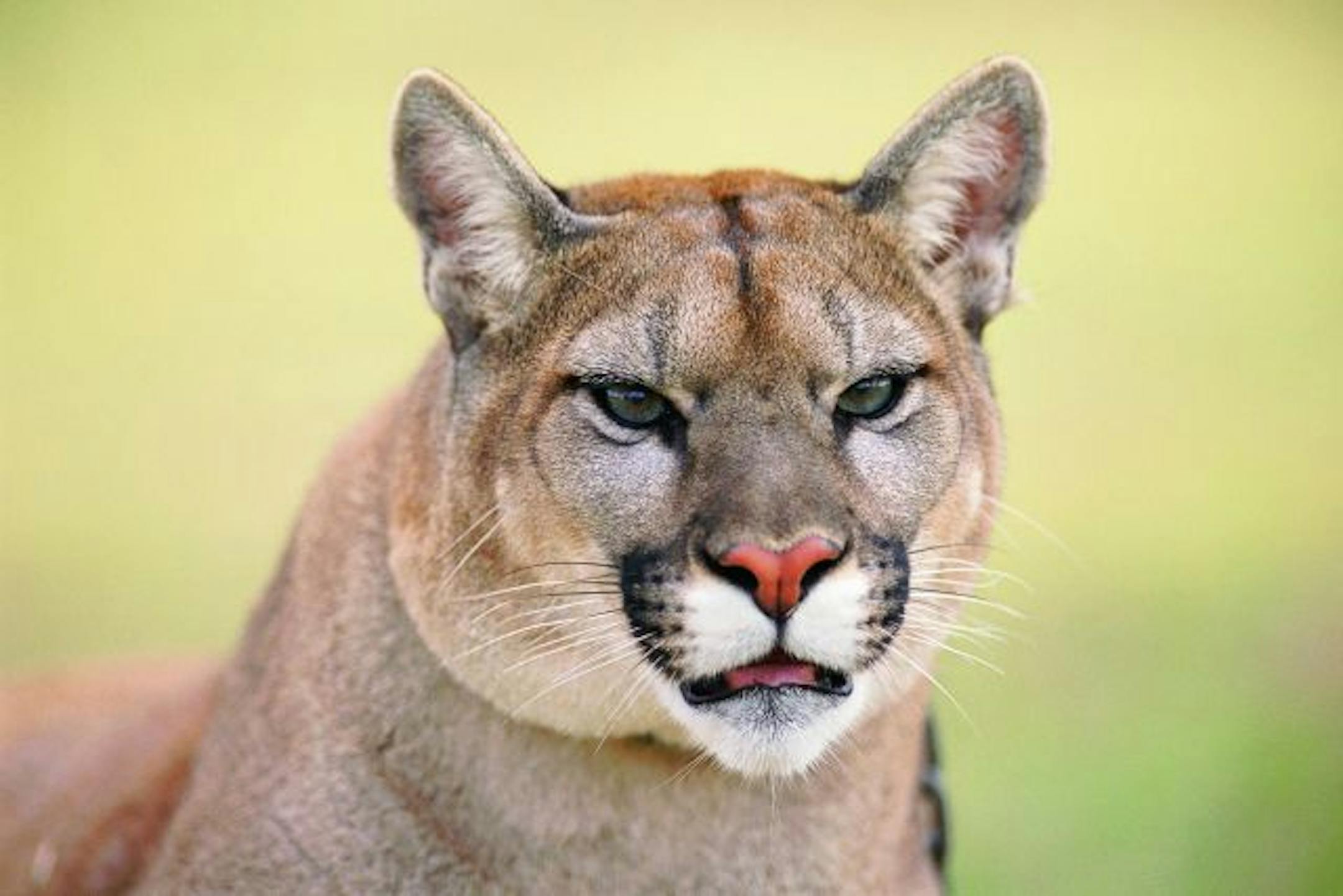
Cougar
Cougar (Star Tribune/The Minnesota Star Tribune)

Cougar town, indeed.

Even as the television series was making its debut, the Twin Cities area over the past month has had at least two separate reports of cougar, or cougar-like, presence:

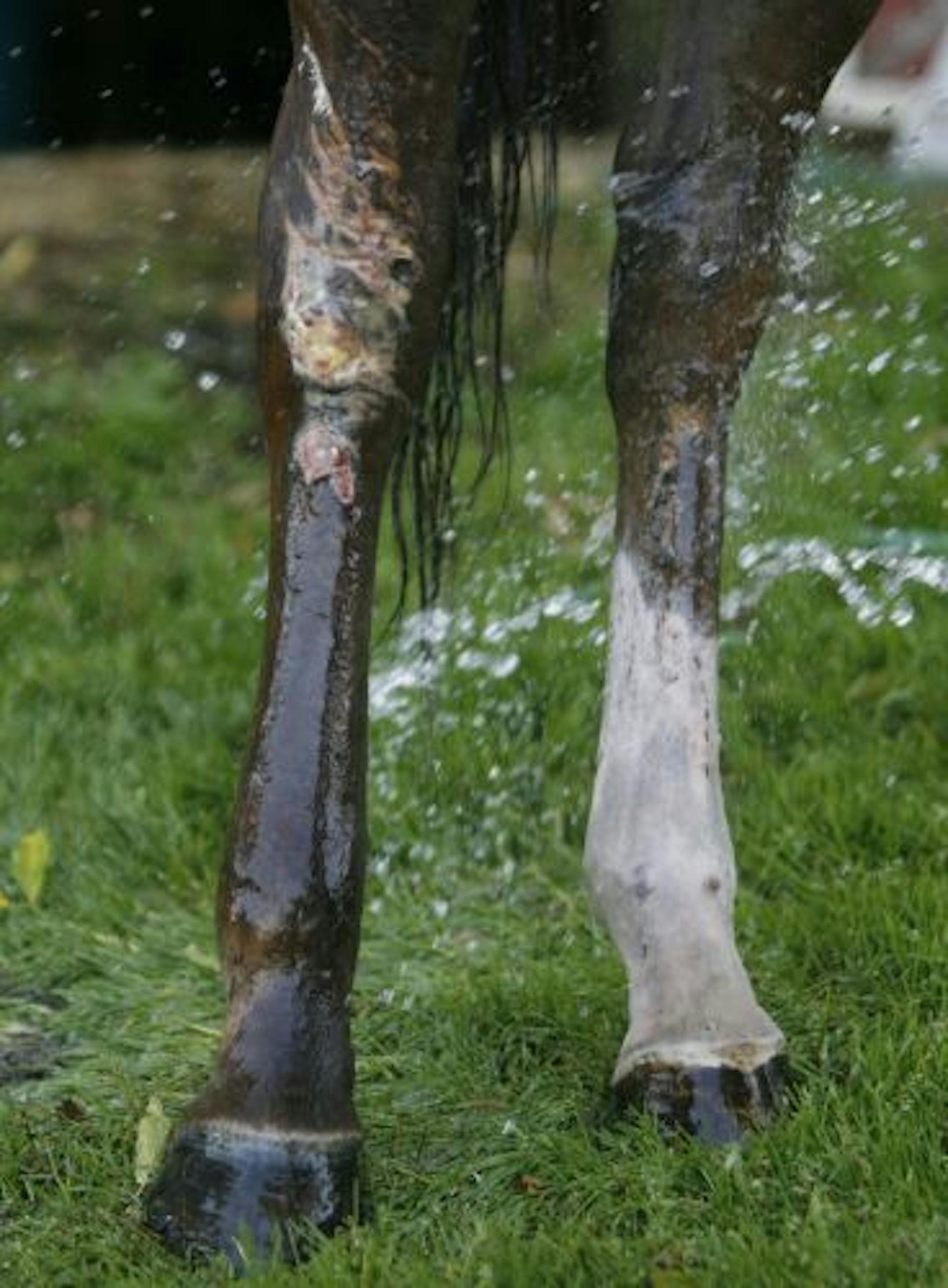
• In mid-September, based on scratch marks, a veterinarian endorsed a Prior Lake woman's belief that a cougar may have attacked her horse.

• Last week, police in Eagan issued a formal warning of a cougar's presence, based on droppings and on sightings by local residents.

And these in turn follow the decision of the Minnesota Department of Natural Resources this year to post on its website a guide to how to deal with cougar encounters, after an uptick in sightings across the state.

It's a trend much wider than Minnesota, according to the Cougar Fund, a group devoted to understanding and defending the animal. "Increased sightings in the Midwest, including Nebraska, Indiana, Michigan, Wisconsin and Kansas, are leading to valuable scientific research on the possible viability of cougar populations in these states," the group reports on its website.

So what do they look like, how dangerous are they, and what should you do if you see one? Here's a quick field guide to the suburban cougar -- the four-legged type.

IDENTIFICATION

Cougars look like tan-orange house cats, but are bigger than large dogs, the DNR says. They have long rope-like tails, and are 6 to 9 feet long, including those tails.
WHY HERE?

Cougars love fresh venison, and the metro area is teeming with deer, so much so that cities and counties are constantly announcing deer hunts in area parks. That's not to say, though, that there is truly a population of cougars of any real size. They prefer large tracts of rugged wilderness.

THE DANGER?

"There's no certainty in the wild," one of the nation's top cougar experts, Rick Hopkins, said by cell phone from the Bay Area of California, where he has radio-collared the animals and tracked their movements. "But what I do know is that attacks by large predators, be it wolves or others, are extremely rare. I'm at an ice rink now for my daughter's figure-skating lesson, and trust me: Her double jumps, without a helmet, put her at much greater risk of some injury, and serious injury, than when we go out hiking. My house backs up against a national forest with [mountain] lions and bears, and I don't worry about her walking the dogs through the meadow."

IF YOU SEE ONE:

• Stay calm and back away slowly. Do not turn your back, run or bend over.

• Avoid looking like prey. Try to make yourself appear as big as possible, make eye contact, open your jacket, raise your arms.

• If a cougar is aggressive, throw rocks and sticks and yell as loud as you can. Always fight back and do not play dead.

TO LEARN MORE:

• A Star Tribune article from February, "Is Minnesota becoming cougar country?" can be found at startribune.com. Type the words "cougar country" into the search box.

• The new DNR fact sheet is online at tinyurl.com/yg5ytos.

• The Cougar Fund has a wealth of information at www.cougarfund.org.

DAVID PETERSON

A Prior Lake horse was attacked last month by what is believed to be a cougar.
A Prior Lake horse was attacked last month by what is believed to be a cougar. (Star Tribune/The Minnesota Star Tribune)
about the writer

about the writer