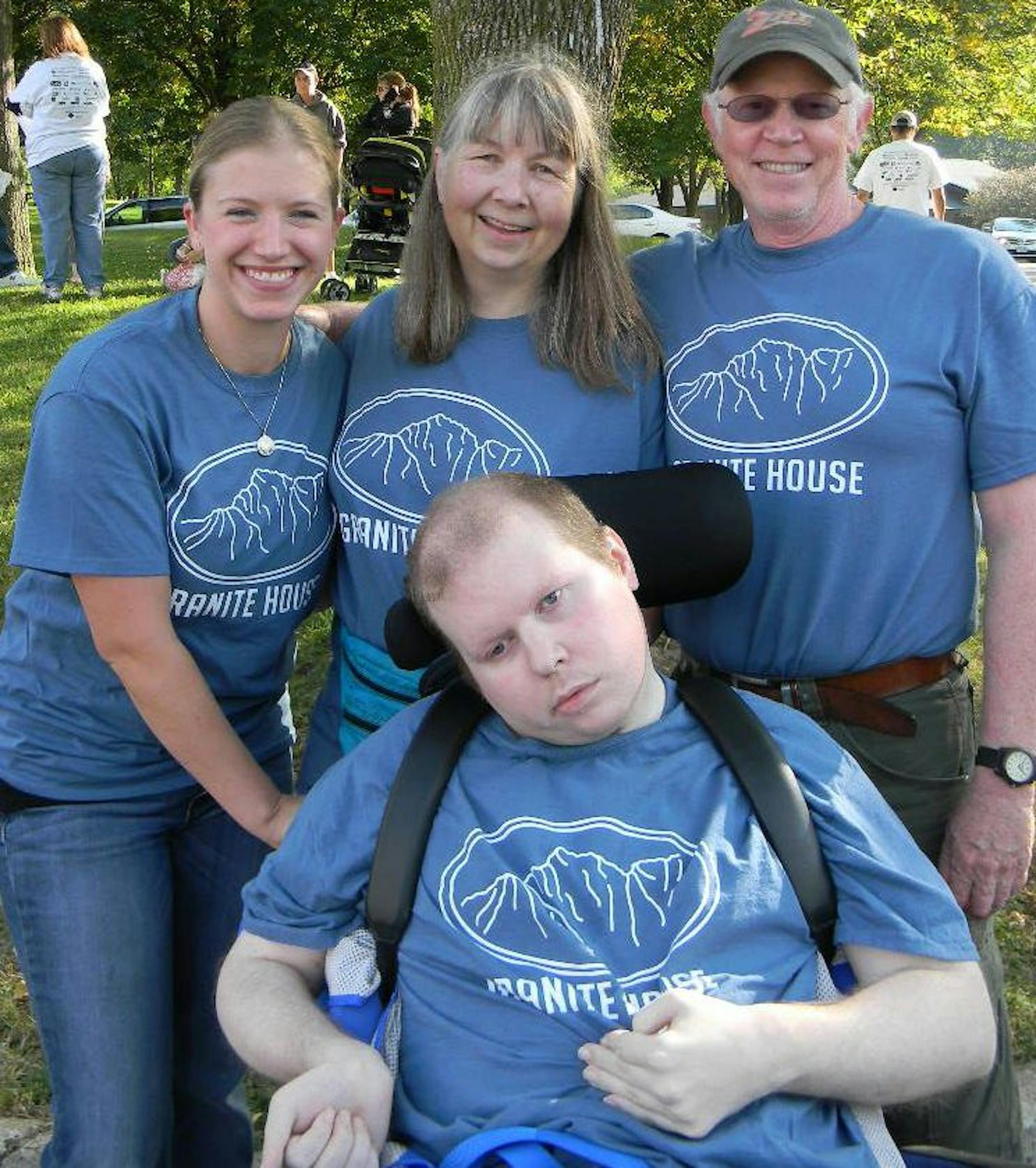
![Carol and Tom Insley are building Granite House, a residence for young people living with severe and permanent brain injuries. The posed for a photo at the construction site on November 3, 2017, in Stillwater, Minn. The couple was inspired to make this home after a family tragedy that took the life of one son and left their other son with a brain injury that requires him to have constant care. ] RENEE JONES SCHNEIDER • renee.jones@startribune.com](https://arc.stimg.co/startribunemedia/M2ZRJQIFDLAWRJACZTVEVUIVK4.jpg?&w=1080)
Carol and Tom Insley are building a new house on a picturesque four-acre wooded lot where they can see the St. Croix River bluffs. When the five-bedroom home is finished, a fireplace will warm the great room and a screen porch will overlook the gardens.
But the Insleys will never live there.
Instead, it will become a small group home for young people living with severe brain injuries.
When it opens in spring, the first resident of Granite House will be their 31-year-old son Aaron, who was injured in a car accident in 2007 and has never regained full consciousness. Their other son, Richard, was killed when the brothers' car hit a tree less than a mile from their home.
Today there are more young people who have survived traumatic brain injuries due to advances in medical care, said Carol. "We can preserve the body," she said. "But we can't repair the brain."
Families of young adults with traumatic brain injuries don't have many housing care options beyond nursing homes — which are mostly geared for aging seniors — long-term care facilities or at-home care, which is a challenge for many parents. Those facilities also lack the individualized services that minimally conscious adults like Aaron can benefit from, said Carol.
"People with brain injuries can respond to sensory stimulation," she said. "Aaron smiles, laughs and squeezes your hand."
In 2014, the Insleys, with Anna Bohnen, a registered nurse who previously provided home care for Aaron, formed a nonprofit organization to build Granite House, "a place for families to gather and heal," said Carol.