

A final report on protecting water supplies in the northeast metro area confirms a price tag that could exceed $600 million. But it also cautions that lots of unknowns remain.
"This evaluation of alternatives stops short of identifying the best way forward," the Metropolitan Council said in a study released Monday, adding: "The best option for moving forward may be a hybrid of the examples considered in this study, and could involve approaches that were not considered in this study."
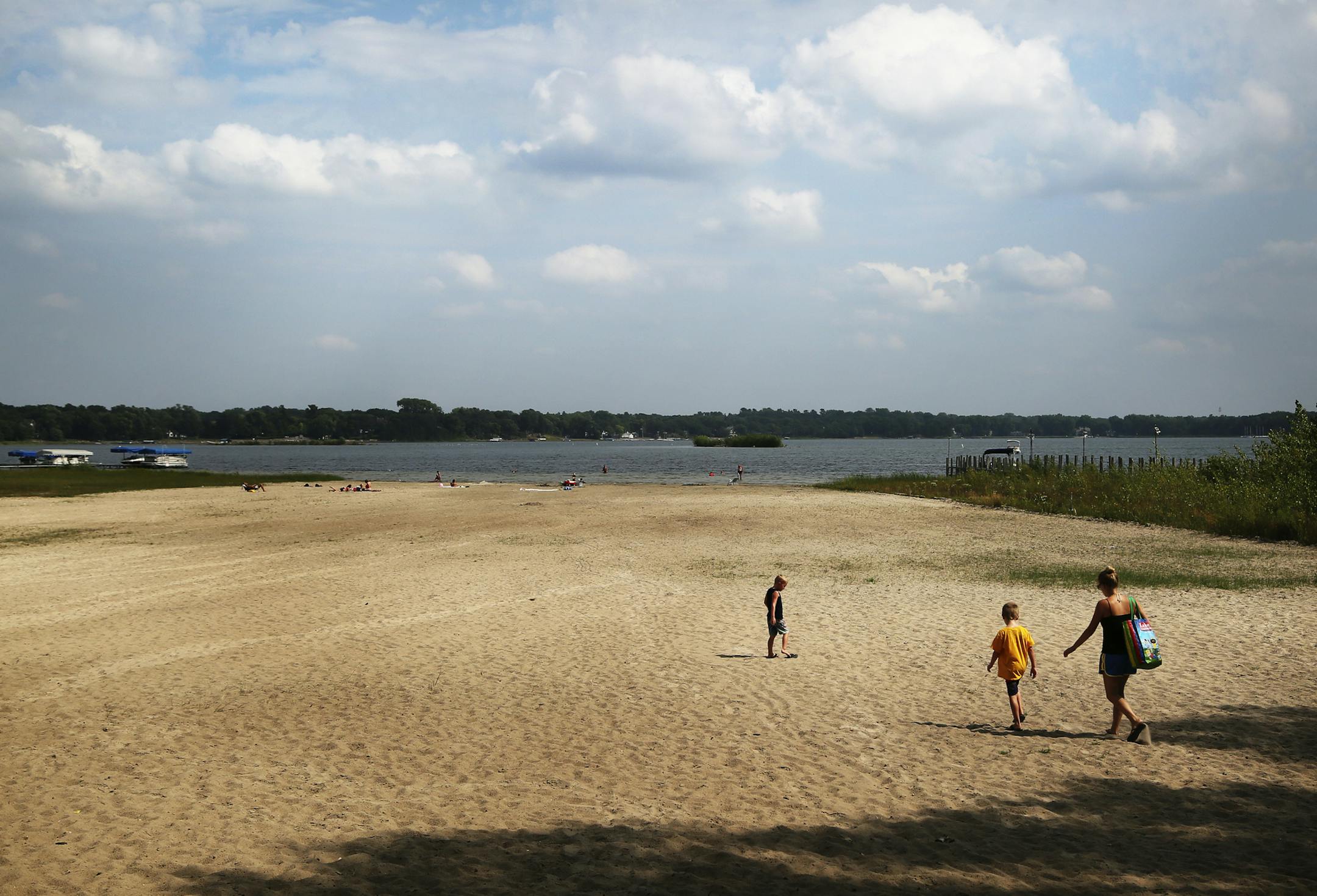
The study is just one in a sequence, from multiple sources, examining ways to deal with water problems in the area. The poster child is lake levels on White Bear Lake, which has lost a quarter of its contents in a decade.
Results aren't expected back on some key issues until 2016. But each advance in knowledge counts, said Barb Naramore, assistant commissioner of the Minnesota Department of Natural Resources (DNR).
"There are important ongoing studies, and additional insights to be gained" in how to manage water flows, she said. "We need to further refine and sharpen things."
A draft report in July had evaluated three basic approaches to address the problem, with costs ranging widely depending on factors such as the number of communities drawn into a solution.
Those solutions involved various ways of making use of water from the Mississippi River.
The final report also considers the option of relying on groundwater. But it hastens to note that "communities in the northeast metro could pursue less expensive approaches, which could include conservation or stormwater reuse to reduce groundwater pumping, before making large-scale investments in alternative infrastructure solutions.


