

The gaps in economic progress between whites and minorities in the Twin Cities are partly explained by factors other than racial bias, such as the youth of communities of color, a major new research study suggests.
Even after accounting for those differences, many disparities in employment, income and homeownership persist — especially between white and black residents — the Metropolitan Council study concluded.
The research, to be unveiled Tuesday by Gov. Mark Dayton, was prompted by questions from members of the Met Council: Why does a metro area as progressive as the Twin Cities wind up with some of the nation's starkest racial and ethnic disparities?
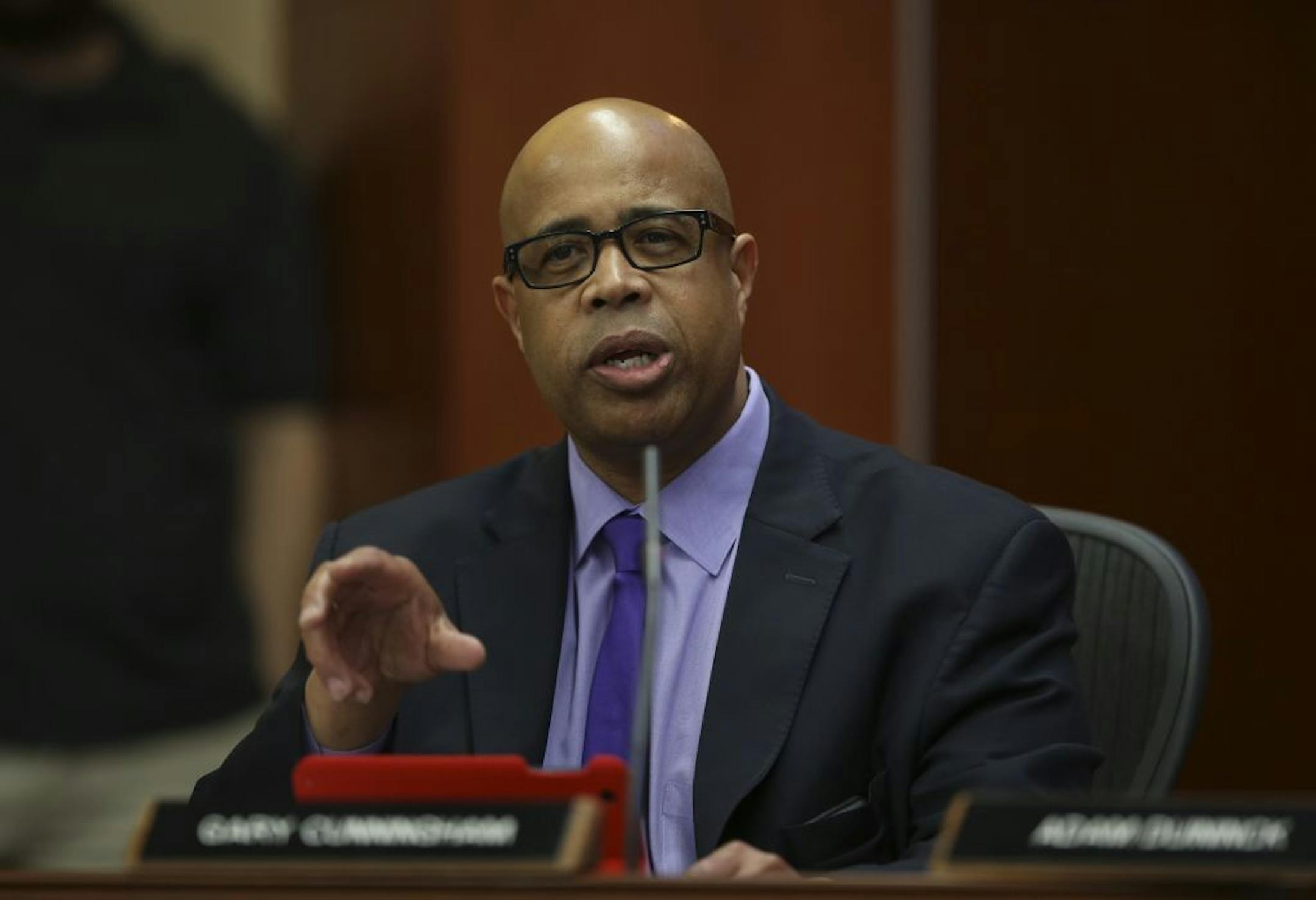
"If you equalize on issues like education, or age, if you hold those constant, can you determine what is actually causing the differences in outcome?" asked Gary Cunningham, an African-American who has long pursued issues of racial justice and now leads a key Met Council committee.
The research is relevant for the Met Council as it seeks to make racial equity a major focus of its planning efforts in the Twin Cities, in housing, parks and other areas. Dayton, who appoints Met Council members, has offered up a $100 million plan to tackle racial disparities.
Last year, data from the U.S. Census Bureau showed that median income for black households in Minnesota fell 14 percent in a single year, deepening the divide among ethnic groups.
The new study, which shows blacks with a much more stubborn set of gaps than Asians or Hispanics, already is drawing criticism.
Bruce Corrie of Concordia University, a native of India who has long been a leading voice on immigration, said the quest comes off as a theoretical exercise, not fully tethered to reality: an effort to "prove how many angels are dancing on the head of a pin."


