

Patty Thorsen just wants to get to movies and meetings on time with little fuss.
The St. Paul resident, who uses a wheelchair because she has cerebral palsy and osteoarthritis, often books rides with Metro Mobility, the metro area's transit service for people with disabilities. But riding the bus with others can be time-consuming and circuitous — so Thorsen sometimes uses a taxi service subsidized by the Metropolitan Council.
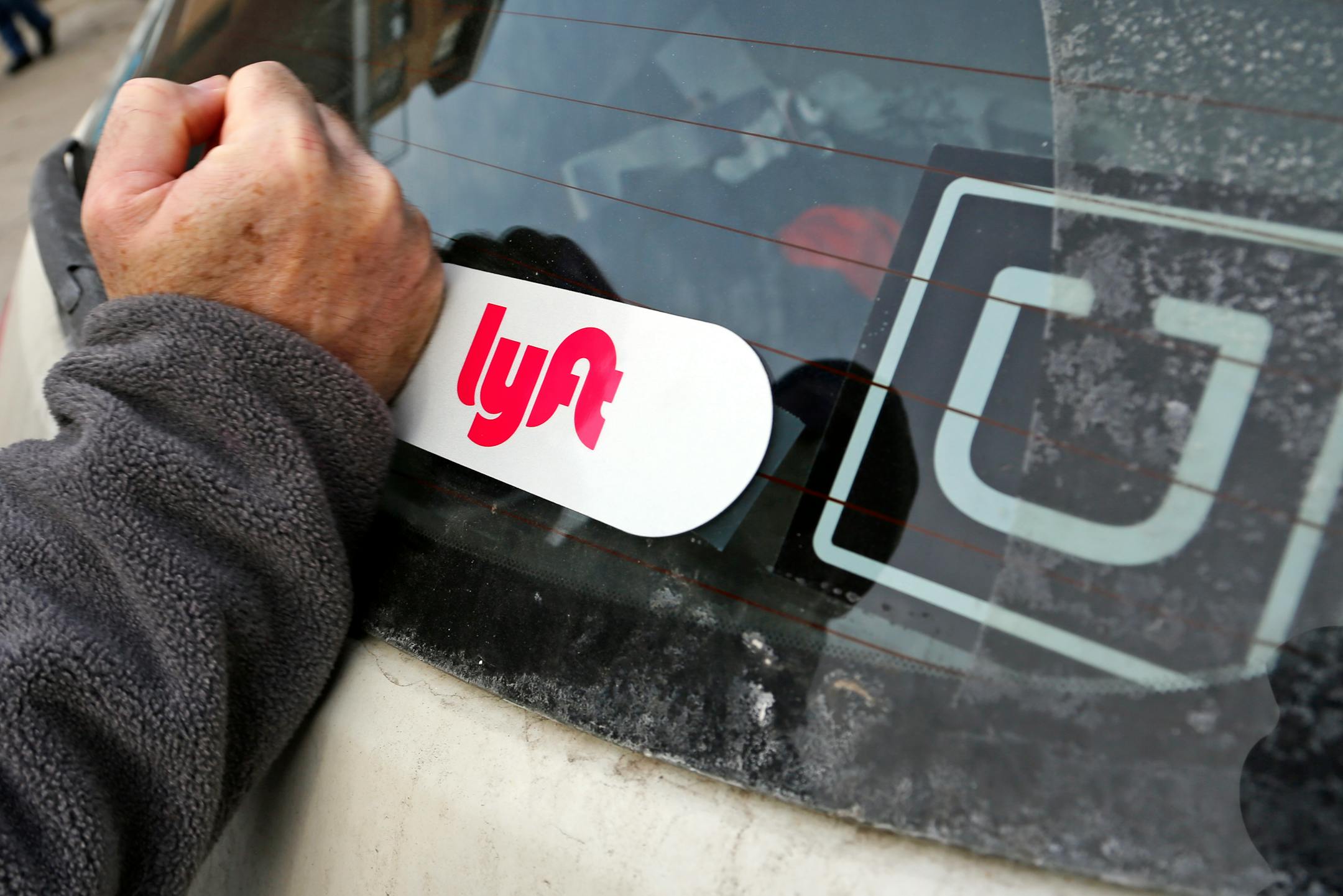
Now, the regional planning body may consider adding a 21st century transportation option — ride-sharing services such as Uber and Lyft — to augment its existing mix of "paratransit" choices for some 40,000 Twin Citians who are unable to use traditional buses or light rail.
Other transit providers across the country, including in Boston, Kansas City and the St. Petersburg, Fla., area, are experimenting with programs involving ride-sharing firms, too. The idea is to provide efficient and cost-effective service as baby boomers age and demand surges.
Transit agencies "need to think outside of the bus," said Robbie Makinen, president and CEO of the Kansas City Area Transportation Authority, which rolled out a ride-sharing pilot program last year.
But not everyone is a fan of using Uber and Lyft to supplement Metro Mobility. Met Council Member Edward Reynoso said he has "grave concerns" about the way ride-sharing firms check drivers' backgrounds, and he questions whether they have sufficient insurance.
"There's no way we should put any of our customers in a vulnerable position," he said.
Burgeoning budget
With an annual budget of $73 million, costs for Metro Mobility have increasingly usurped the Met Council's state funding for metro-area transit service. The gap is one of the reasons the council is anticipating about a $100 million budget deficit in 2020-2021.


