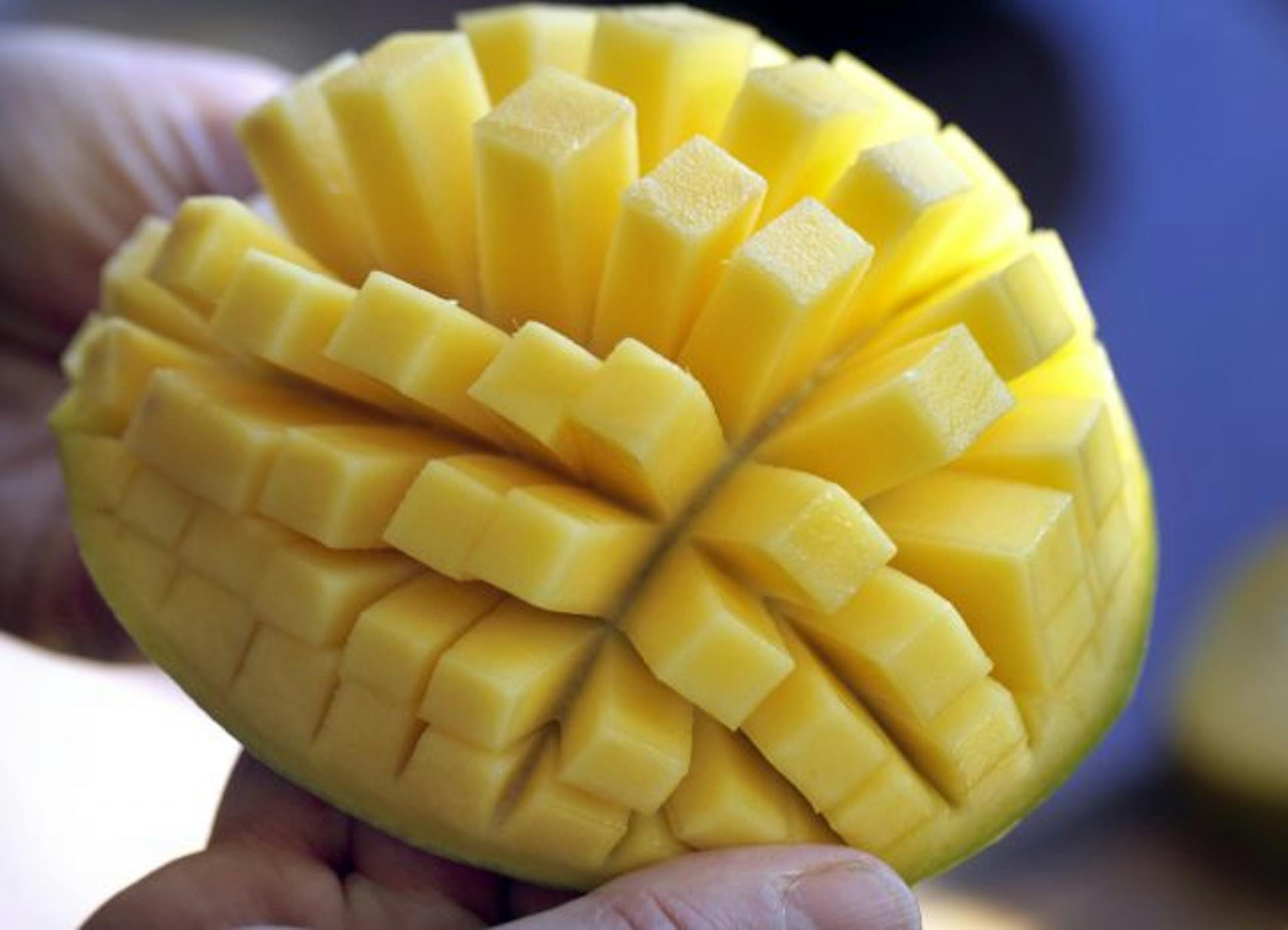
The bulk of winter is behind us, but March -- historically a snowy month -- still looms. If ever we needed a taste of the tropics, it's now.
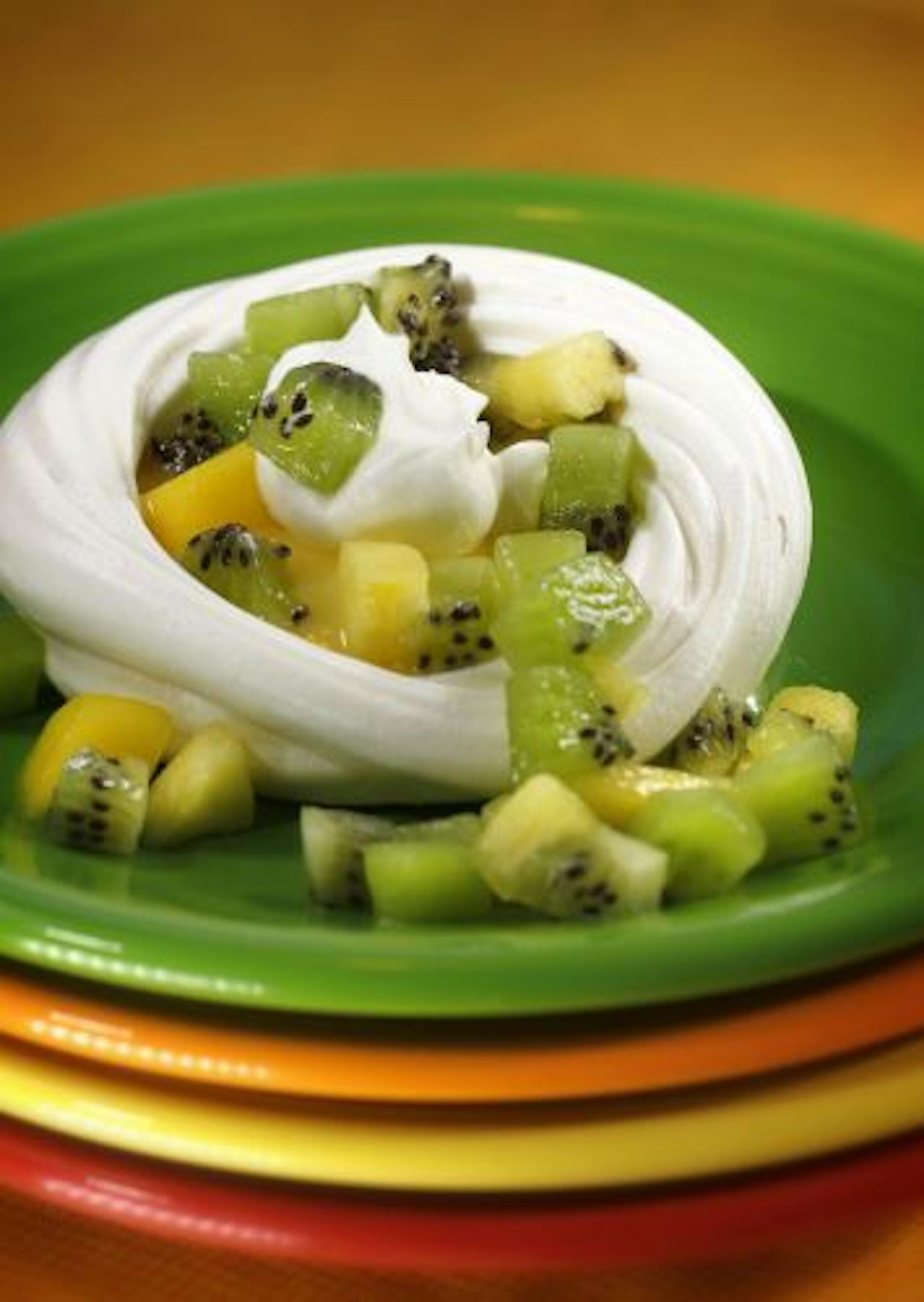
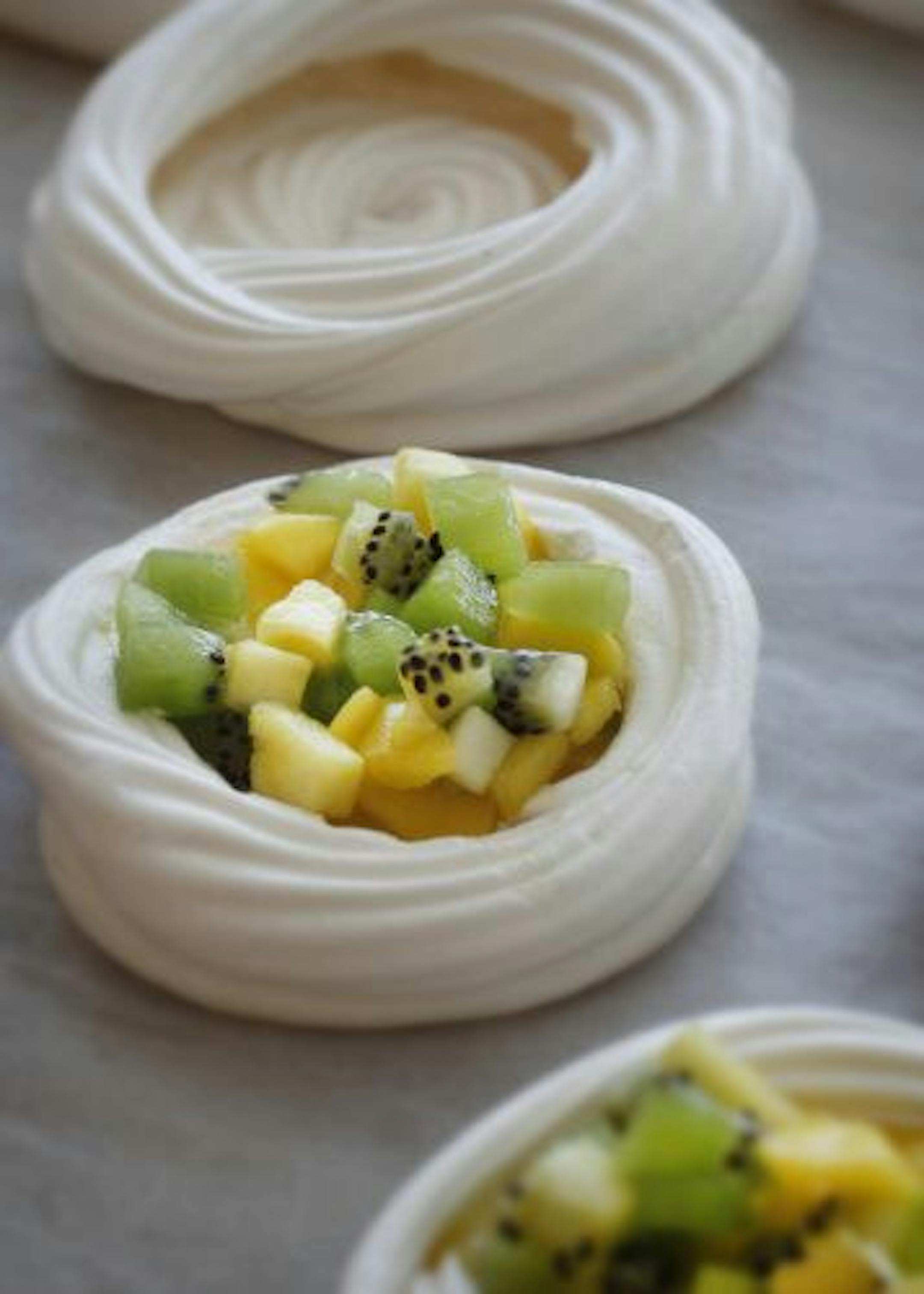
Meringues filled with equatorial fruit can do the trick. Serving individual portions makes this dessert feel even more exotic. Don't think of it as a little snowdrift, but as a sun-dappled cumulus cloud come to rest on your plate.
A meringue -- also called pavlova, after Russian ballerina Anna Pavlova -- makes a great dessert for spring, as well. The play of crisp meringue, creamy filling and fresh fruit can bring an Easter meal or a Mother's Day brunch to a delightful close.
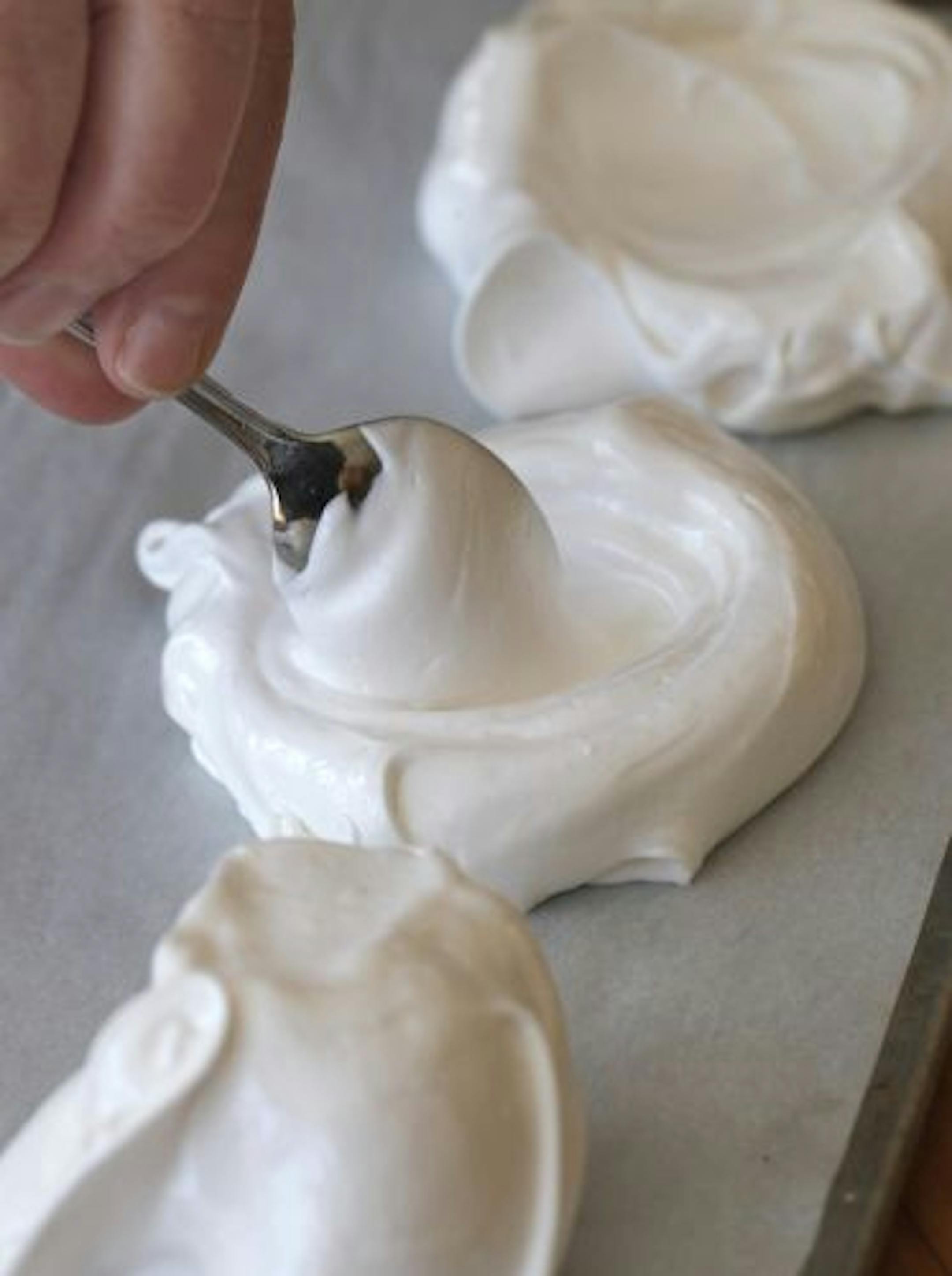
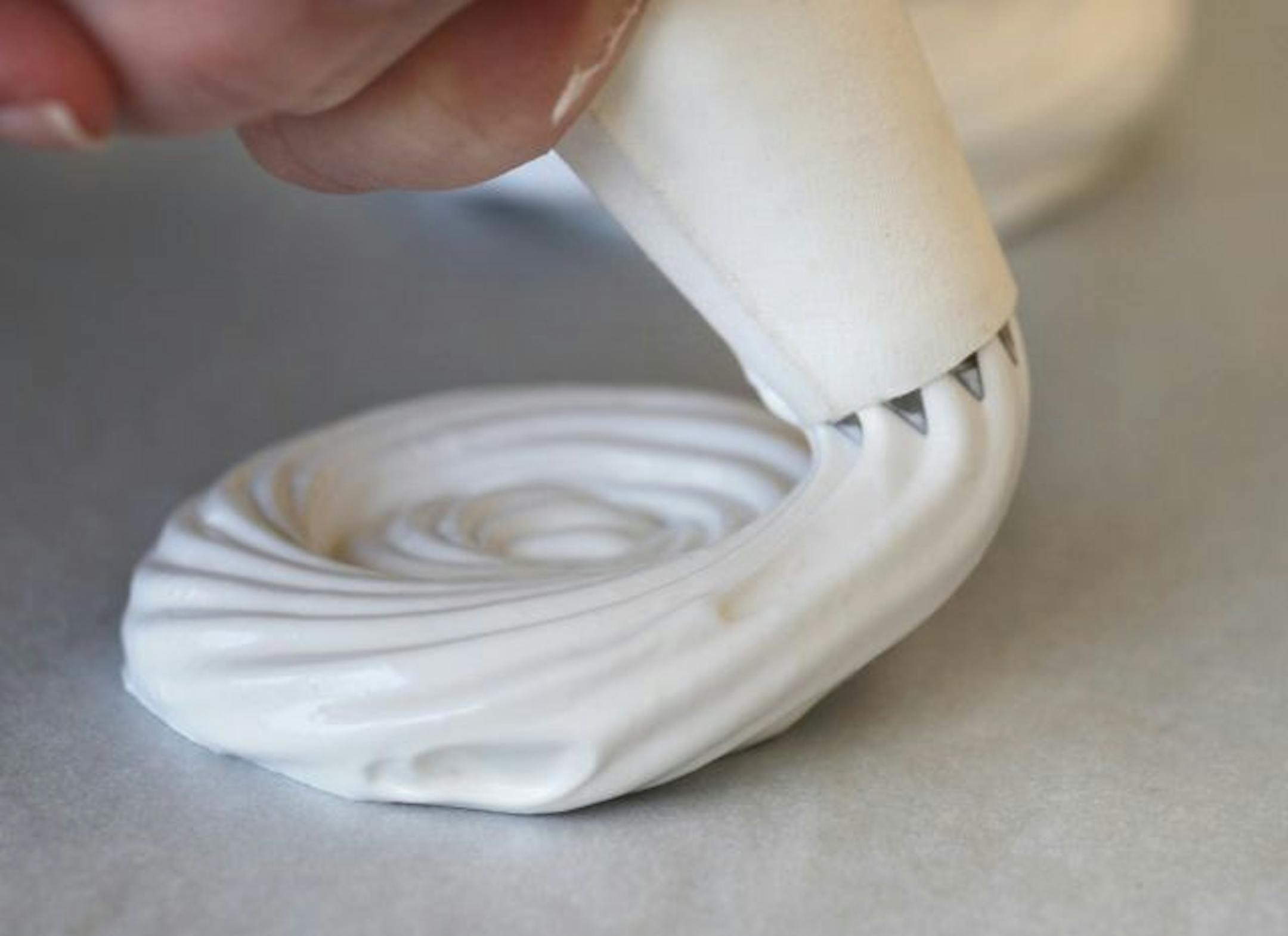
Meringues come together quickly, but require some forethought because the delicate shell of sugar and egg whites needs to cool slowly in the oven for several hours. That can work in your favor, enabling you to prepare them ahead of time.
Two concepts to keep in mind are spotlessness and patience. Even a smidgen of oily film in a bowl or on beaters, or a bit of egg yolk, will keep the whites from whipping to their greatest volume, so make sure that all surfaces are clean and dry.
It's also smart to separate whites and yolks into small bowls, then pour each white into the mixing bowl before cracking the next egg. This way, you'll avoid ruining the whole batch in case one yolk breaks while separating. (You can bet it will be the last egg.)
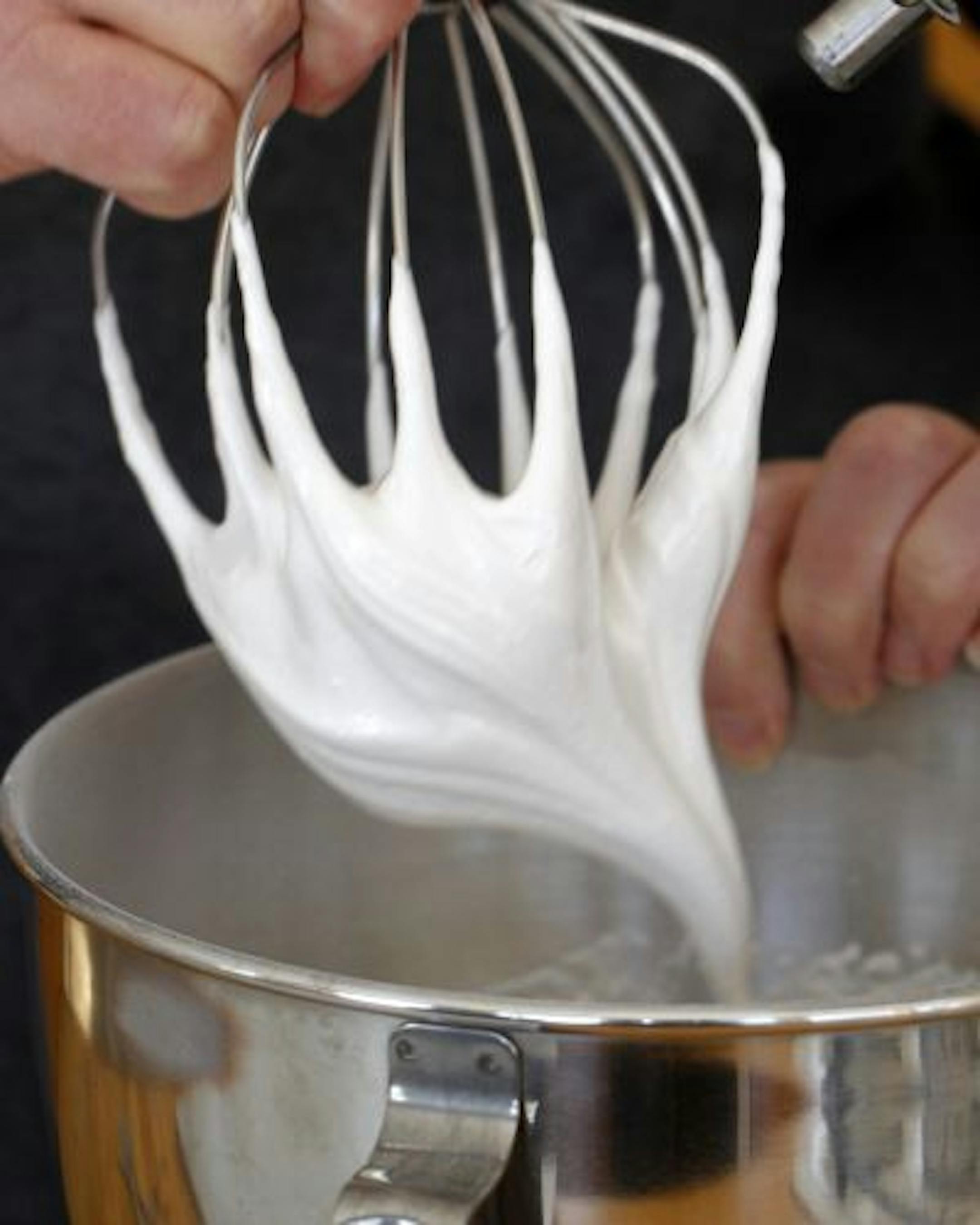
Once you've separated the whites from the yolks, beat the whites on low speed, with a bit of cream of tartar to help stabilize them, until the beater begins to leave soft tracks, like skis in fresh powder. Adding the sugar is an exercise in patience, sprinkling it over the whites a tablespoon at a time. Added too quickly, the sugar can simply melt into goop at the bottom of your mixing bowl.
Nor should you add the sugar too slowly. (You saw that coming, right?) If the whites are fully whipped before all the sugar is added, they can become dry and lumpy, instead of smooth and glossy.