

 4:06
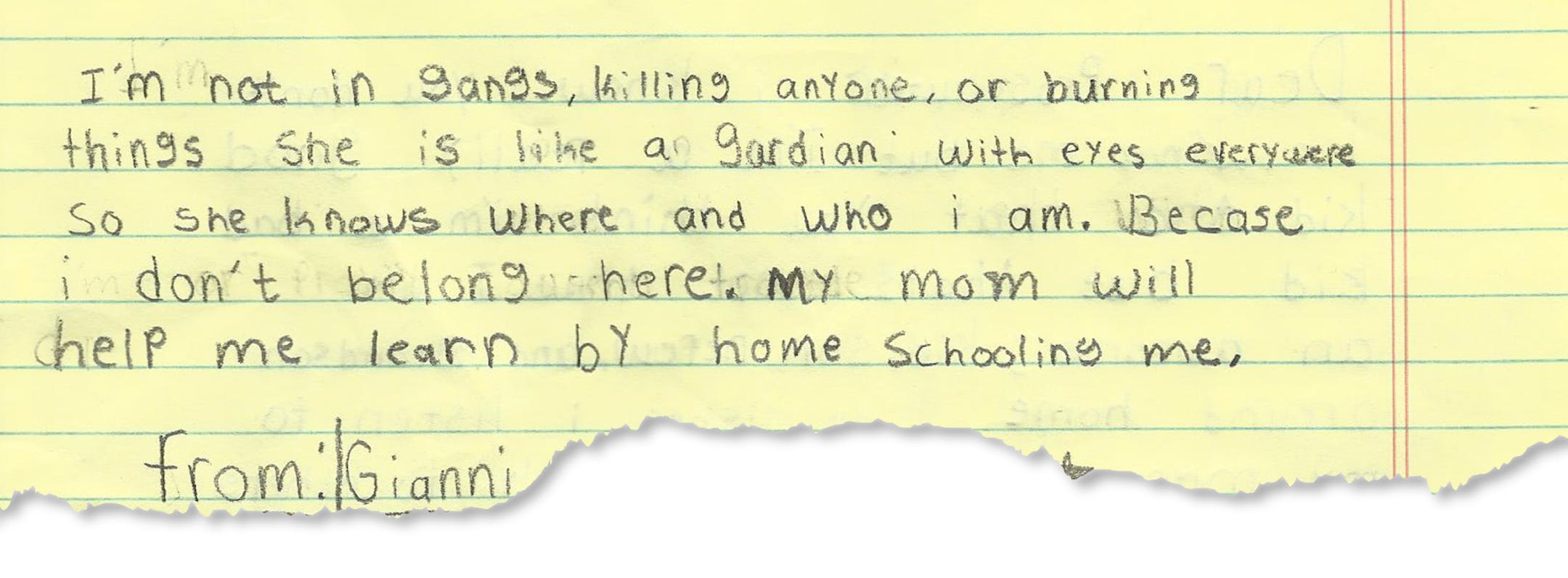
4:06The cigarette lighter sat on the family computer when Gianni awoke.
He said that a voice in his head, the one he sometimes calls Mr. Angry, told him to bring it to school — and threatened to punish him if he didn't.
Hours later, after getting angry with his teacher, Gianni set fire to a bulletin board outside a special education classroom. The blaze was quickly doused with water bottles, but school officials had him arrested. He was charged with arson.
Gianni, who has been seeing a psychologist since the age of 3, spent the next 37 days in juvenile detention, five times longer than the typical adolescent accused of a crime in Ramsey County.
"I knew setting a fire was bad, but I didn't belong in there," said Gianni, who turned 15 while incarcerated. "Sometimes, my brain thinks of horrible things I don't want to do."
Gianni is one of thousands of students afflicted with serious mental health problems who are flooding into Minnesota schools because they have nowhere else to go.
Their complex needs are bringing huge and at times dangerous challenges to special education classrooms that are already struggling to handle increasing numbers of students with other handicaps, including multiple disabilities.
In an era of tight budgets, Minnesota has retreated from more intensive adolescent mental health treatment options, at times leaving schools as a setting of last resort for students with problems ranging from schizophrenia to bipolar disorder. And even as special education teachers and specialists try to help, many are now working forever on edge — fearful that recurring outbursts by deeply troubled students could injure them or other children.
![Gianni Griffin-Davis did an imaginary play where he "changed souls" outside his house after school on Wednesday, June 12, 2013. ] (RENEE JONES SCHNEIDER * reneejones@startribune.com)](https://arc.stimg.co/startribunemedia/UO6T6KRG6W3ST5DNT4WNUXZ6PM.jpg?&w=1080)
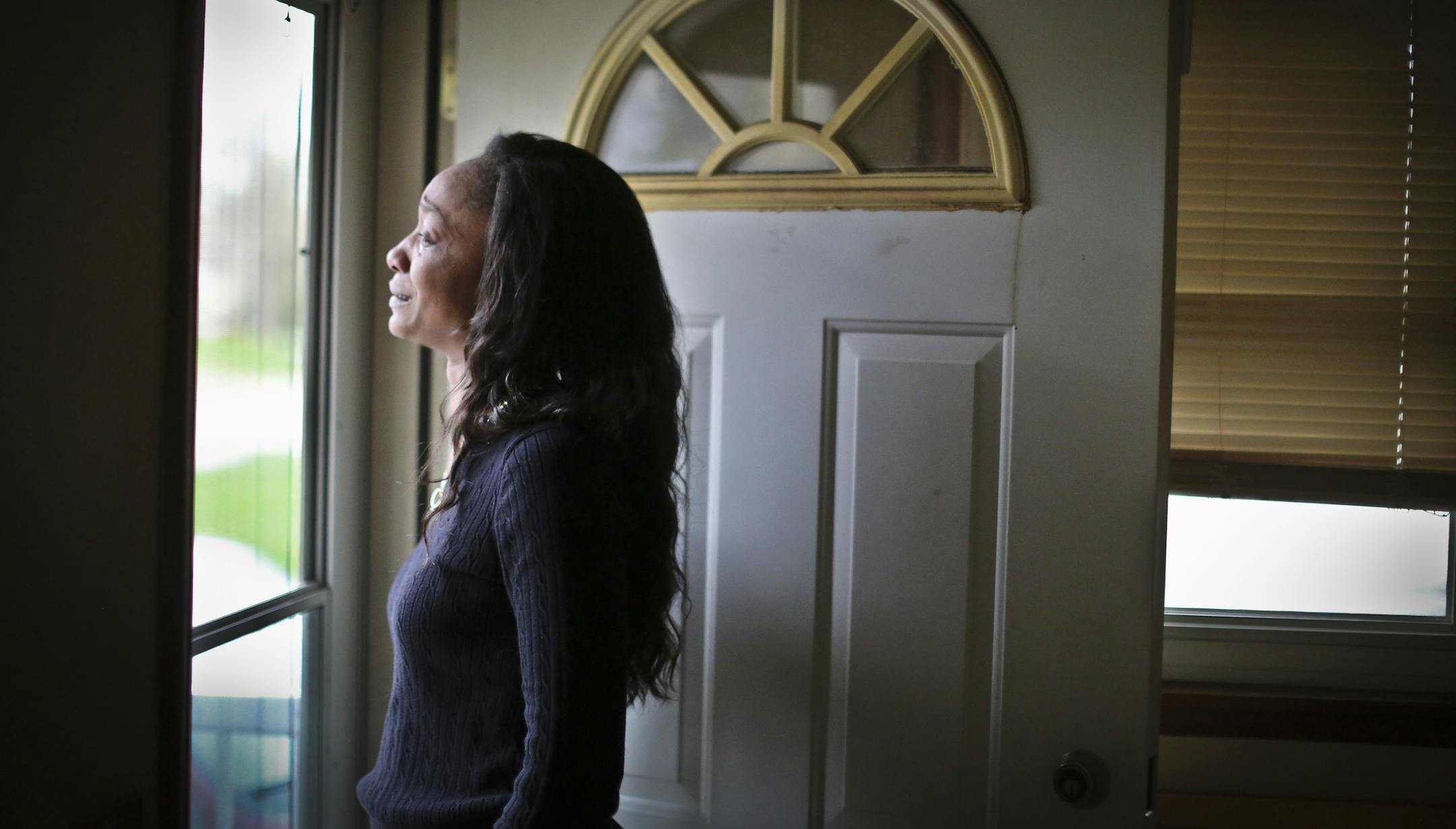
![Shameka Griffin told her mother Sherry Griffin-Emerson the story of the day's events after arriving home in Fridley, Minn., on May 9, 2013, from a hearing where she attempted to have her son Gianni Griffin-Davis released from the Ramsey County Juvenile Detention Center. At the hearing Gianni was not released. He spent a total of 37 days at the JDC until his arson 1 charge was dropped because he was found not able to stand trial. Gianni has autism and several mental health disorders. ] (RENEE JON](https://arc.stimg.co/startribunemedia/7UTWOZJ3CKZ6TMQWJIZ6IZSAU4.jpg?&w=1080)
![Gianni's cousin Sa'nya Storks hugged him after seeing him for the first time since he had returned home from spending 37 days at the Ramsey County Juvenile Detention Center on Thursday May 23, 2013 in Fridley, Minn. ] (RENEE JONES SCHNEIDER * reneejones@startribune.com) Sa'nya Storks CQ](https://arc.stimg.co/startribunemedia/ZJK4XKGGCCAO7H5M5HGA6VS5M4.jpg?&w=1080)
![Shameka Griffin helped her son Gianni Griffin-Davis cut the cake during a make-up birthday party for Gianni (that he shared with his cousin) at the Waterpark of America in Bloomington, Minn., on Monday, May 27, 2013. Gianni turned 15 during his 37 day stint at the Ramsey County Juvenile Detention Center. ] (RENEE JONES SCHNEIDER * reneejones@startribune.com)](https://arc.stimg.co/startribunemedia/NJMEFBEYDNWFKF4EFBSHTBTDRI.jpg?&w=1080)
![Gianni Griffin-Davis played with his Kindle Fire in hi bedroom soon after he returned home from spending 37 days at the Ramsey County Juvenile Detention Center on Thursday May 23, 2013 in Fridley, Minn. ] (RENEE JONES SCHNEIDER * reneejones@startribune.com)](https://arc.stimg.co/startribunemedia/6EE3YDZIJT2OV7VYALZBRN2TAY.jpg?&w=1080)
![Gianni Griffin-Davis played an imaginary game with hangers in his backyard the evening he returned home from spending 37 days at the Ramsey County Juvenile Detention Center on Thursday May 23, 2013 in Fridley, Minn. ] (RENEE JONES SCHNEIDER * reneejones@startribune.com)](https://arc.stimg.co/startribunemedia/SPTCR7VPN54YCPZAJ5ERLJFADA.jpg?&w=1080)
![Shameka Griffin walked with her son Gianni Griffin-Davis into the Anoka County Courthouse for a hearing on Gianni's competence in a sexual misconduct case on Thursday, June 6, 2013 in Anoka, Minn. ] (RENEE JONES SCHNEIDER * reneejones@startribune.com)](https://arc.stimg.co/startribunemedia/YMQV7BDZ5P6PCI7RD7FBK2VMEI.jpg?&w=1080)


