At 17, I went to a couple sessions of family therapy with my parents and six siblings. We were having low-grade family drama and my mom thought it might help. I can't say it helped me, but we all went out for pizza afterward, and that left a nice memory. It also must have made the idea of getting help less intimidating, because I would end up doing that again and again in later years.
I'll try to fly through this: At 26, I saw someone in a counseling center for a couple of months during a rough spot at the end of a relationship. At 32, a series of family practice doctors put me on Zoloft for a couple of years when anxiety and loss led to a bout of depression. At 35, I saw a clinical psychologist for a few months because of some small-bore emotional distress, and lucky for me it never came back. At 40, I went through a short course of cognitive behavioral therapy with a master's-level therapist after a ferocious return of anxiety. It turns out I was a good candidate for CBT. It's been 10 years and I haven't had a day of worry since. I almost miss it.
Sorry to dump all this on you. I realize it's probably not that interesting and that for people suffering more serious forms of mental illness, or their families, my bouts with mood must seem minor. But technically, I had been diagnosed at different points with generalized anxiety disorder, major depressive disorder and probably an adjustment disorder of some sort, and all of them could have worsened.
According to a widely used, if subjective, figure — it depends upon how much stock you place in the ever-expanding boundaries of the American Psychiatric Association's Diagnostic and Statistical Manual — all this makes me part of the one in four Americans who experience diagnosable mental illness in a given year.
But the fact that I don't envision negative repercussions from putting my mental health history in the Sunday paper suggests that either I have really bad judgment or that the stigma surrounding mental illness is lessening. I think it's the latter. These are confessional times. Psychotropic drugs are the third most commonly prescribed pills in the country (329 million prescriptions written in 2012), with antidepressants the No. 1 drug used by Americans ages 18 to 44.
Clearly, getting help is no longer the scandal it once was. This is great news. When it comes to mental illness, any stigma or delay in getting care is too much.
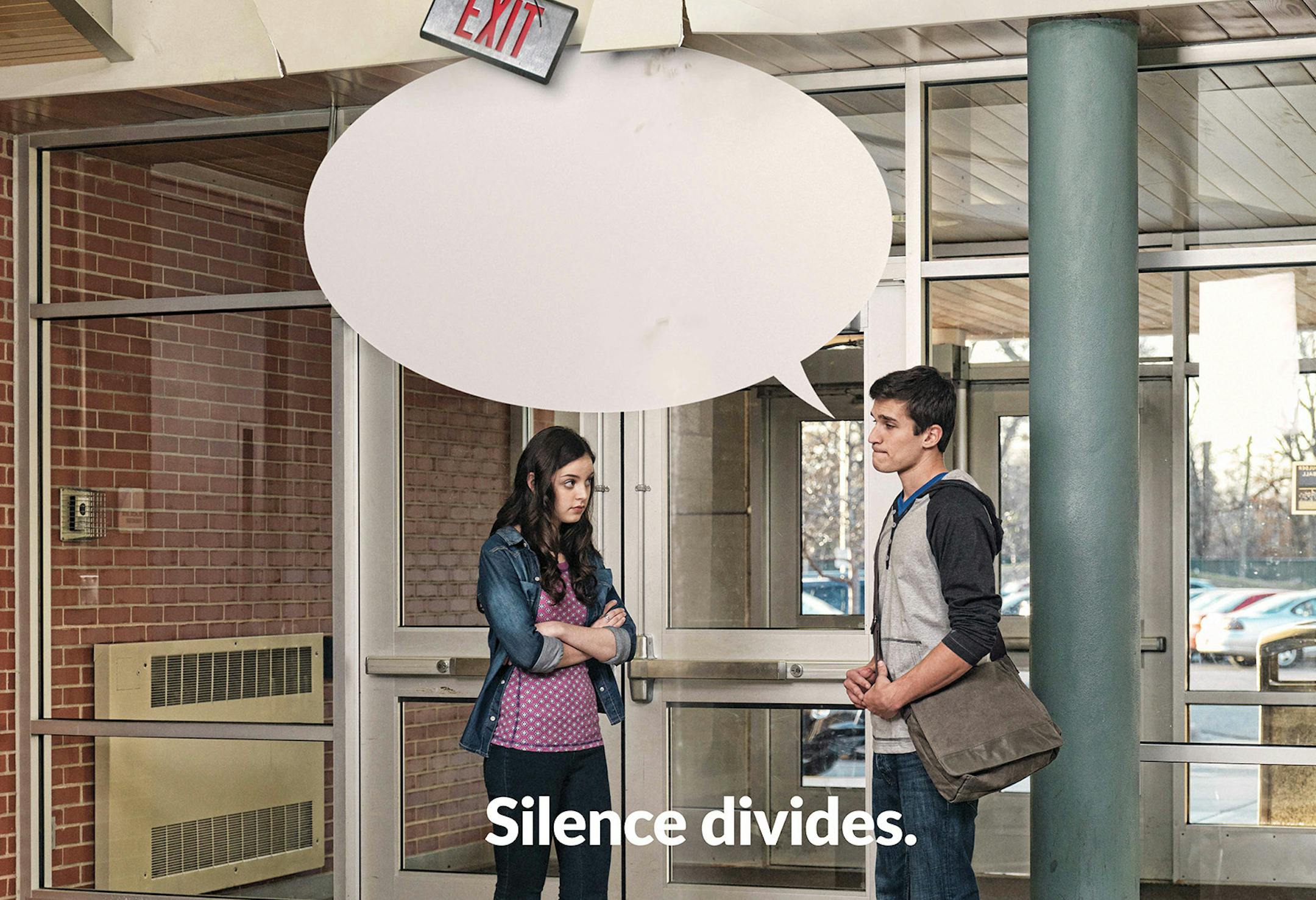
And that is surely the motivation behind "Make It OK," the $1 million public health campaign underway in Minnesota and sponsored by the National Alliance on Mental Illness (NAMI), HealthPartners, Twin Cities Public Television, and a half-dozen providers of mental health services.
Ads featuring oversized and empty conversation bubbles encourage people to talk about their struggles as they might a bout of the flu. I think that would be great. I hate silences surrounding mental health — not to mention unsolicited advice, sermonizing, nervous laughter, withdrawal and all of the other things we do out of skittishness.