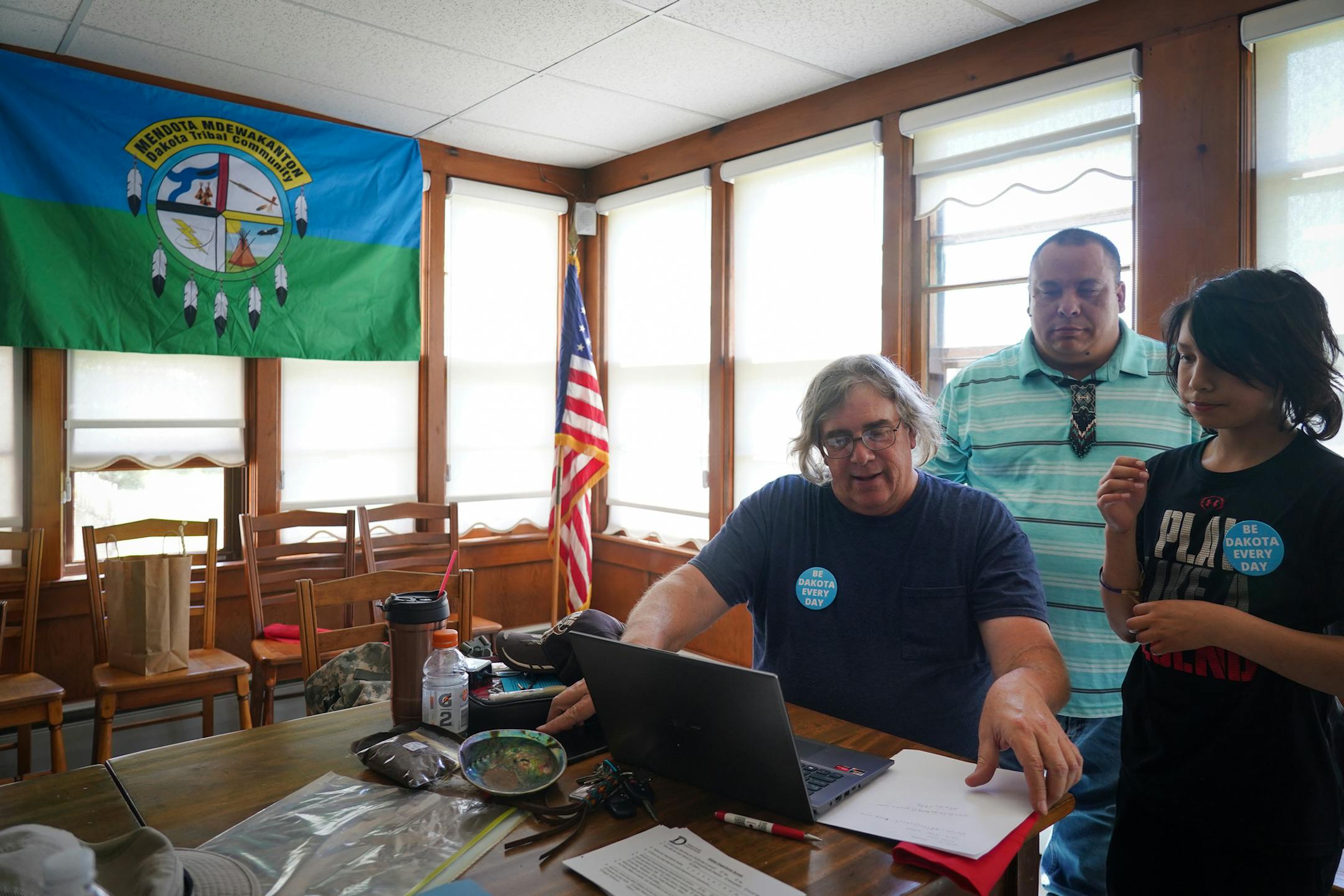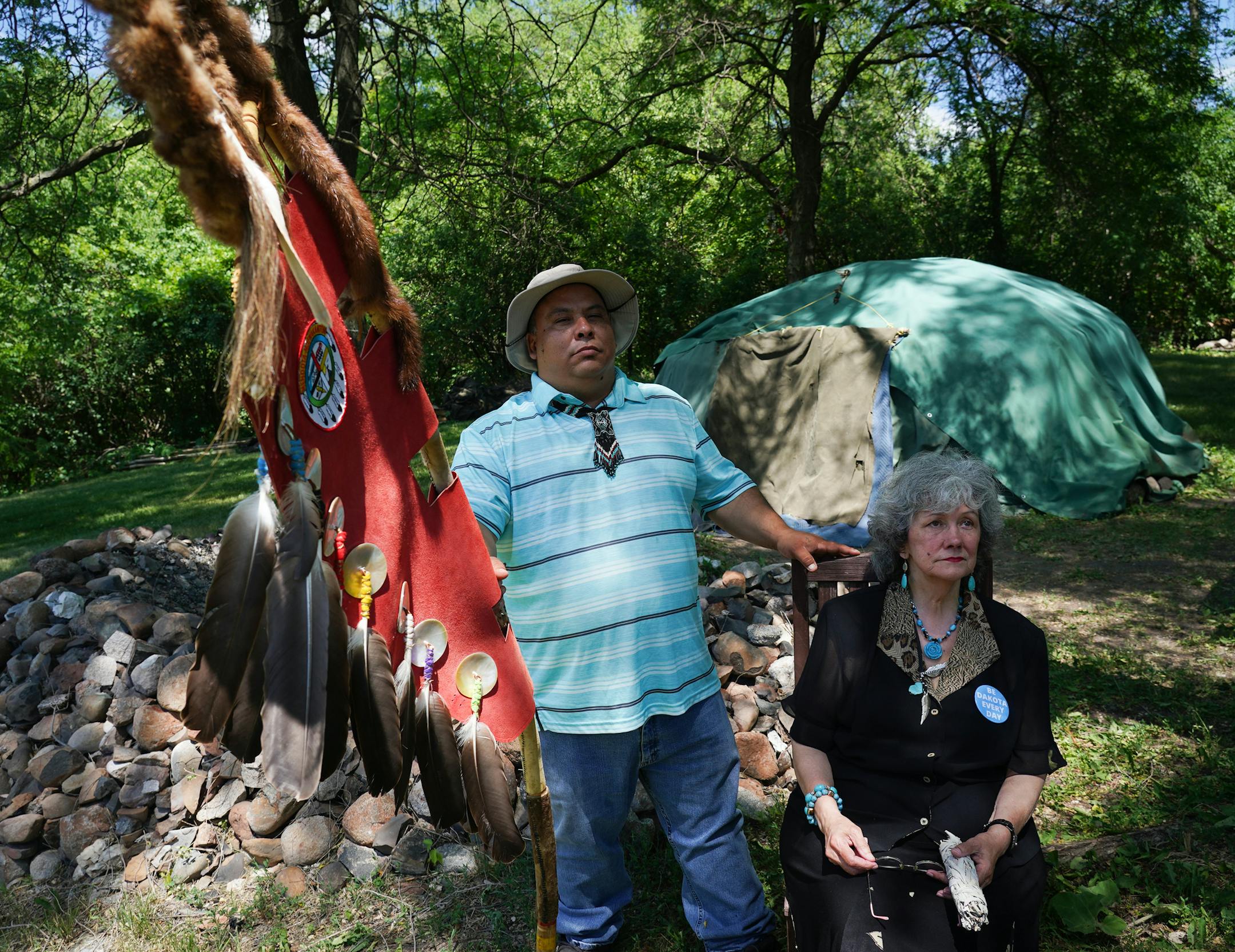
Members of the Mendota Mdewakanton Dakota Tribal Community plan to apply for recognition by the federal government as a sovereign nation, a designation that could give them a seat on the Minnesota Indian Affairs Council and possibly help them obtain land.
The move also would earn the Mendota Dakota community respect from other tribes, said tribal chairwoman Sharon Lennartson.
"We are still here and we always will be," said Lennartson, also known as Good Thunder Woman. "We will fight for our rights."
The tribe, which formed a nonprofit about 25 years ago and has 125 members, intends to submit a petition for recognition this summer. They consider the Mendota area, near the confluence of the Minnesota and Mississippi rivers, as their homeland.
Tribal officials said they feel hopeful about their chances because of President Joe Biden's statements about reaffirming relationships with tribal groups.
A petition filed 25 years ago by the Mendota Dakota community is still in federal hands, said Greg Strandmark, the community's tribal council historian. He said obtaining federal status can take generations, but the community already believes it is sovereign and has the right to self-govern.
A tribe or nation must prove seven things to be recognized, Strandmark said, including documenting that 50% of tribal members lived within a geographical area — in this case near present-day Mendota — at multiple points in history, and that the group has had political authority over time.
Obtaining recognition is "complicated, very burdensome and a real uphill battle," said Iyekiyapiwin Darlene St. Clair, an American Indian studies professor at St. Cloud State University and member of the Lower Sioux Indian Community.