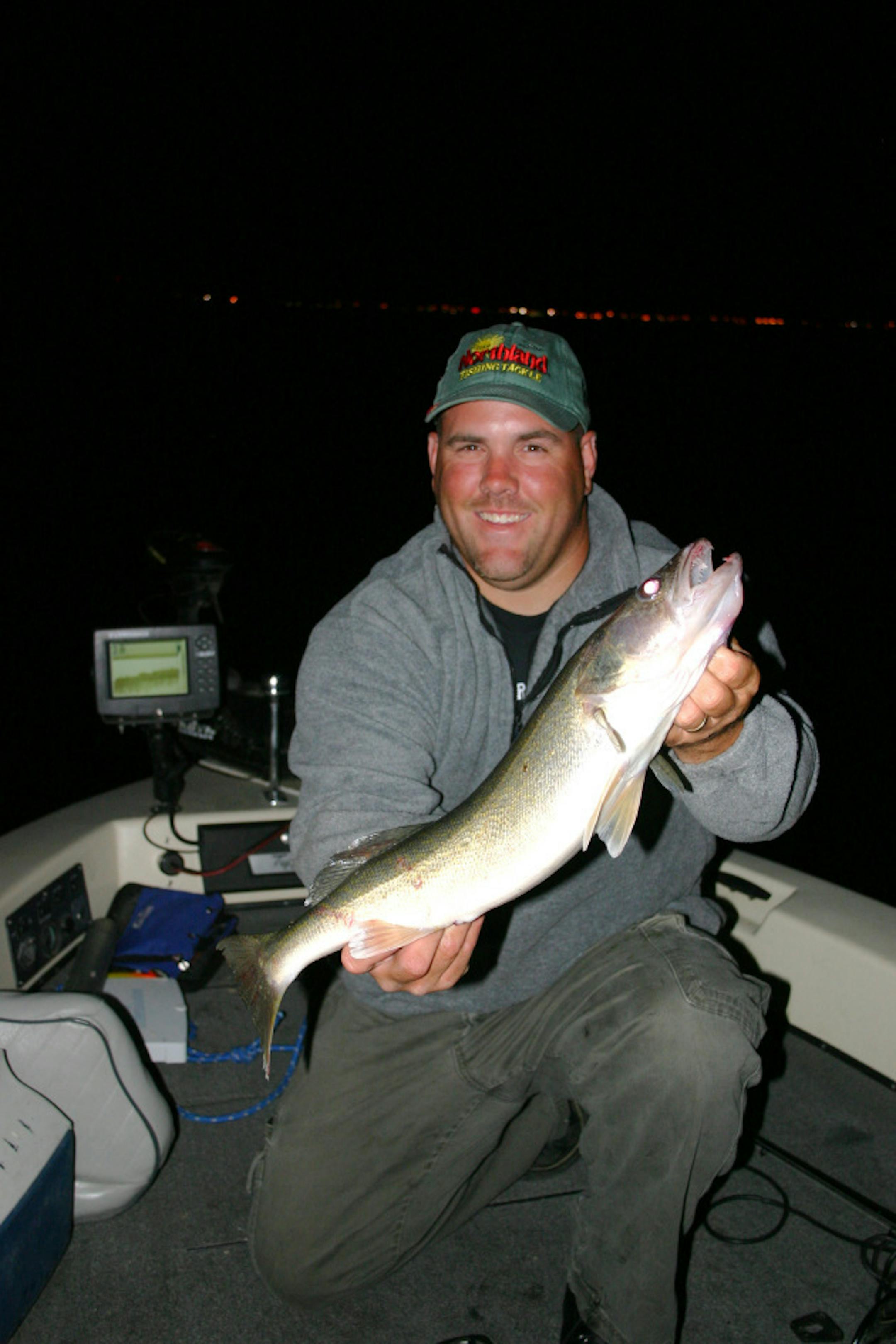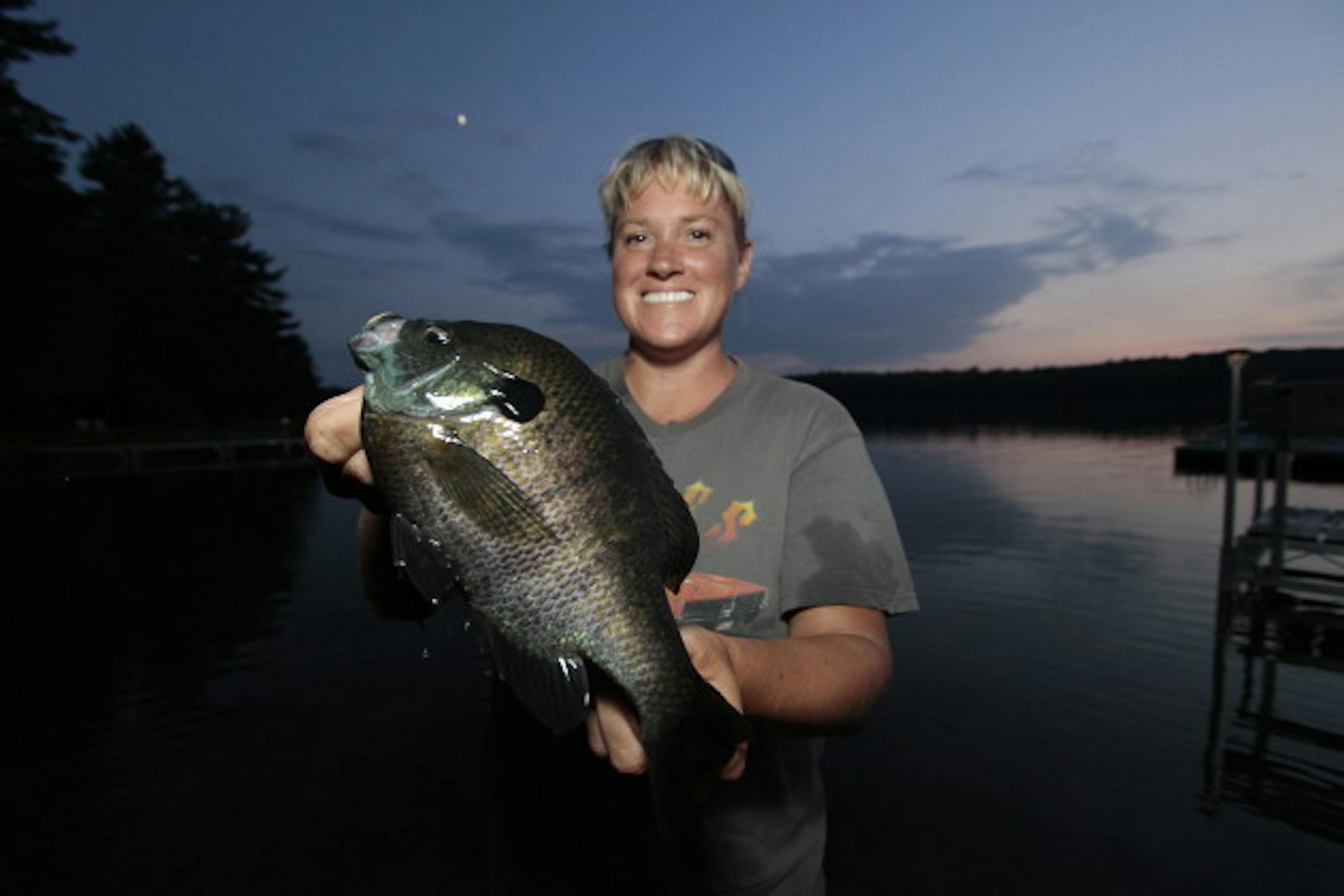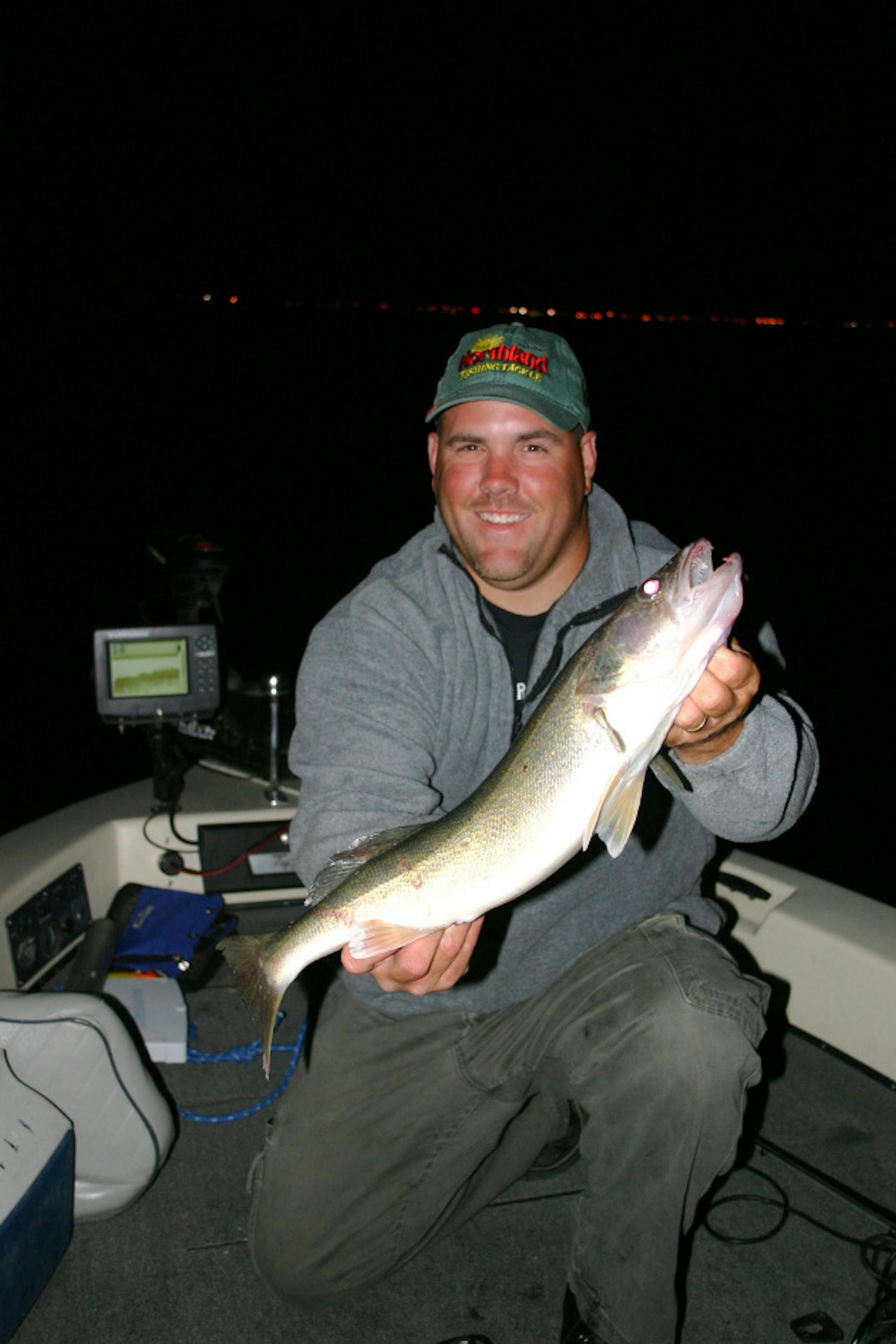
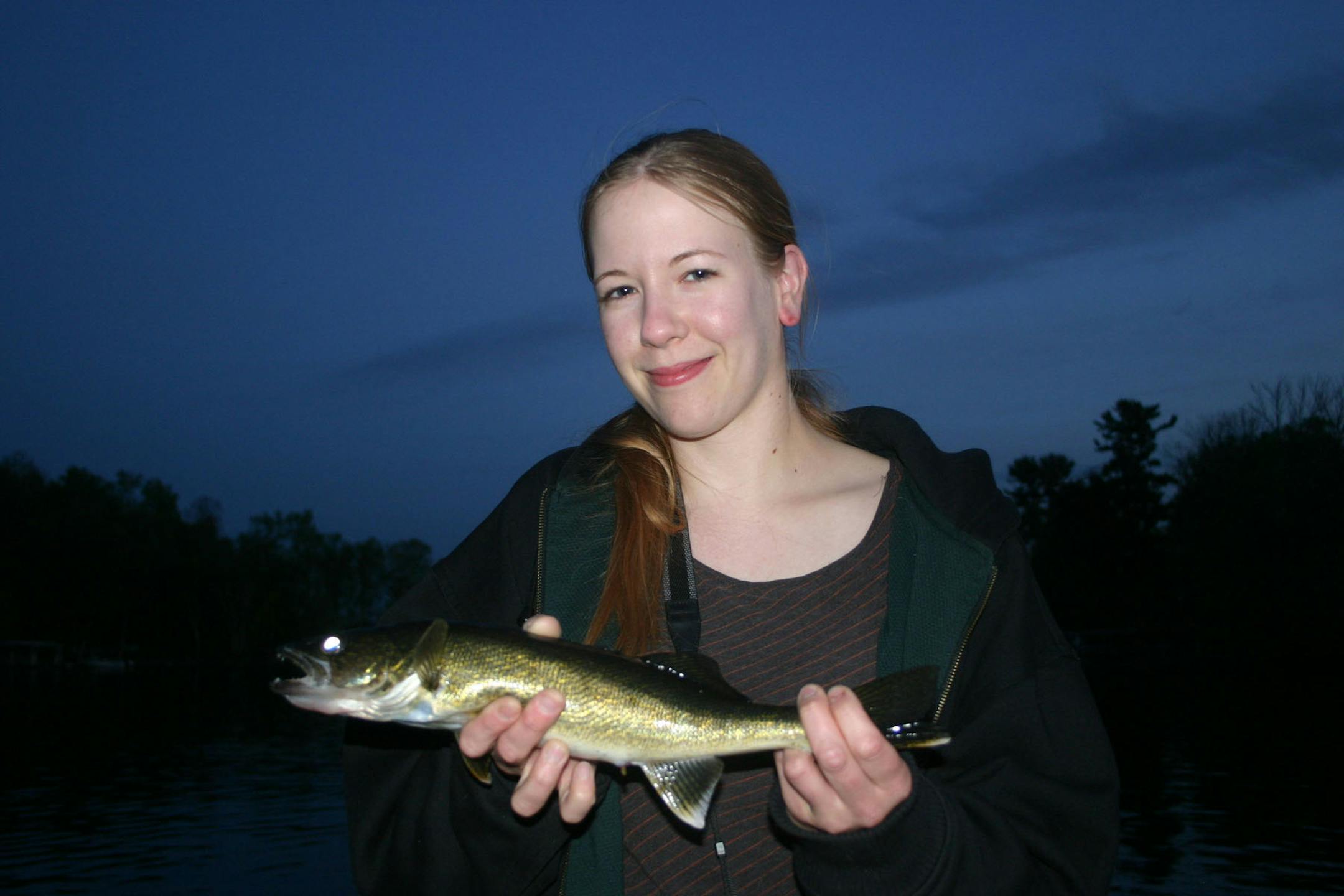
One of the best times to be out on the water, is that time period after most boats have gone in for the evening. Nighttime is a great time to be on the water, especially if you were stuck in the office rather than the boat on that sacred fishing opener weekend.
Fishing at night in May and early June is an under-fished time period that can reap large benefits for anglers who try it. Night fishing is a ton of fun and best of all you don't have to compete for the best locations..
With all the crowds on the lake during the walleye opener and Memorial Day weekend, walleye can be pressured from their traditional haunts during the day. Move into those places near dark and most of the boats are gone.
A note of caution: night fishing is not recommended for the ill-prepared. Anglers who fumble around during the daytime are likely to have a disaster at night. Also, be sure that your lake is open for night time fishing. Mille Lacs has a night fishing ban right now and a few metro lakes have some special regulations regarding fishing at night.
Night fishing requires a boat without too much clutter, lighting that is hands-free, and a life jacket should be worn at all times. If you've never fished the lake before, be sure to have a good map and don't just rely on your GPS. Mapping software is another great tool, but there are hidden rocks even on lakes with detailed mapping technology.
Some anglers like to tape a flashlight to their landing net but most prefer to wear a headlamp. A good headlamp runs around $20 and must be easily turned on and off.
Getting on the water before the sun sets is best if you can do it because you can get set up while there's still daylight. Not only that, but the night bite begins before the sun sets so consider it getting out there early.
Locations
Walleye like to move from the depths up to the shallows at night, especially during this time of the year. A large flat with emerging weeds is a great location, especially if it's adjacent to an area with current such as a channel or narrows. Try trolling the seven to 12 foot depth range with a shallow-running Rapala just ticking the tips of those fresh-growing weeds.