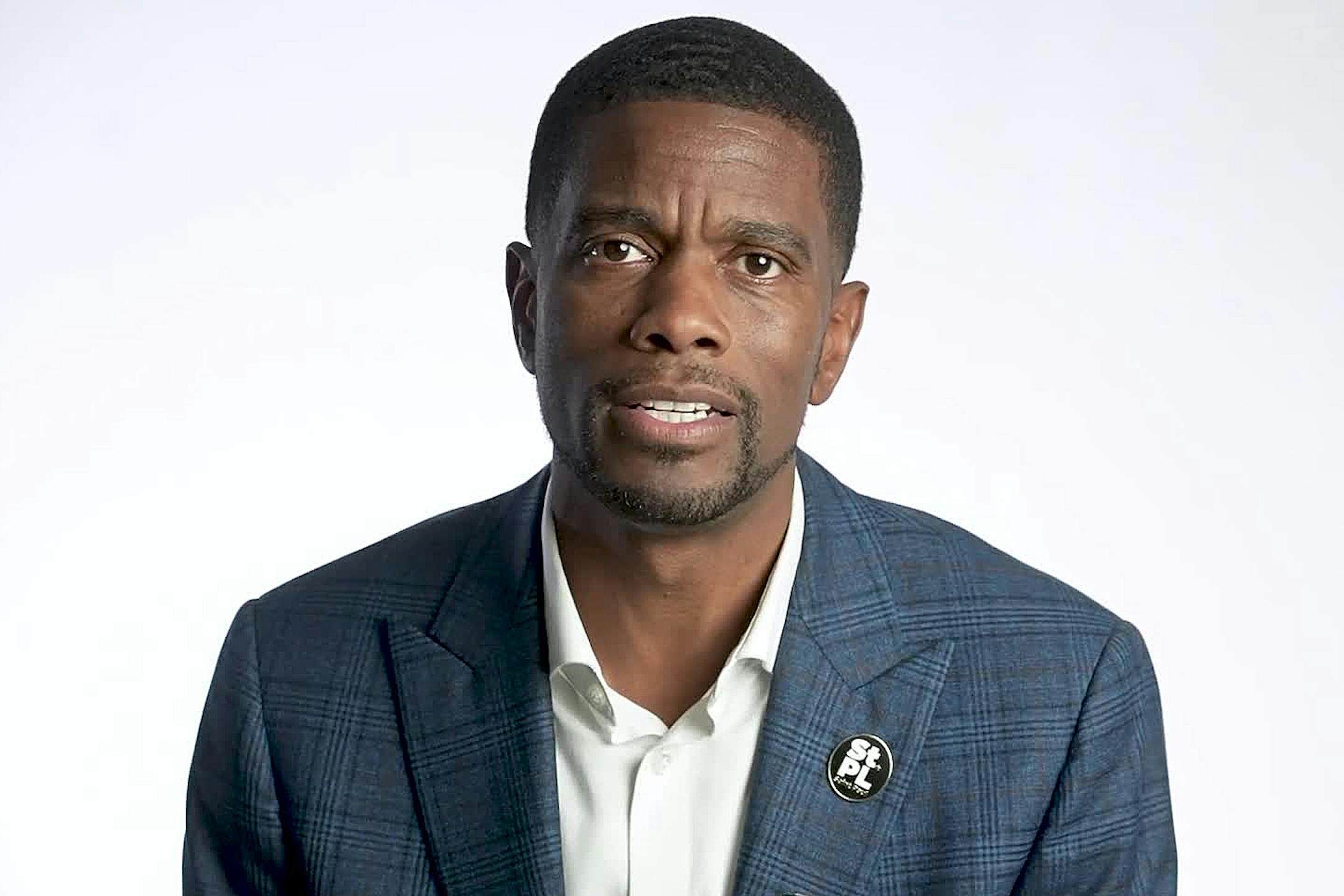
St. Paul Mayor Melvin Carter is running for a third term leading the capital city. A fifth-generation St. Paulite who served on the City Council before resigning during his second term to take a job in then-Gov. Mark Dayton’s administration, Carter was first elected mayor in 2017.
In his campaign, Carter has emphasized the need to combat violence and drugs, and to build more housing — and says he thinks his administration is making progress.
He credits a St. Paul police drive to investigate nonfatal shootings with a drop in gun violence in the city, and led the push this year to weaken the city’s rent control laws in an effort to spur development.
As part of its coverage of the St. Paul mayor’s race, the Minnesota Star Tribune invited Carter and state Rep. Kaohly Her, Carter’s main challenger, to address a variety of campaign issues. Carter’s comments have been edited for length and clarity.
On the most pressing issues facing St. Paul
Our most urgent priorities right now are always public safety. We want to build on the progress that we’ve made fighting against gun violence and build that up to help address some of the impacts that we’ve seen around the fentanyl crisis and people in crisis in our community.
We have to keep building as much housing as we can, as fast as we can, so everything that we can do out of City Hall to help facilitate that development is critical, and the future of downtown is critical for every single one of our neighborhoods and for our city tax base. … That’ll center around getting the Grand Casino arena renovated, that’ll center around turning old offices into new housing, and that’ll center around … all the construction we’re doing, building new roads and new parks and new infrastructure downtown to make sure it’s a safe and enjoyable place for everybody to get around, to live, work and play.
On what a thriving St. Paul looks like
A thriving St. Paul is a place that’s built for the future. So many of us reminisce over the St. Paul that we loved in the ’90s or in the ’80s, or in the ’70s or in the ’60s, the way the streets were, the way the parks were, the way the neighborhoods were, the way our downtown was. And the truth is, none of those things are good enough to be able to push forward. That’s not something bad about us. That just means we have to continue to adapt and continue to change as we build the future for our city together.
On the future of downtown
When I look at downtown, I see an enormous amount of potential, and historically, maybe underutilized potential. The downtown I grew up in was centered around department stores … it was centered around office buildings. … And it was centered around sports, and that’s one of the reasons why we’re so bullish and ecstatic about the opportunity that we have to renovate the Grand Casino arena to make sure that that continues to be the case for the future.