

Every St. Paul kindergartner may soon start school with money for college.
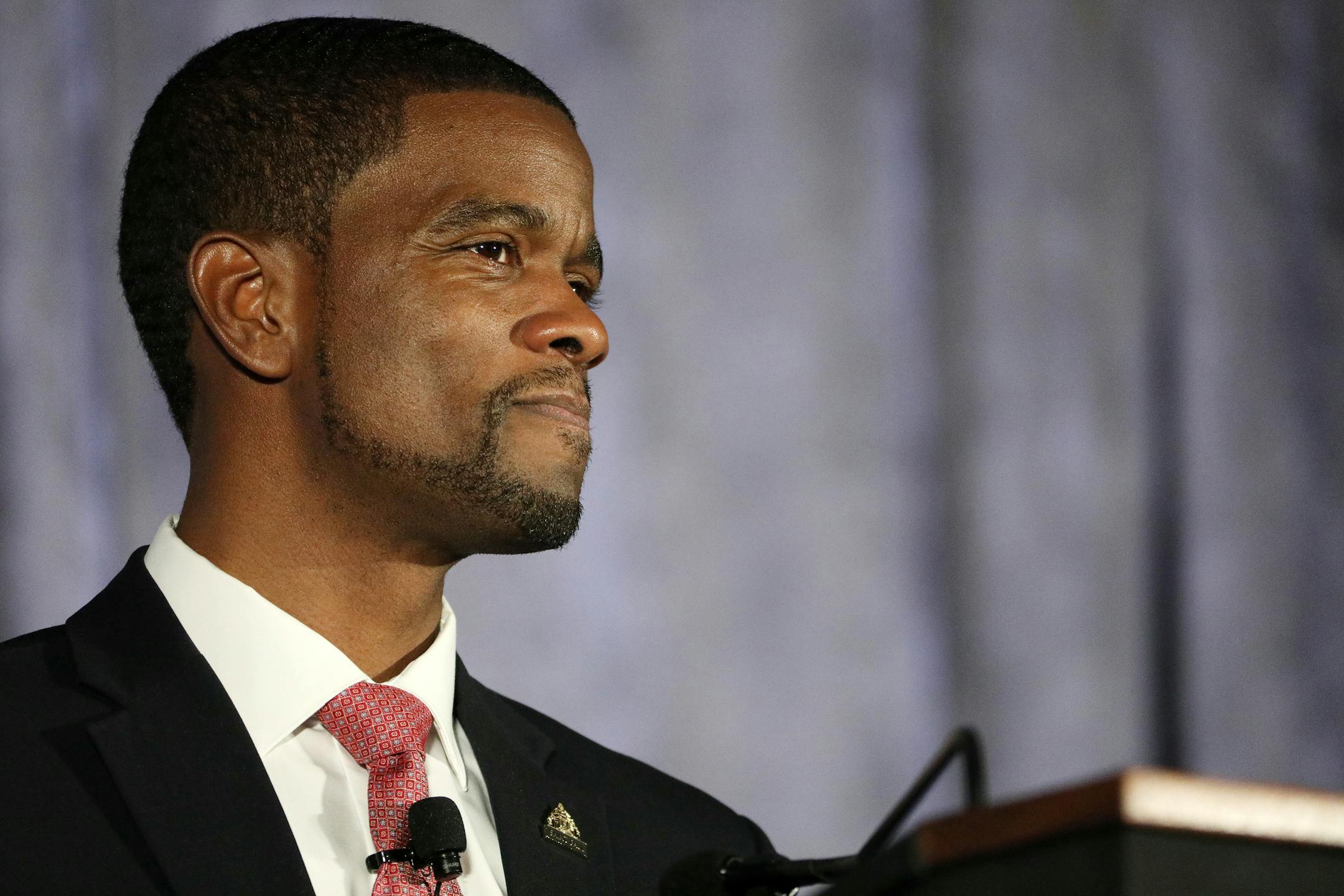
In his inaugural address Tuesday, Mayor Melvin Carter pledged to work with businesses, philanthropists and nonprofits to provide a college savings account for "every child born in St. Paul."
A $50 investment isn't going to accumulate enough to make much of a difference in affordability, with in-state tuition and fees at the University of Minnesota totaling nearly $15,000 this year. Proponents of similar programs around the country say it's the idea, and not the sum, that will inspire students to work toward attending college.
If Carter is successful, St. Paul will join a growing group of U.S. cities working to boost college attendance by giving students a little college fund.
San Francisco started its $50 college funds for kindergartners in 2011. A program launched in 2015 in St. Louis now counts about 10,000 participating students. In Atlanta, Mayor Keisha Lance Bottoms said in her inaugural address — also on Tuesday — that she plans to follow suit.
The Minneapolis Youth Coordinating Board has been exploring implementing college savings accounts for a little over a year, said Executive Director Ann Marie DeGroot. In 2017, then-Mayor Betsy Hodges allocated $15,000 in her budget for the initiative, and this year allocated $40,000. The hope is to implement the program in 2019, DeGroot said, though the specifics have not been worked out.
There are few details about Carter's plan at this point, but it will likely be modeled closely after what other cities are already doing, said Liz Xiong, a spokeswoman for the mayor. It's one of Carter's immediate priorities, she said, along with reviewing the St. Paul Police Department's use of force policy and pushing for a citywide $15 minimum wage.
Because existing college savings account programs are relatively new, it's tough to predict whether the children they're serving now will ultimately attend and graduate from college.


