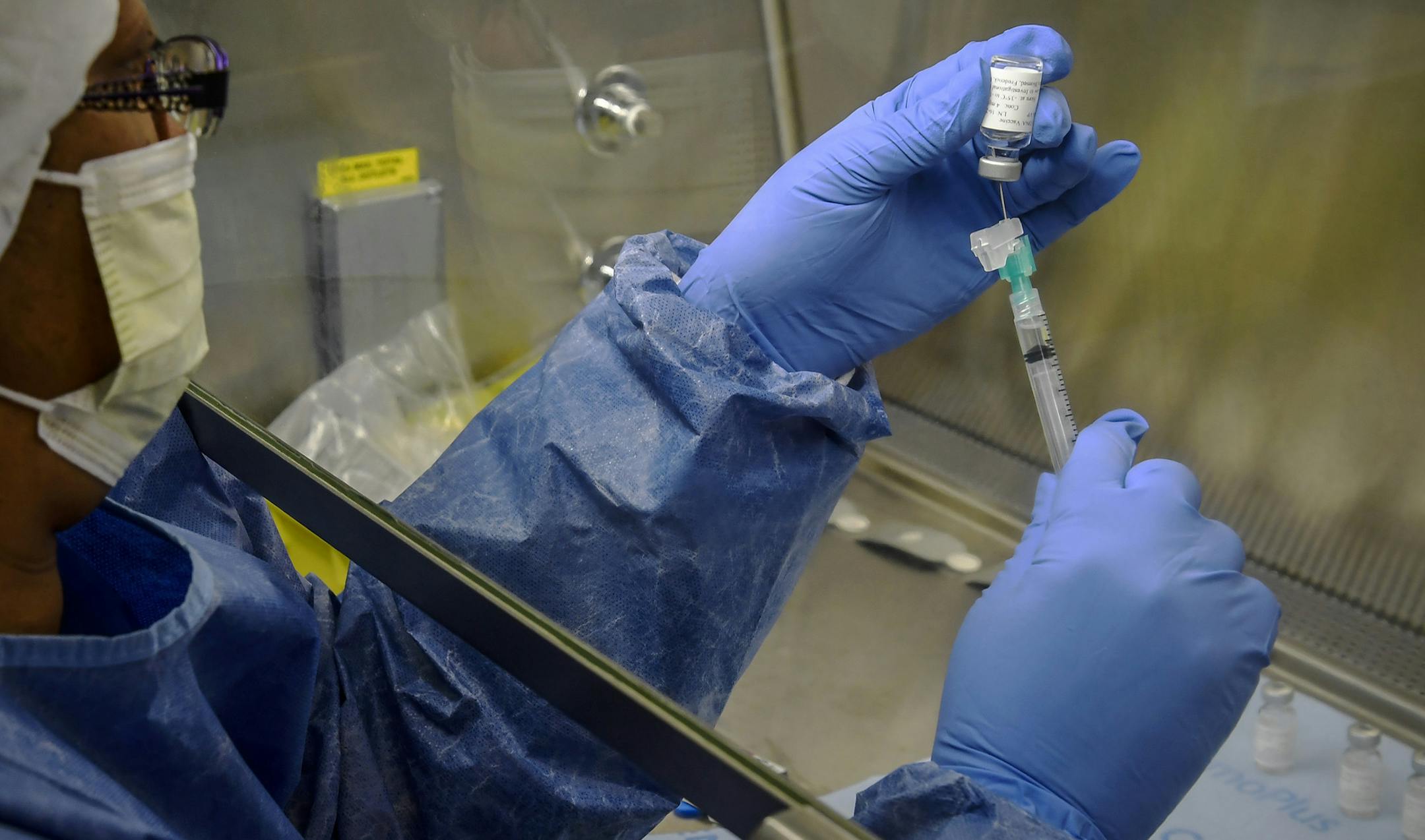
They are three women who have spent months getting an experimental vaccine in the name of science. On each date of a strict timetable, they've headed to windowless exam rooms in Bethesda, Md., Baltimore and Atlanta and stuck out their arms, to get an injection or to have blood drawn. Or both.
How their bodies react will determine whether this clinical trial — one of the first — proceeds to the next stage in a long and complicated process. Its target is Zika, a virus that since 2015 has spread with a vengeance to 58 countries, infecting hundreds of thousands of pregnant women and putting their babies at risk of birth defects.
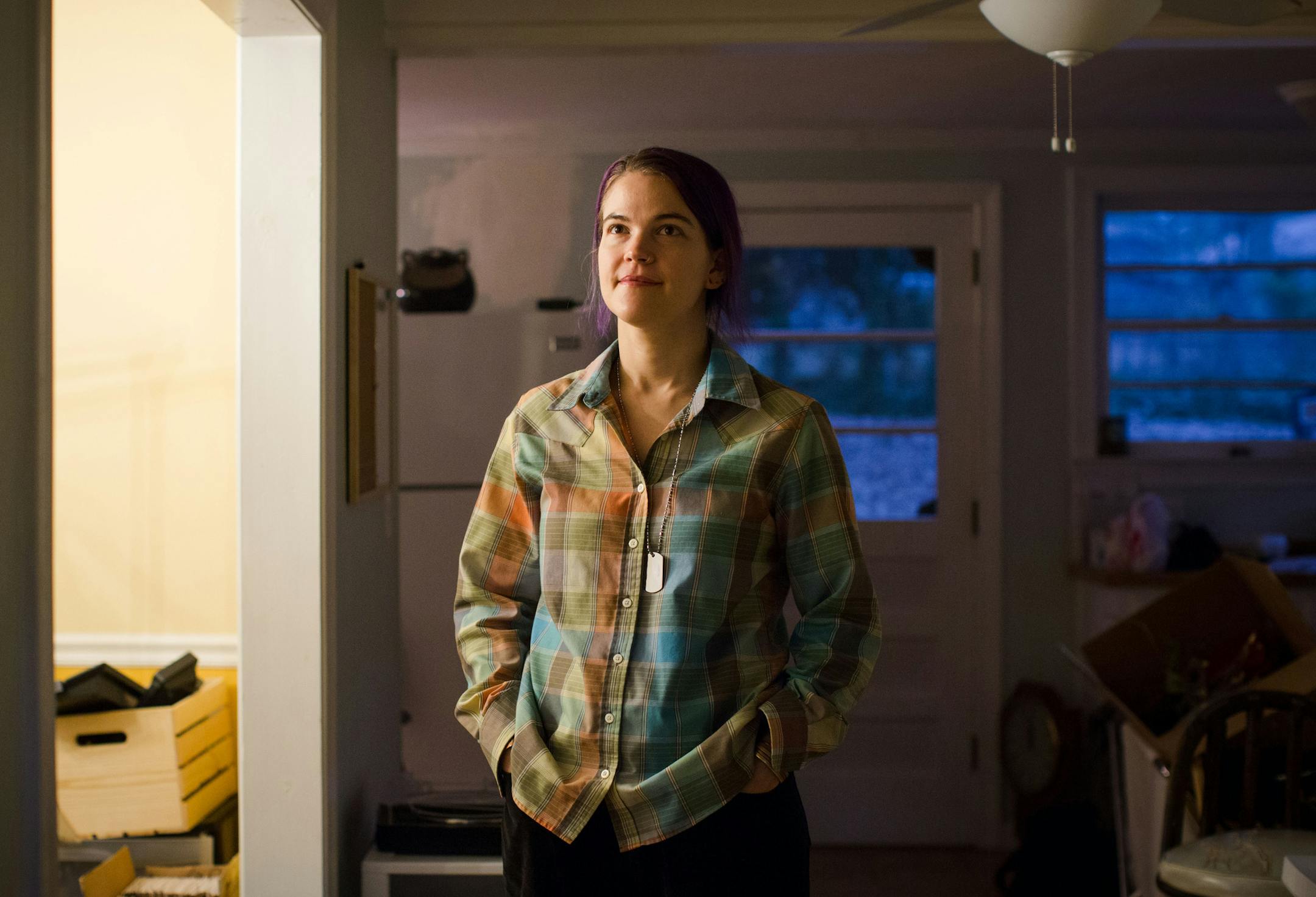
In Bethesda, volunteer Andrea Vaught is a researcher who is earning a master's degree in public health. Being part of a clinical trial appeals to her inner geek.
In Baltimore, volunteer Crystal Woodley is grateful for the $1,100 compensation, given her recent layoff from a night-shift warehouse job.
And in Atlanta, volunteer Virginia Bliss is motivated by love and gratitude for her 10-year-old daughter.
The trio is at the heart of an effort by scientists worldwide. At least six vaccine candidates are in the development pipeline in the United States, with drug companies and government institutions collaborating to accelerate the process.
There is special urgency with all this work. Zika has confounded the medical community with its unpredictability, and virtually every week, research provides disturbing new data about its damaging potential in the unborn, infants and even adults.
Yet vaccines usually take at least a decade to develop because so much of the effort is trial-and-error.