Javier Morillo's disillusionment with the powerful started before he can remember, when he was a toddler and the Army tried to send his Puerto Rican father to fight in Vietnam for a third time.
It hardened in adolescence, when he says a military doctor's mistakes almost killed his mother, and the man was never held accountable. "I refused to live in a world where Mami did not see justice," Morillo said, but "I do live in that world."
Morillo has channeled his outrage into the fight for racial and economic justice. His battleground is Minnesota and, more often than not, his opponent is business.
Over the past 10 years, he has transformed a sleepy janitors' union into a force, harnessed the shifting demographics of the Twin Cities to pursue an unapologetic progressive vision, reshaped Minneapolis politics and earned a long list of enemies.
He and his allies pushed a statewide minimum wage hike to passage, secured higher wages for workers at the airport, brought Target Corp. to the negotiating table with nonunion janitors and played a big role in getting Betsy Hodges elected mayor of Minneapolis.
Now he is at the center of some of the biggest and most divisive labor issues in the Twin Cities. By pushing for new rules on worker scheduling, sick leave and a higher minimum wage, Morillo wants to change the way business is conducted.
That stance is alarming many business leaders. "It borders on economic lunacy, what they're trying to do," said Mike Hickey, Minnesota director for the National Federation of Independent Business.
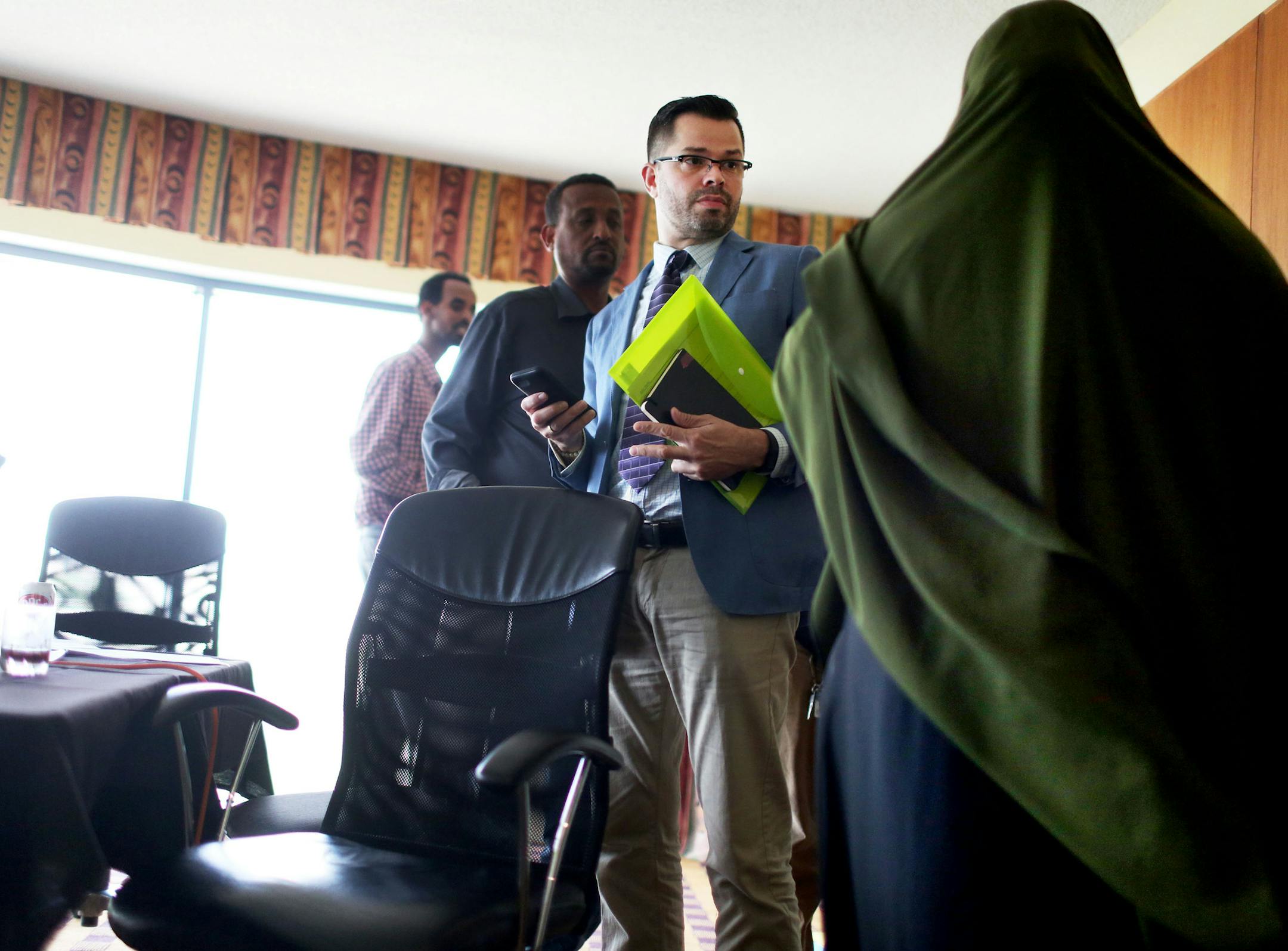
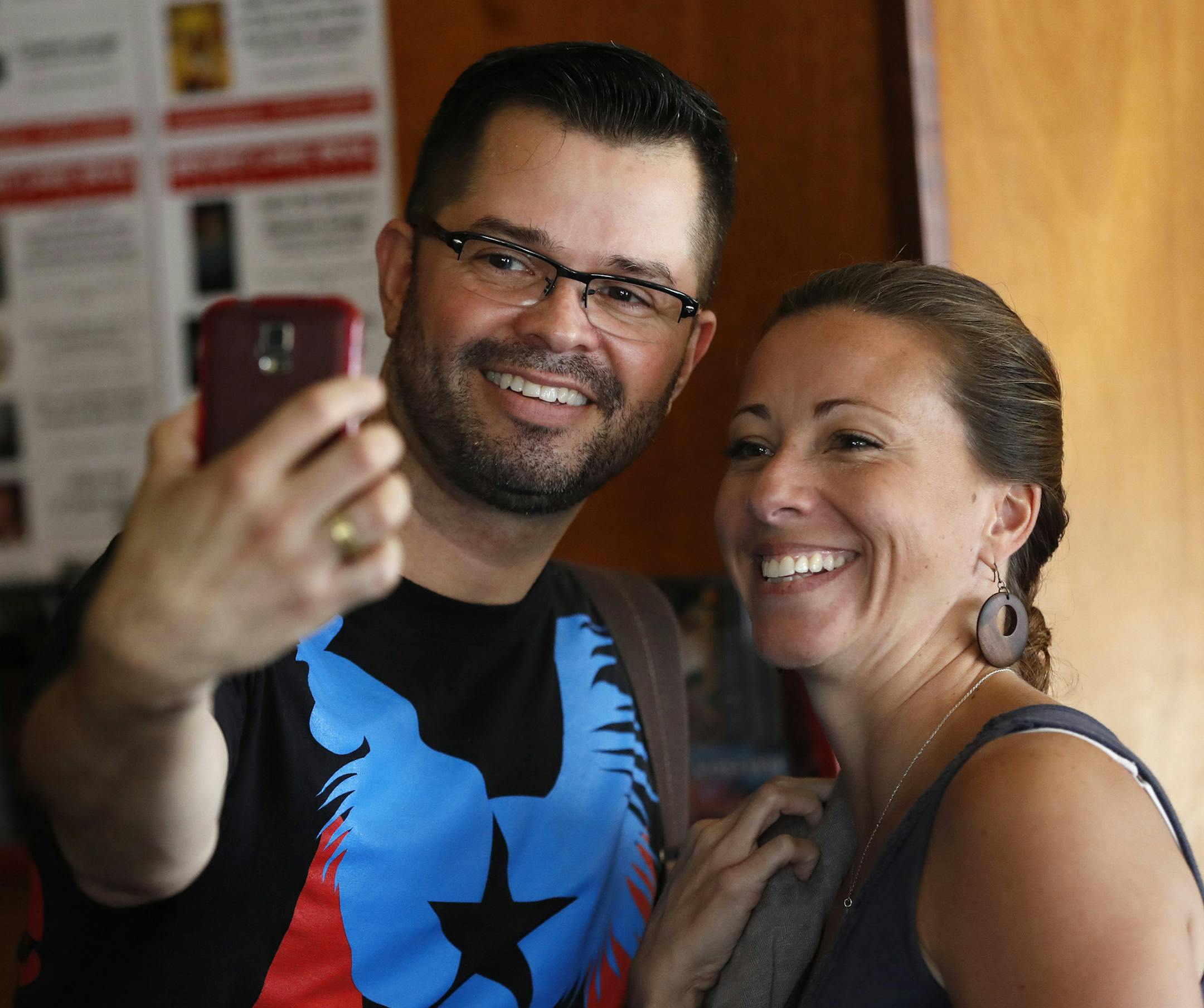
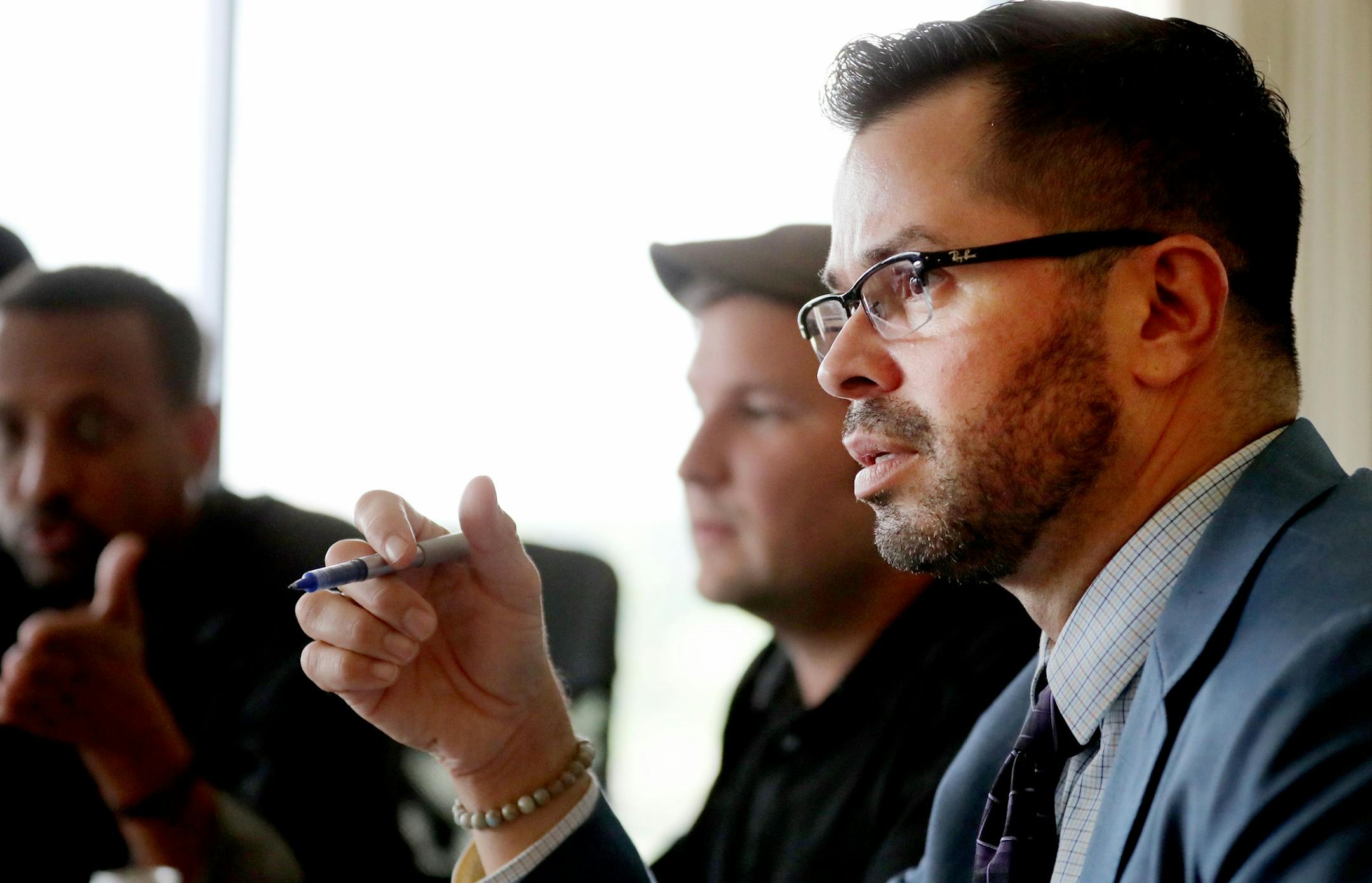
Yale-educated, bilingual, gay and Latino, Morillo is a self-styled "thug in pastels" — fast, relentless and attentive to the tediums of public policy and organizing people.