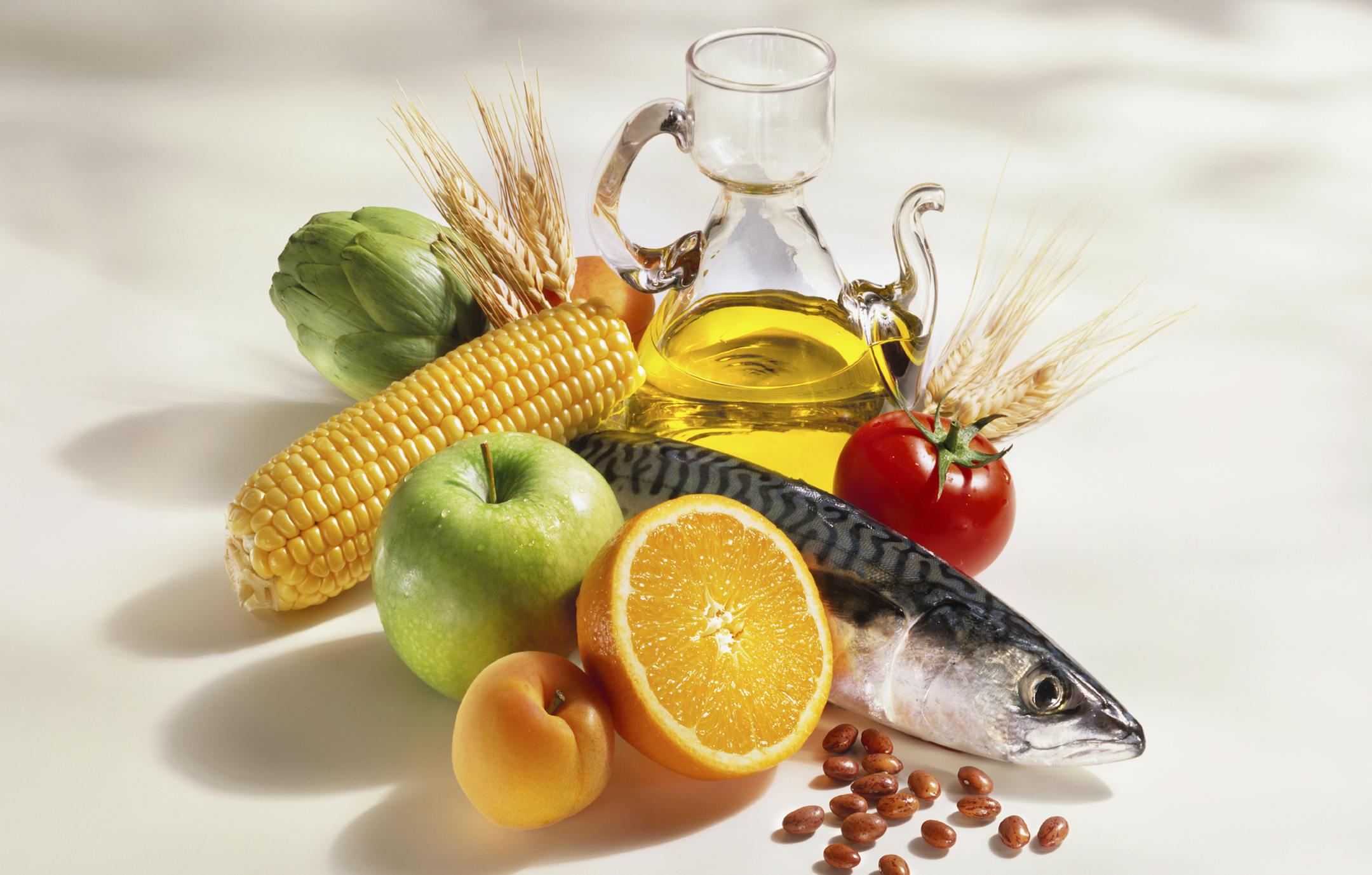
A senior official at the World Health Organization pronounced the Mediterranean diet dead — a casualty of changing lifestyles in countries such as Greece, Spain and Italy.
New data show that children in southern Europe have obesity rates higher than 40 percent. João Breda, the program manager for nutrition, physical activity and obesity at the WHO Regional Office for Europe, blamed the incursion of sodas and snacks into the region's traditionally low-sugar, produce-heavy diet.
"The Mediterranean diet for the children in these countries is gone," Bredasaid. "There is no Mediterranean diet anymore. … The Mediterranean diet is gone, and we need to recover it."
Breda's observations are from the Childhood Obesity Surveillance Initiative, a 10-year-old research project that monitors the height, weight and eating habits of tens of thousands of children in more than 30 European countries. The largest study of its kind, COSI captures long-term changes in children's diets and childhood obesity.
In southern Europe, those dietary changes have generally been for the worse. While famous for their "Mediterranean diet" — lauded for its healthfulness, and heavy in leafy greens, fruits, whole grains, olive oil, nuts and pulses and some lean proteins — many Greeks, Spaniards and Italians have developed a taste for processed food, sodas and sweets.
The analysis found that fewer than 1 in 3 Spanish children eat fruit every day, and fewer than 1 in 10 have a daily vegetable. In Italy, nearly three-quarters of kids eat fruit daily, but just over half eat vegetables.
That mirrors surveys of adults in Spain, Italy, Greece and Cyprus, which have found that younger generations tend to eat more meat and dairy and less fresh produce than older people. In one Italian study, two-thirds of respondents ages 15 to 24 said they didn't eat a Mediterranean-like diet — compared with 47 percent of adults ages 55 to 64.
"The Mediterranean diet is based on fresh, seasonal and local food," Breda said. "Children today eat much less fruit and vegetables, pulses and fiber-rich complex carbohydrates than their parents and grandparents."