

Like many veterans, Fernando A. Franco had trouble sleeping through the night.
A major in the Minnesota National Guard, he was deployed twice between 2003 and 2007, once to Bosnia and once to Iraq, with barely six months' break in between. The place where he was stationed near Balad, Iraq, was nicknamed "Mortaritaville" because "we were attacked every day," he said.
After Franco got back home to St. Paul, he was hard-wired to wake up at 3 every morning, the same hour that in Mortaritaville he and his fellow soldiers would start hearing the shells aimed their way and brace for battle. Once he woke up, he'd stay up, living in a state of perpetual exhaustion.
"It really affected not only my work, but my relationship with my wife and kids," he said. Then he heard about TM.
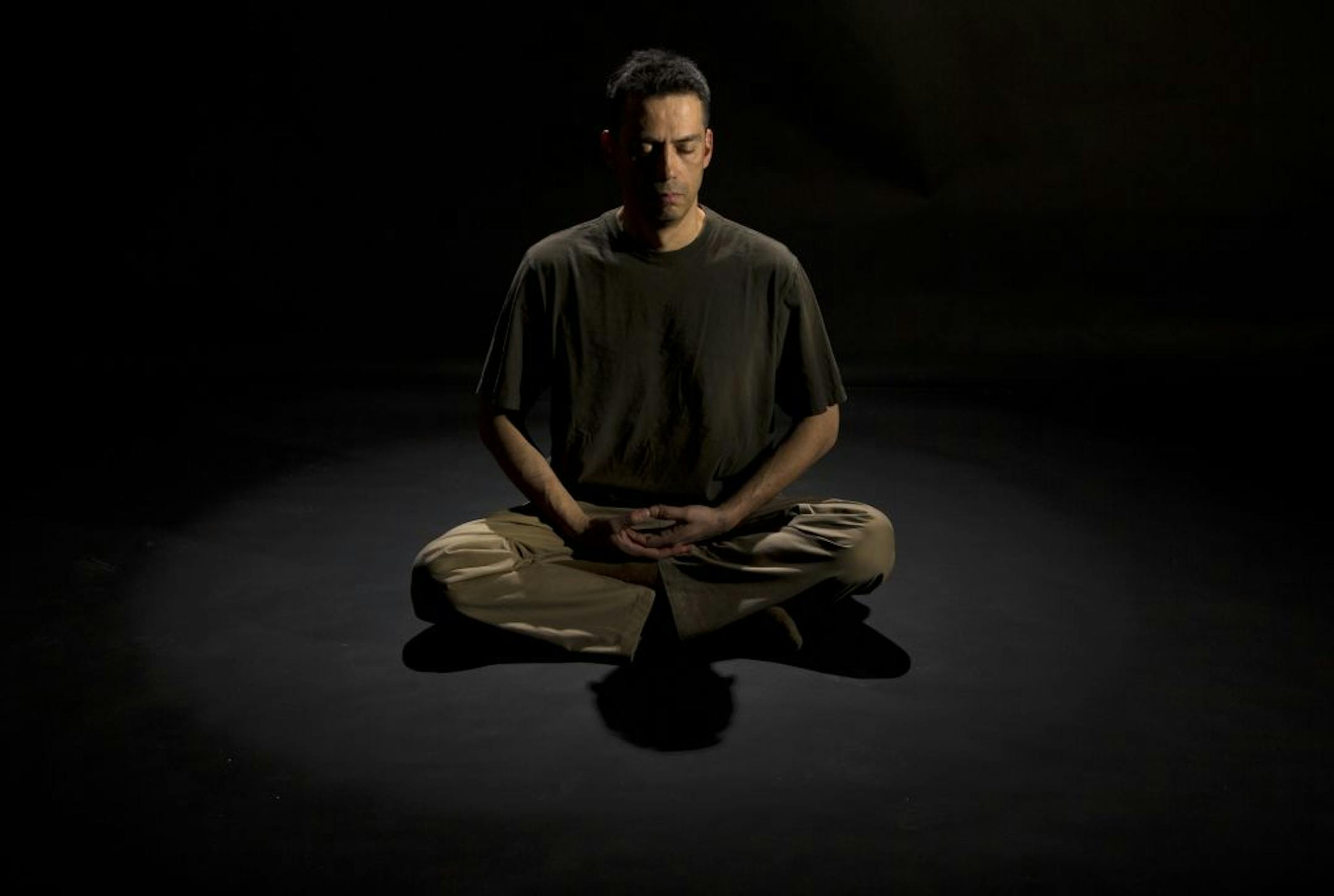
Transcendental meditation, or TM for short, is hailed by its devotees as good for just about anything that ails you. Skeptics call it everything from a bunch of hooey to a brainwashing cult, but those who do it daily claim they feel calmer, have more energy and feel healthier, both mentally and physically, than they used to. It's not a religion, they say, just a practice that reduces anxiety and improves well-being.
Now the U.S. military -- not known for embracing the mystical -- has taken note. The Department of Veterans Affairs has invested $5 million in a dozen trial programs studying TM's effects on post-traumatic stress disorder (PTSD), including one at the Minneapolis VA Health Care System.
The VA hopes to recruit 30 vets for the trial beginning in about a month, said spokesman Ralph Huessner, noting that it should not be confused with Mindfulness-Based Stress Reduction, a different meditation program already offered.
'A part of the universe'


