

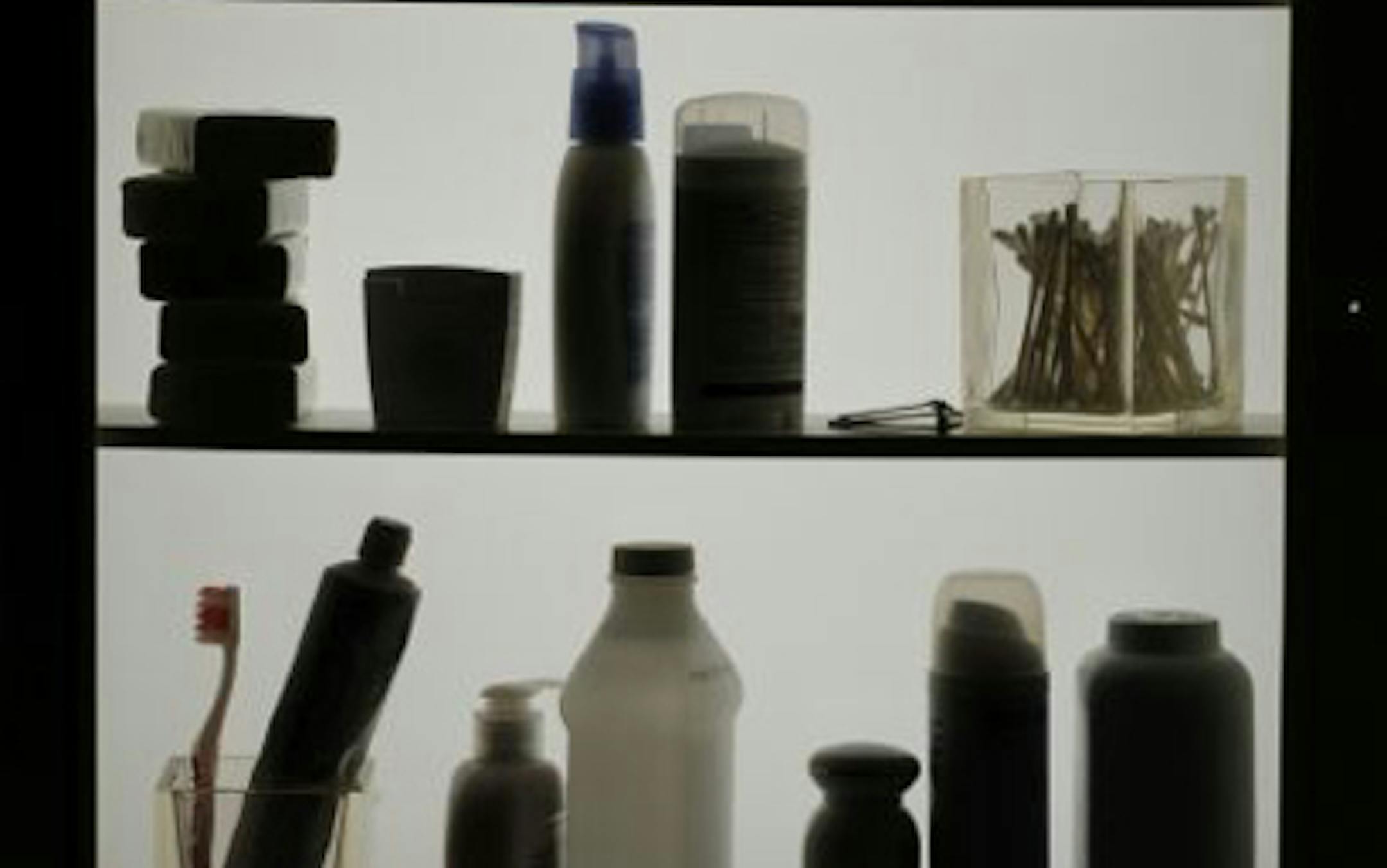
You know this moment: standing in front of your medicine cabinet, fighting back another coughing spasm while holding a tissue to your running nose and contemplating a) whether the cough syrup that expired 10/07 is still safe; b) if you can take both cold pills and aspirin at once; or c) why there's nothing in here except Band-Aids, dental floss and little bars of filched hotel soap.
It's spring cleaning season, but one of the more overlooked jobs is making sure your medicine cabinet is well-stocked and up-to-date. We asked Dr. Sally Kline, a family practitioner at Park Nicollet Clinic in Eden Prairie, to walk us through the task.
Tip One: The classic bathroom medicine cabinet is about the worst place to keep many medicines. The variable levels of heat and humidity can wreak havoc on potency. "It doesn't make them dangerous, just not as effective," Kline said. "The best place for you to store things is in some sort of plastic container in your kitchen. It makes sense because many medicines need to be taken with food." In any case, she added, store medicines in a place that can be locked if there are young children in the household.
Tip Two: Expiration dates are real, but there is a fudge factor. "The drug companies really mean it" when they note a date, she said. It's a liability issue for them, although many pharmacists say most drugs are good for a year past the date if they've been properly stored. "If they don't look crushed or altered in any way, they're probably all right," Kline said. "But if you're at all uncertain, buy new." For one thing, ingesting outdated meds may be a waste of time. "Again, they're not dangerous, just not as effective."
Tip Three: When disposing of old drugs, ask if your pharmacy is willing to accept and dispose of expired medications. Otherwise, the best place is in the trash, with some preparation. Crush old tablets and add some water to the original childproof container, making them unusable. Seal any containers or bottles in boxes or plastic bags, or hazardous-waste bags. Don't ever flush medications because they can contaminate the water supply.
Kim Ode • 612-673-7185
ITEMS THAT EVERY HOUSEHOLD SHOULD ABSOLUTELY HAVE
• Antihistamine for allergic reactions. Common brand names are Benadryl or Claritin, or the generics diphenhydramine or loratadine.
• Acetaminophen to reduce pain or fever. Common brands include Tylenol, Anacin-3 and Datril. Acetaminophen doesn't interact with other medications and comes in forms appropriate to both children and adults.


