
Medication errors: Tips to keep you safe

May 3, 2016 at 4:39PM
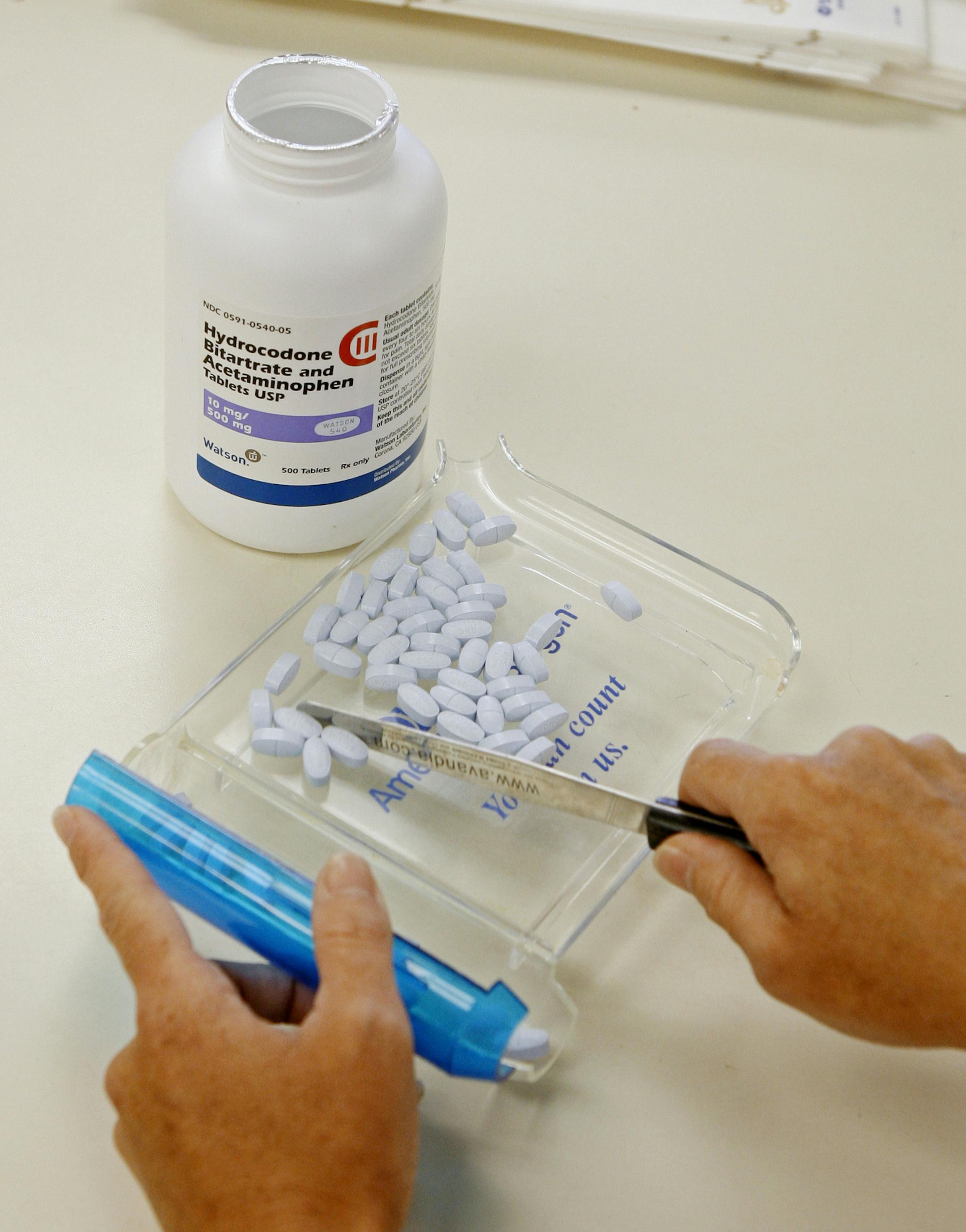
FILE - In this Aug. 5, 2010, file photo, a pharmacy technician poses for a picture with hydrocodone and acetaminophen tablets, also known as Vicodin, at the Oklahoma Hospital Discount Pharmacy in Edmond, Okla. Federal health regulators will bolster warning labels on the most widely used prescription painkillers, part of a multi-pronged federal effort to reverse an epidemic of abuse and death tied to drugs like Vicodin and Percocet, the FDA announced Tuesday, March 22, 2016. (AP Photo/Sue Ogrocki
Reconciling all your medications can help avoid errors. (The Minnesota Star Tribune)

Medication errors are very common. The Centers for Disease Control and Prevention estimates that 82 percent of adults are on at least one medication and 29 percent take five or more. With numbers such as those, it's no wonder mistakes happen.

The CDC also says adverse drug events, which are instances where medication errors cause harm, are responsible for approximately 700,000 emergency department visits a year. Typical medication errors include:

• Taking over-the-counter products that contain acetaminophen when you're already taking a prescription pain medicine that contains acetaminophen, possibly exceeding the recommended dose and increasing the risk of liver damage.

• Taking prescription medications that go by different names but include the same ingredients, increasing the risk of overdose.

• Mixing up eye drops with ear drops.

• Chewing nonchewables.

• Cutting up pills that should be taken whole.

• Using the wrong size spoon to measure dosage.

• Missing or doubling up on doses.

• Confusing medications with similar sounding names or abbreviations or medications that look similar.

• Removing medications from their original labeled containers.

A process called medication reconciliation will help prevent medication errors. Medication reconciliation is when you compare your current or updated list of medications, both prescription and over-the counter, to what you have been taking. This should be done every time a medication changes or you interact with a new health care provider.

Mayo Clinic News Network

about the writer

about the writer

More from No Section

See More
FILE -- A rent deposit slot at an apartment complex in Tucker, Ga., on July 21, 2020. As an eviction crisis has seemed increasingly likely this summer, everyone in the housing market has made the same plea to Washington: Send money — lots of it — that would keep renters in their homes and landlords afloat. (Melissa Golden/The New York Times) ORG XMIT: XNYT58
Melissa Golden/The New York Times

It’s too soon to tell how much the immigration crackdown is to blame.