

Opinion editor's note: Editorials represent the opinions of the Star Tribune Editorial Board, which operates independently from the newsroom.
•••
High medication prices have plagued two generations of Theresa Weber's family.
When her dad was in his 90s, he would save money by buying his prescription drugs from Canada. Now Weber, 69, who lives in the Twin Cities suburb of Spring Park, faces her own challenges affording Januvia, a diabetes medication.
Three years into retirement, she hit Medicare's infamous "doughnut hole," a coverage gap that leaves enrollees to shoulder significantly more costs for a time. Her monthly bill for Januvia has gone from $47 to $141. Her solution: working part-time, which isn't a long-term answer.
"In one of the world's richest countries, how can it be that these medications that are necessary to live are that expensive?" Weber said.
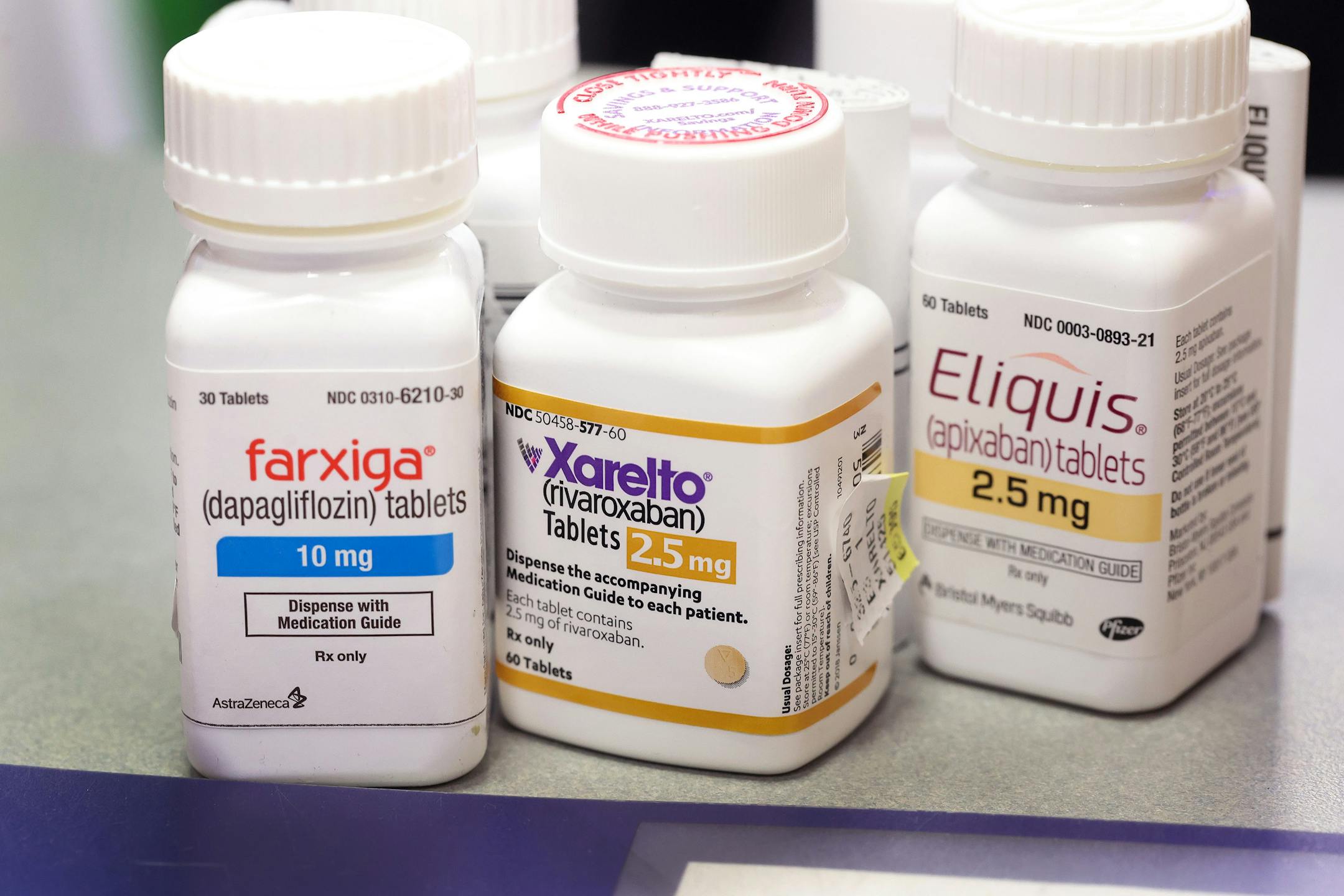
The answer, of course, is complicated because of how complicated the nation's health care system is. But part of the solution likely lies in the reason that Januvia garnered headlines recently. It's one of the first 10 drugs selected for Medicare price negotiation — a historic and necessary attempt to rein in medication costs by leveraging the federal government's vast purchasing power.
Medicare is the federal program that provides medical coverage for those 65 and up. About 1.1 million Minnesotans rely on the program. Nationally, the program serves 66 million Americans.


