

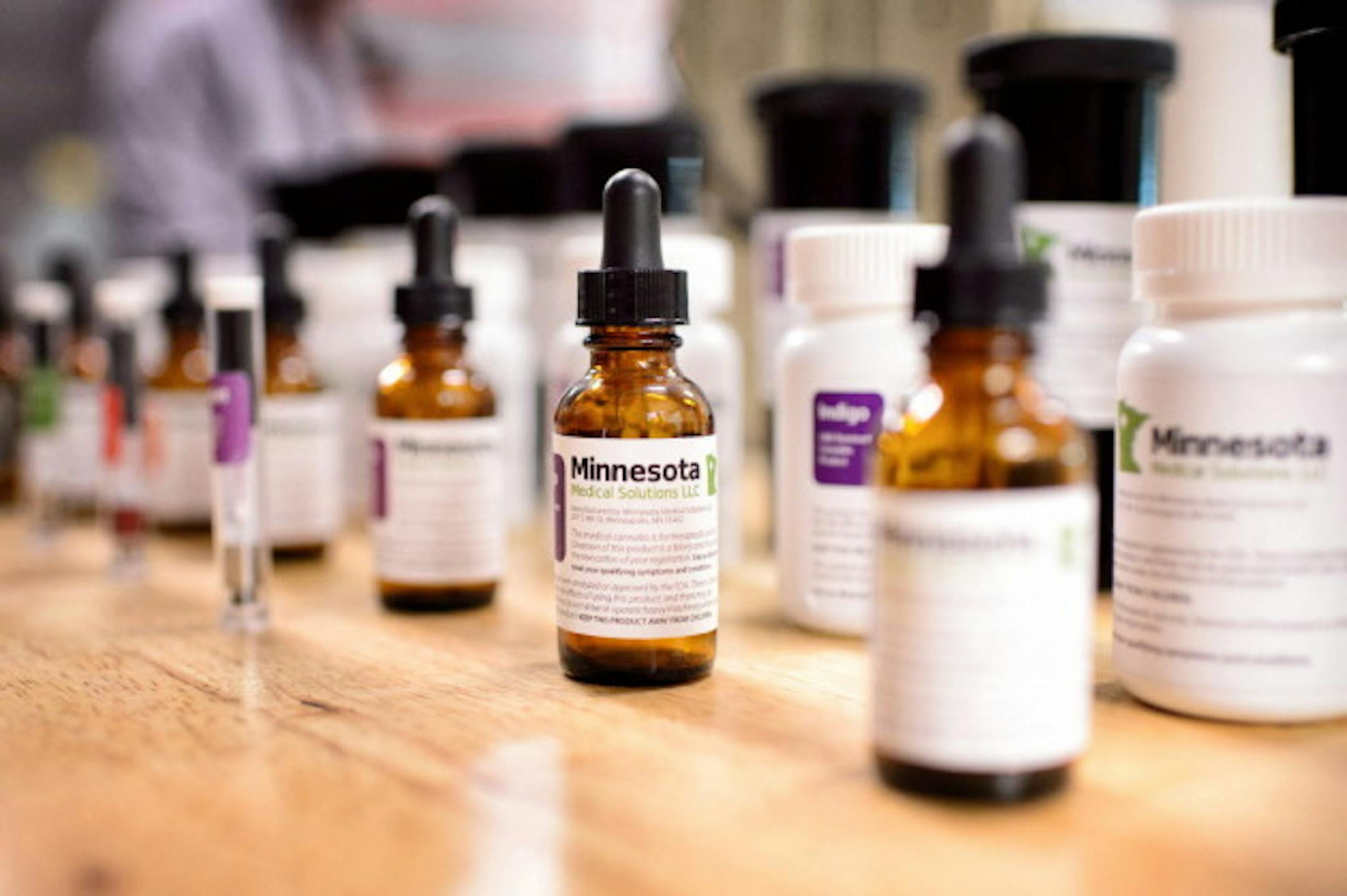
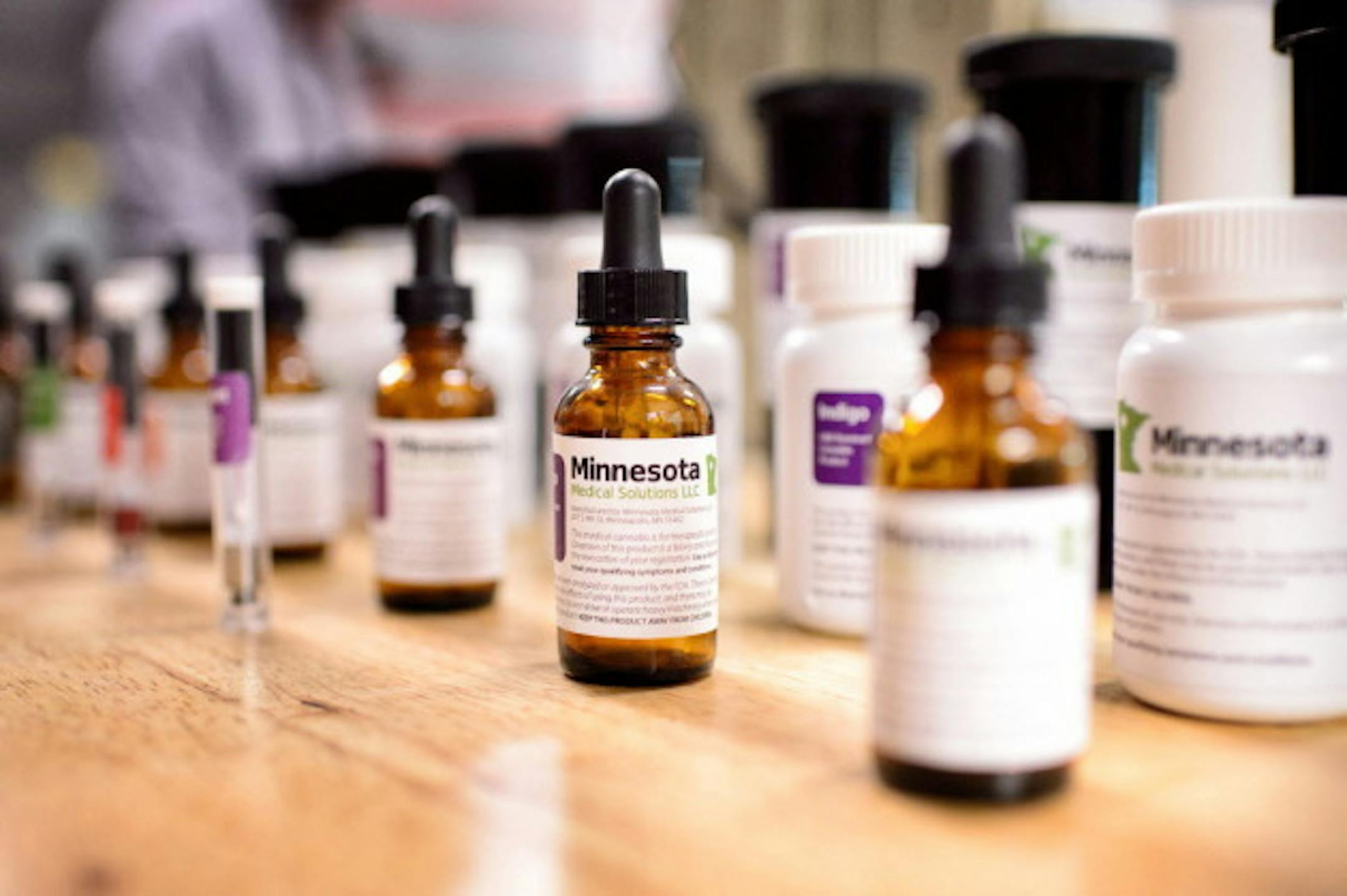
Two weeks before the launch of Minnesota's medical marijuana program, there are more doctors signed up for the program than patients.
As of Friday, the state had enrolled 14 patients in the program and 65 in all had been certified by their doctors to participate.
By the end of the same two-week enrollment period, 162 health care practitioners had contacted the state Office of Medical Cannabis to enroll patients in the program and 70 of them had been registered by the Health Department.
While there are a growing number health care workers willing to help patients sign up for the new program, patients may not know how to find them. The Health Department does not release the names of the doctors, nurses and other healthcare workers willing to certify patients, which makes it difficult for patients to get a referral if their primary care physician opts out of the program.
Medical cannabis will be legal in Minnesota on July 1. But before patients can get access to the medication, they need to find a health care practitioner willing to certify that they have one of nine qualifying conditions:
- Cancer associated with severe/chronic pain, nausea or severe vomiting, or cachexia or severe wasting.
- Glaucoma.
- HIV/AIDS.
- Tourette Syndrome.
- Amyotrophic Lateral Sclerosis (ALS).
- Seizures, including those characteristic of epilepsy.
- Severe and persistent muscle spasms, including those characteristic of Multiple Sclerosis.
- Crohn's disease.
- Terminal illness, with a life expectancy of less than one year, if the illness or treatment produces severe/chronic pain, nausea or severe vomiting, cachexia or severe wasting


