
Opinion | UCare’s collapse is a warning light for our health care system

Our insurance markets are fragile, and Minnesotans need stability.

December 19, 2025 at 7:30PM
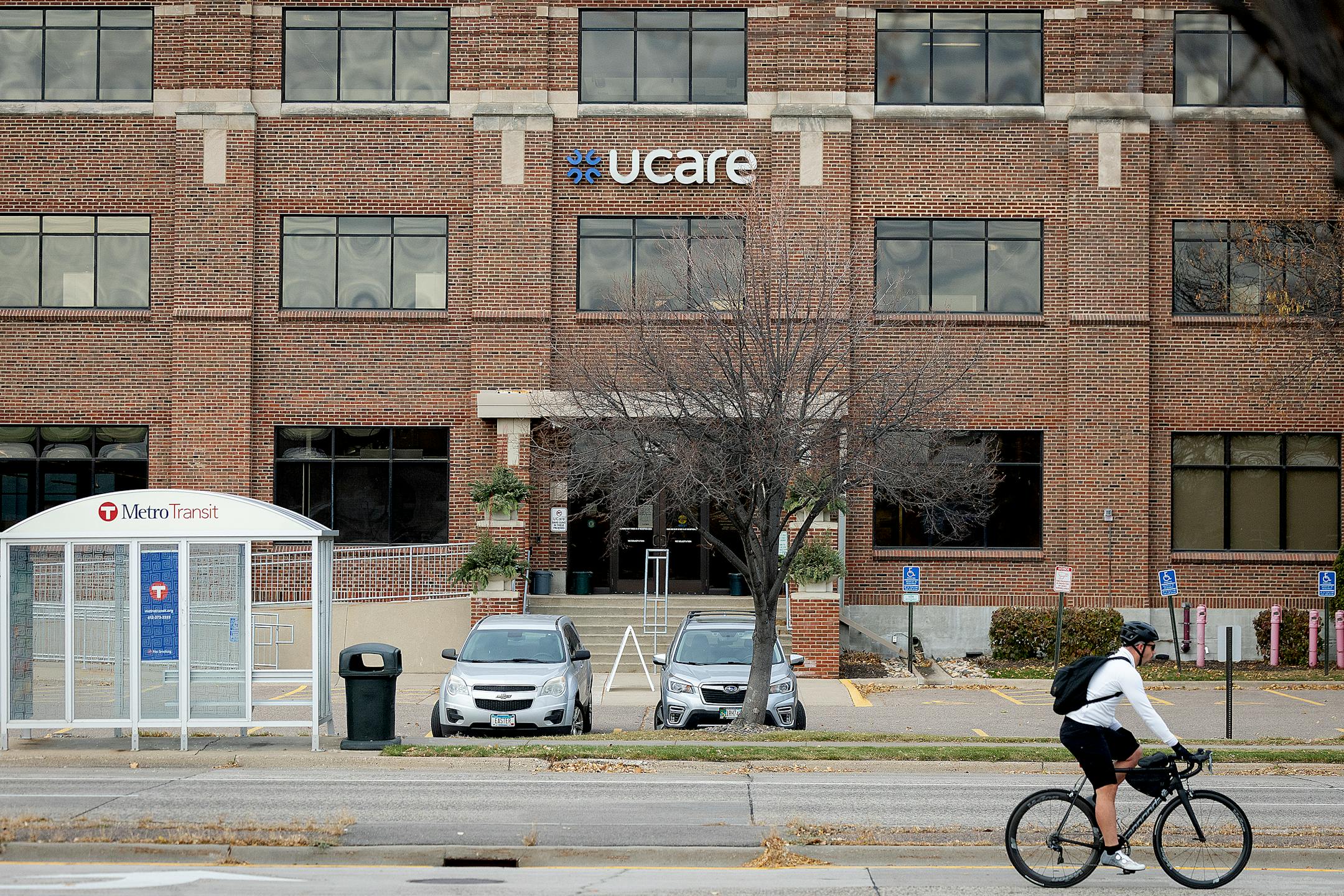
The exterior of the UCare headquarters building: If a mission-driven organization like this one cannot survive, writes Matt Klein, something fundamental is breaking. (Elizabeth Flores/The Minnesota Star Tribune)

Opinion editor’s note: Strib Voices publishes a mix of guest commentaries online and in print each day. To contribute, click here.

•••

Minnesota received deeply troubling news last month: UCare, a nonprofit insurer that has served our state for more than 40 years, is entering the final chapter of its existence. After months of significant deterioration in the company’s finances, the Minnesota Department of Health has petitioned Ramsey County District Court to place the company into “rehabilitation,” a status that would allow the state to assume control of its operations and oversee an orderly wind-down. Medica is poised to acquire UCare’s remaining Medicaid and MNsure business, but the truth is unavoidable: One of Minnesota’s most respected health plans has become insolvent.

This development is not simply the story of one company. It is a red flashing warning light for our entire health care system.

As both a practicing physician and the chair of the Minnesota Senate Commerce Committee, I see the fragility of our insurance markets from two sides of the same crisis. In hospital hallways, I witness the consequences when patients delay care until they reach the emergency room — the most expensive setting we offer. In the policymaking arena, I see insurers squeezed by unsustainable cost pressures, aggressive federal cuts and the mounting financial demands of covering complex patients.

UCare has long been known as a mission-driven organization that embraced those challenges. It partnered closely with clinicians, invested in communities, and covered some of the state’s most medically and socially complex enrollees. When a plan like that cannot survive in today’s marketplace, something fundamental is breaking.

National forces are certainly part of the story. Medicaid-managed care organizations across the country are posting sharp losses as medical costs outpace federal reimbursement. Medicare Advantage plans, once the profit centers of the insurance world, are now contracting, reducing benefits or exiting states entirely.

But Minnesota faces an additional threat: the sweeping Medicaid cuts enacted this year by President Donald Trump and congressional Republicans. These cuts undermine preventive care for families, destabilize hospitals, and push insurers and all health care providers into untenable financial positions. When federal policymakers reduce the resources that keep the system functioning, it is the most vulnerable — seniors, people with disabilities, low-income working families — who bear the consequences. UCare’s collapse may be just the first tremor in a broader wave of disruption.

The details revealed in the state’s petition are stark. Regulators concluded that UCare’s financial condition had become “hazardous” to policyholders and the public. The company was no longer able to meet its debts as they came due. Its board consented to state oversight, acknowledging that UCare would cease writing new policies and begin its formal wind-down. More than 1,000 employees face uncertain futures. More than 150,000 Minnesotans on Medicare Advantage have already been forced to find new coverage. And roughly 287,000 people enrolled in Medicaid and MNsure plans will now transition to Medica for continuity of care.

This is one of the largest insurance transitions in Minnesota’s history. If mishandled, the consequences could cascade through hospitals, clinics, disability services, nursing homes and county health systems. That is why the state’s intervention must be steady, transparent and above all focused on the protection of consumers and patients.

We need a health care system where insurers are stable, providers can plan for the future, and patients are not left navigating chaos when a major plan collapses. That begins with restoring and strengthening Medicaid funding. Cutting Medicaid is not fiscal discipline; it is a direct attack on preventive care, mental health, children’s health and long-term care for seniors.

We must also confront the unchecked power of pharmacy benefit managers, whose opaque pricing practices siphon billions from patient care and destabilize payers. And we must accelerate our shift toward value-based care—where reimbursement rewards better health outcomes, not more procedures — so that insurers and providers alike are incentivized to keep Minnesotans healthy.

UCare’s demise is a wake-up call. Minnesota cannot afford complacency. We must act decisively to protect consumers, stabilize our insurance markets and ensure that no Minnesotan loses access to the care they need because the system around them is collapsing.

This transition must be done carefully, transparently and with unwavering attention to the people who remain at the center of it: the Minnesotans whose health and lives depend on getting this right.

Matt Klein, M.D., is a member of the Minnesota Senate and chair of the Minnesota Senate Commerce Committee.

about the writer

about the writer

Matt Klein

More from Commentaries

See More
card image
Elizabeth Flores/The Minnesota Star Tribune

Our insurance markets are fragile, and Minnesotans need stability.

card image
card image