

In the early hours of D-Day 1944, the Allies landed 156,000 troops on the beaches of France, spelling doom for the Third Reich. In Berlin, 756 miles away, night-owl Adolf Hitler slept peacefully through the largest invasion in history. No aide dared awaken the boss with such bad news.
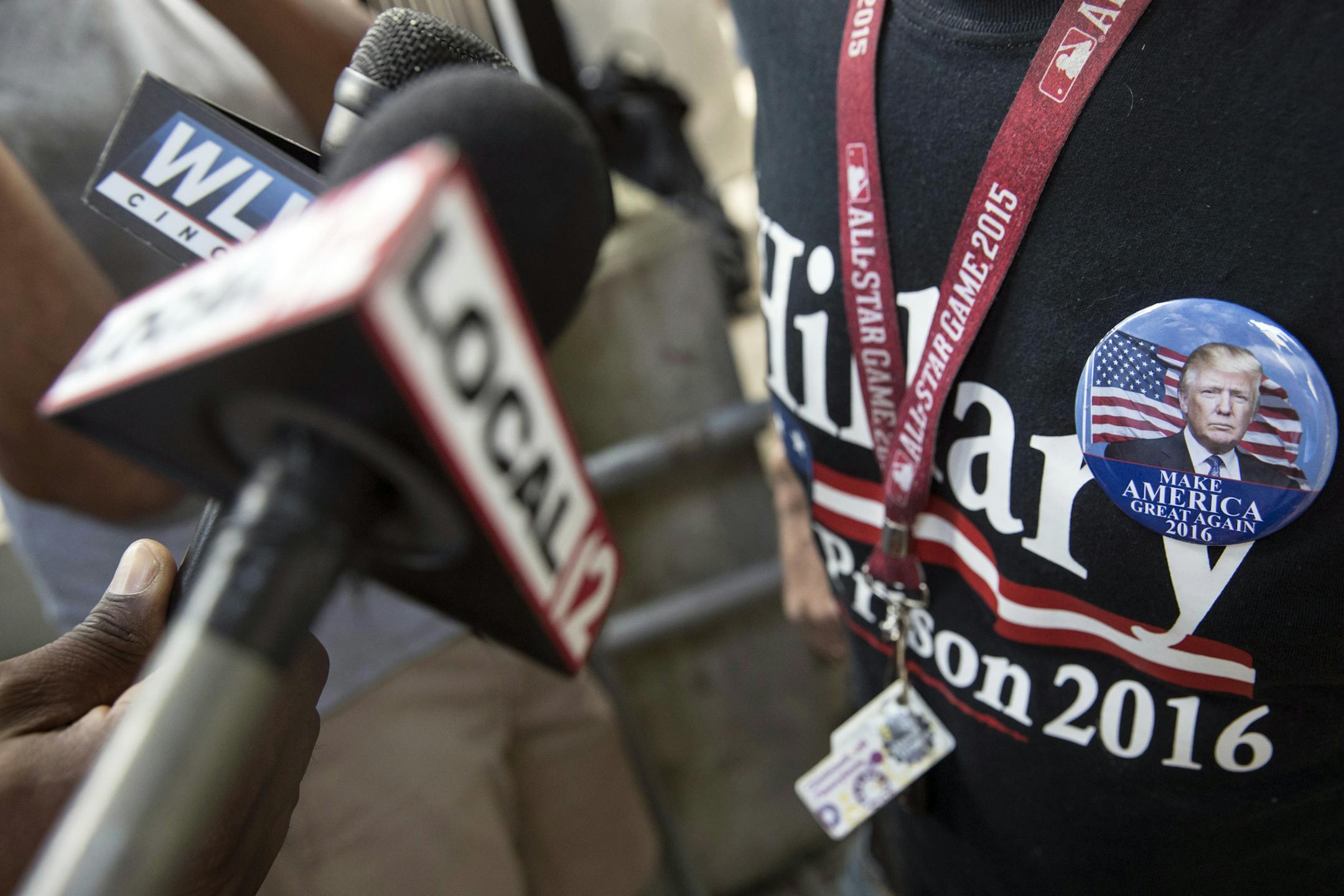
Being a messenger can indeed be unpopular, even dangerous. Ask any member of the modern-day political media covering a most bizarre presidential race. Neither side, nor much of the audience, likes or helps the battered fourth estate do its prescribed constitutional job of political-information purveyor.
Hillary Clinton grants very little access to the press pack covering her, even prohibits cameras filming her boarding the private jet she prefers over a campaign charter.
Donald Trump uses media denunciations as regular speech applause lines, calling some reporters names, mocking their handicap or their questions. He's even banned certain news organizations from rallies, a counterproductive move for a billionaire who boasts of running a campaign largely on free media.
A half-century ago, criticism of the media focused on its penchant for bad news. Hence, Vice President Spiro Agnew's resonant line about "nattering nabobs of negativism."
To be honest, that is pretty much the definition of news; few would read or watch coverage of 150,000 safe airplane landings each day. Neighbors don't gossip about the loving couple with two perfect children who make their mortgage payments on time.
Today is different. The internet created countless competitors for traditional media and countless forums for news consumers to compare reports and share perceived biases. Suspicion of media is rife and rampant.
My experience has taught that media has a built-in bias, less through what it does cover than what it does not cover. Clinton, for instance, escaped much 24/7 exposure over Benghazi because the media tired of it. You won't hear much about the nation's ongoing homeless crisis until several months into the next Republican administration, when editors think to examine it.


