
Medcalf: No better time to read this book, amid ICE surge and protests

The latest choice for our anti-racism book club champions the power of the “gift economy.”

Columnist Icon
The Minnesota Star Tribune
February 7, 2026 at 11:00AM
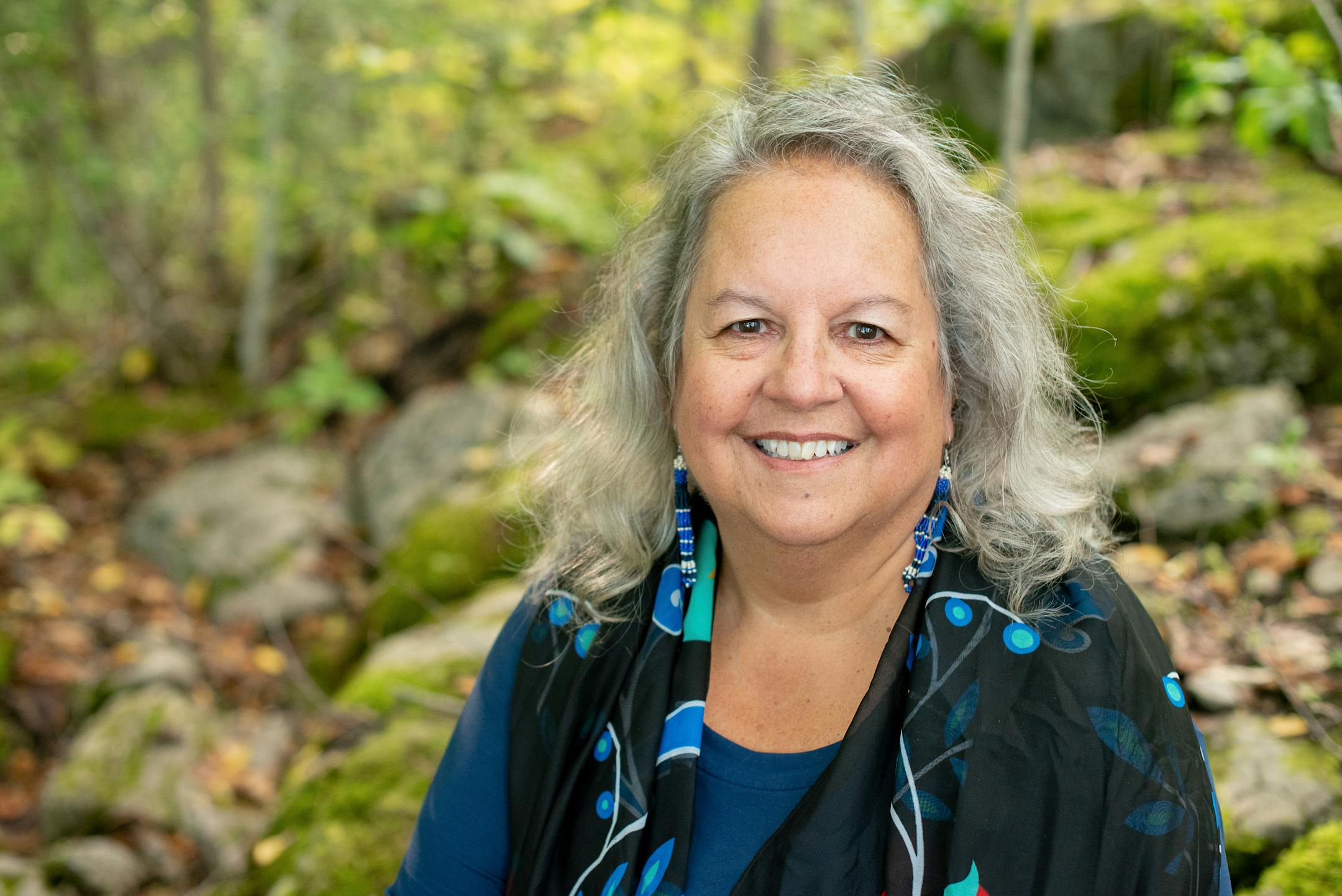
photo of author/botanist Robin Wall Kimmerer
Robin Wall Kimmerer (Scribner)

Robin Wall Kimmerer wants to tell you how berries can bring us all together.

In “The Serviceberry: Abundance and Reciprocity in the Natural World,” the Indigenous scientist and author makes the case that if we reimagine our relationship with the land and the world around us, we can also create a new concept of unity and relationship in a transformative moment.

“In summer, when the boughs are laden, Serviceberries produce an abundance of sugar. Do they hoard that energy for themselves?” Kimmerer writes. “No, they invite the birds to a feast. Come, my relatives, fill your bellies, say the Serviceberries. Are they not storing their meat in the bellies of their brothers and sisters — the Jays, the Thrashers, and the Robins? Isn’t this an economy? A system of distribution of goods and services that meets the needs of the community. … Each member has an abundance of something, which they offer to others.”

Kimmerer’s book is the latest selection for the Mary Ann Key Book Club, in partnership with Hennepin County Library, Friends of Hennepin County Library and the Minnesota Star Tribune. On May 13, I’ll sit down with Kimmerer in our annual author talk at Central Library in Minneapolis.

Her book centers the gift economy, the idea that collective sustainability is more important than individualistic pursuits.

“In a Serviceberry Economy, I accept the gift from the tree and then spread that gift around, with a dish of berries to my neighbor, who makes a pie to share with his friend, who feels so wealthy in food and friendship that he volunteers at the food pantry,” she writes. “You know how it goes.”

We’ve witnessed this movement throughout the Twin Cities during a wave of anti-ICE protests. People are offering food, shelter and services. They’re delivering critical supplies to people who are too afraid to leave their homes. They’re putting their bodies on the line in the name of humanity. If you’re looking for any heroes, you only need to find a mirror. The best of Minnesota has been on display — also, the reality that virtue is the character trait that either separates or unifies us.

Back in 2020, I had an idea to solidify the legacy of Mary Ann Key, my great-great-great-grandmother, and the hidden heroes within the Black and other marginalized communities through this educational effort. Why a book club? My reasoning came from the revolutionary music that was created in the 1960s and 1970s and the songs that not only demanded change but also highlighted the danger of failing to achieve it.

“That was about the fact that the first change that takes place is in your mind,” said poet and musician Gil Scott-Heron, who wrote “The Revolution Will Not Be Televised,” during an interview in the 1990s. “You have to change your mind before you change the way you live and the way you move. So when we said that ‘the revolution will not be televised,’ we were saying that the thing that’s going to change people is something that no one will ever be able to capture on film. It’ll be something that you see and all of a sudden you realize, ‘I’m on the wrong page’ or ‘I’m on the right page but I’m on the wrong note and I’ve got to get in-sync with everyone else to understand what’s happening in this country.’”

I don’t think we could pick a better time than now to introduce a book that centers community in a club named after a woman who felt the same fears that have become the norm in recent months for many of our family members, students, colleagues, neighbors and friends.

Mary Ann Key’s citizenship was in peril in this country, too. As a slave in Georgia and Alabama in the 1800s, she was counted as 60% of an American citizen, part of the Three-Fifths Compromise. She’d been captured and sold as a teenager but her children noted through their letters that she would sometimes sing about her childhood — a childhood that was stolen from her. Her story is relatable today.

The current predicament that involves U.S. Immigration and Customs Enforcement raids, the killings of two Minnesotans and a chaotic chapter has been so disruptive that our teachers are lining up outside their classrooms to protect our children after school.

That’s why I think it’s a great time to host an Indigenous author who has written a book about the land, who owns it, who is responsible for it and how it connects us to our humanity. Because that’s the charge and question now: How important is your neighbor’s safety and well-being?

“The Serviceberry” is a book that aims to highlight the bond we all share.

“I see the potential for a mosaic of economies emerging in the example of my neighbors,” Kimmerer writes. “Yes, they have to pay the bills and are part of the market economy, but they participate in a gift economy at the same time. With every product sold, they add something that cannot be commodified, and that is therefore even more valuable.”

about the writer

about the writer

Myron Medcalf

Columnist

Myron Medcalf is a local columnist for the Minnesota Star Tribune and recipient of the 2022 Society of Professional Journalists Sigma Delta Chi Award for general column writing.

See Moreicon