

In the Black community, grief is a squatter. The unwelcome tenant laughs at our eviction notices. It rebukes our pleas. It even ignores, it seems, our prayers.
But I expect it — despite its callousness — to spare our children. It declines that request, too.
Still, we cannot accept Black children dying in the streets of Minneapolis as the norm. We also cannot accept Black boys settling their differences with guns as ordinary, either.
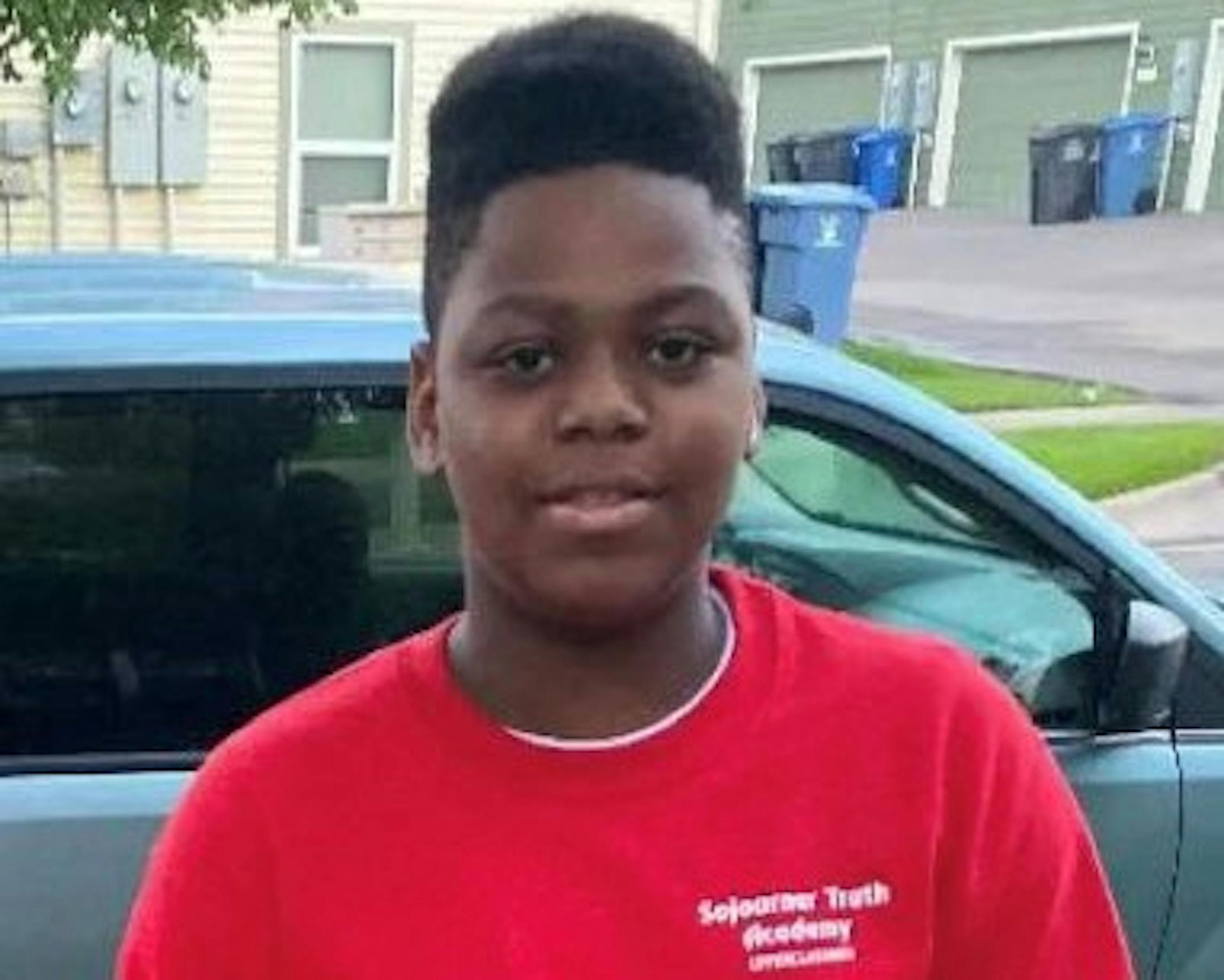
London Michael Bean, 12, was shot and killed on the city's North Side on Wednesday after a dispute with another child. A familiar sequence has followed that tragedy. A preliminary police investigation pointed to an altercation that led to one young man making a decision to shoot and kill another young man. But the young shooter remains at large as a family mourns a child who enjoyed the rides at the State Fair just days before his death. At a Thursday vigil, community leaders called for peace.
Soon, the Twin Cities will move on because the shelf life for public interest in the deaths of Black youths is short. Our tragedies are snippets on a timeline, although multiple groups and individuals here are demanding solutions and searching for answers.
The last year has been defined by politics, policing and activism, and the coming months could reshape a community and the role of policing within it. Those invested in imagining a new world after the murder of George Floyd continue to vie against those who do not believe radical change is necessary. This is a consequential chapter for the entire area. After the votes are cast and officials are elected or reelected and policies and laws are changed — or preserved — I do hope the most important conversation will persist: What about our kids?
Black children in Minnesota continue to lose their lives to gun violence. That's not a Black community problem. It's a Minnesota problem. Any child's upbringing and environment can influence the decisions they will make in the future. But Minnesota wasn't established as a place for Black folks to thrive. The economic, medical and educational disparities have stretched across generations.
That's why the gun is not the first problem. It's just the last and most pivotal problem. It starts at the beginning. Young people, of any background, become more reckless when they are offered few reasons to believe they have bright futures. Tragedy becomes more likely when their access to firearms is not impeded. The police brutality, the violence, the pandemic and the financial devastation bombarding the Twin Cities' Black community right now have only encouraged that unfortunate outlook for some of the young Black men who've decided the gun is a necessary accessory.


