

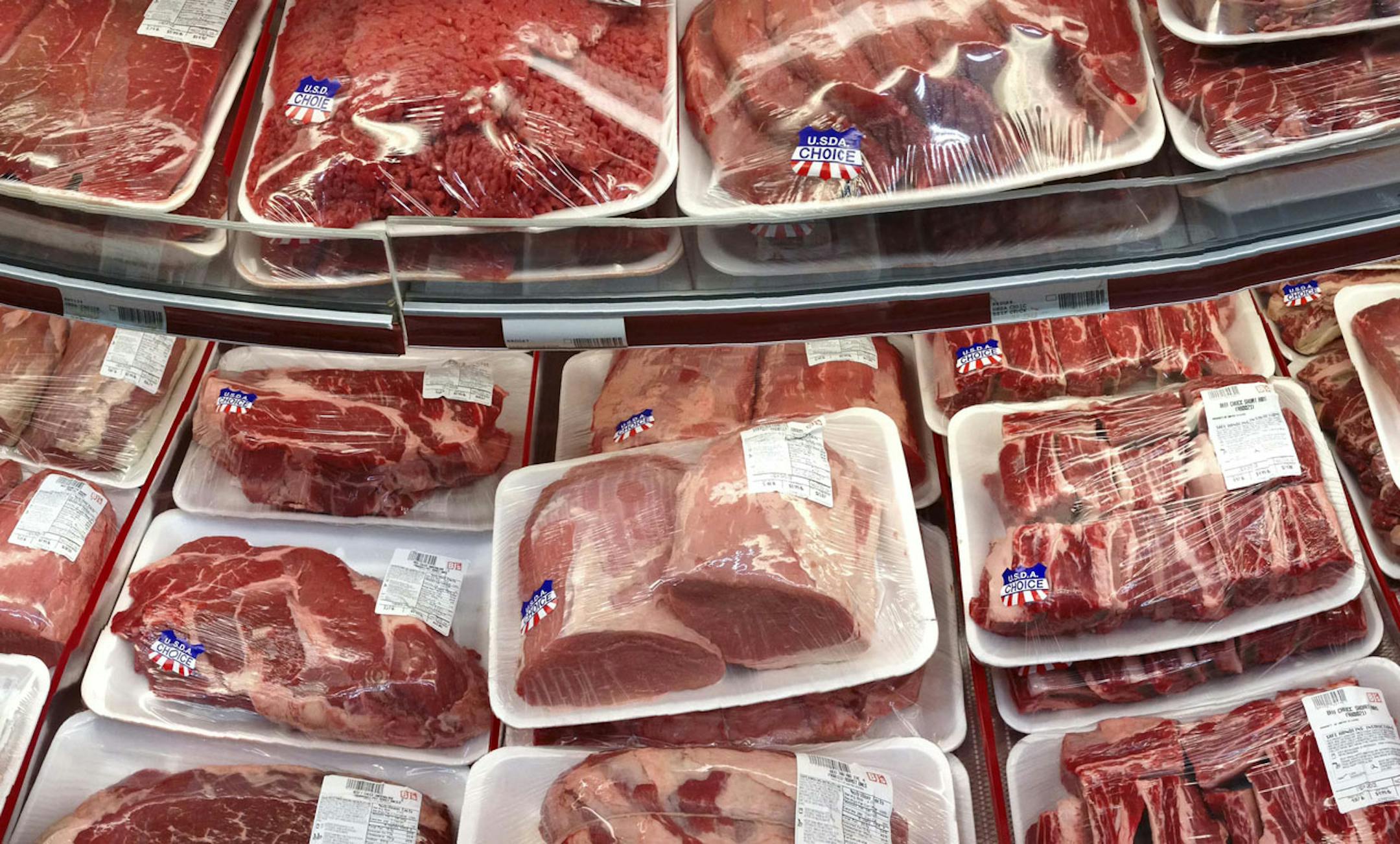
WASHINGTON – The language is tucked into a paragraph on page 13 of Division A of the 1,600-page Consolidated and Further Continuing Appropriations Act, 2015, better known as the federal budget.
It requires the secretary of agriculture to change a United States meat labeling rule to comply with a World Trade Organization (WTO) decision that brands the rule unfair. The paragraph would eliminate the need for meat producers, packers and distributors to show where the animals used in their products are born, raised and slaughtered.
The paragraph's inclusion in the budget is a testament to the lobbying power of the biggest players in the American meat industry, including Minnesota-based Cargill Inc. and Hormel Foods Corp. Both companies have battled in the courts and Congress against country-of-origin labeling, which both call onerous and ineffective.
Hormel spokesman Rick Williamson said the company "supports the views held by industry organizations such as the American Meat Institute, National Pork Producers Council and the North American Meat Association that the rule will cause consumer confusion, raise food prices, be costly to implement and serve no public health or food safety benefit."
The WTO says the U.S. country-of-origin labeling rule — known as COOL — violates international free trade by requiring extensive record-keeping that discourages U.S. meat processors from buying foreign products. The U.S. will appeal the decision.
But Canada and Mexico, which filed the charges that led to the WTO decision, have already threatened tariffs on hundreds of U.S. products if the rules don't change. Some Minnesota livestock farmers also support the law.
"The country-of-origin labeling piece was put into law for the benefit of family farmers so consumers could know where their food comes from and who they want to support," said Paul Sobocinski, who raises pigs and cattle in southwestern Minnesota. "What we're seeing is the American Meat Institute slip behind the door and put their will forward to undermine the rules.
"Too often corporate power is rising above people, and this is an example."


