1:16
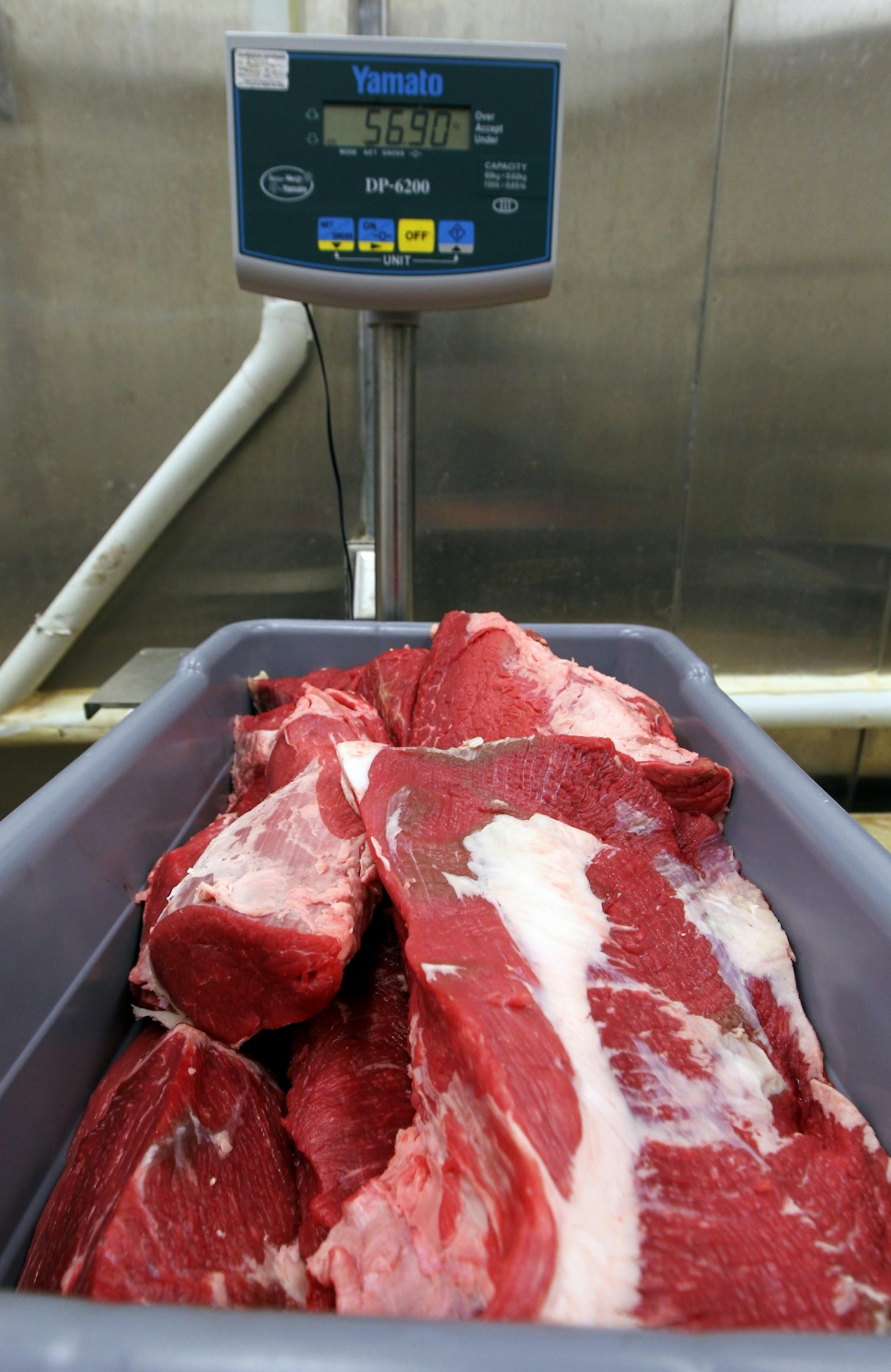
1:16Jason Ertl made quick work with a boning knife, casually separating tenderloin from the side of beef. A few more cuts, one quick pull and the tenderloin was free. Ertl heaved the slab of meat along with all the other cuts onto the table. He picked up his knife and continued his work.
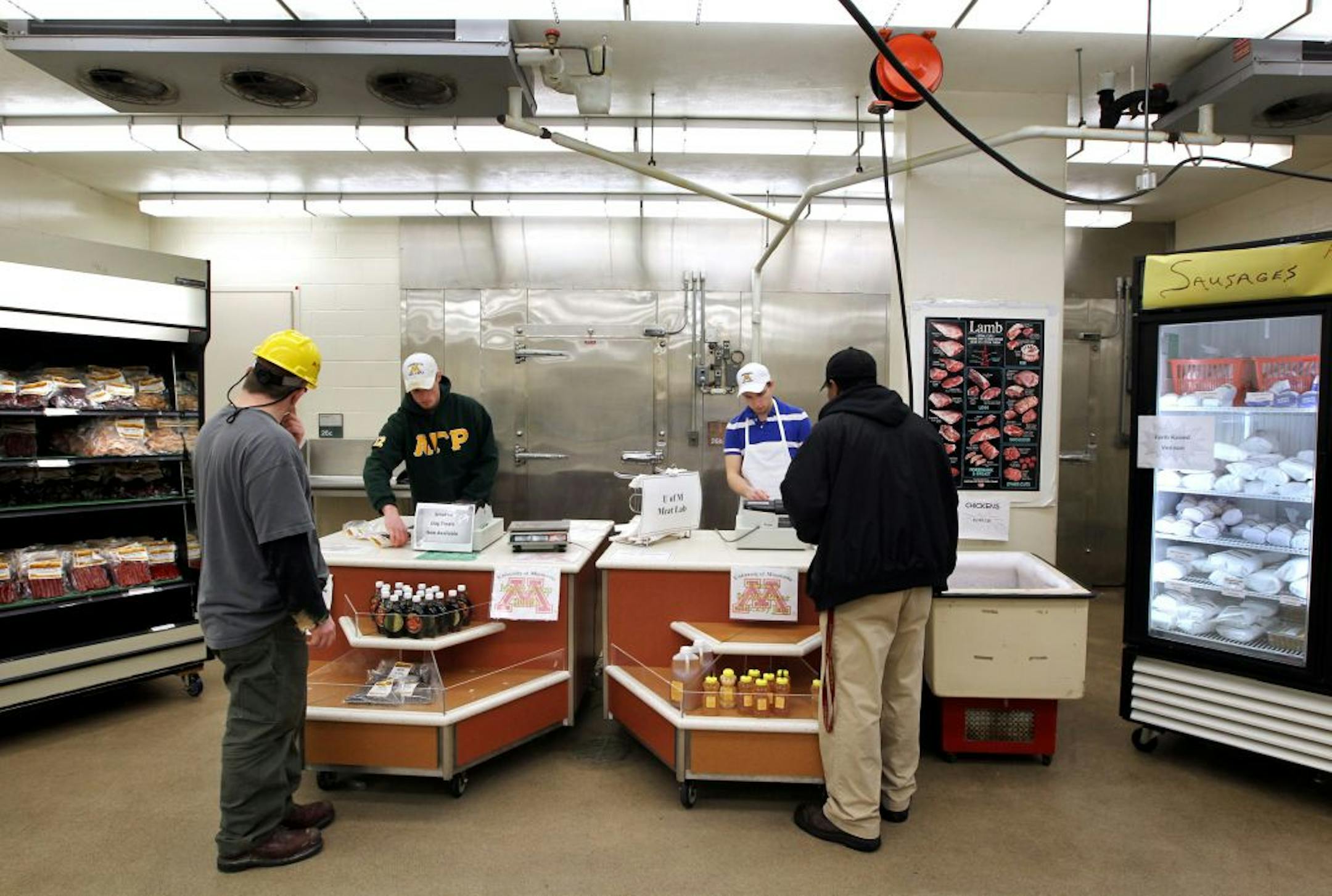
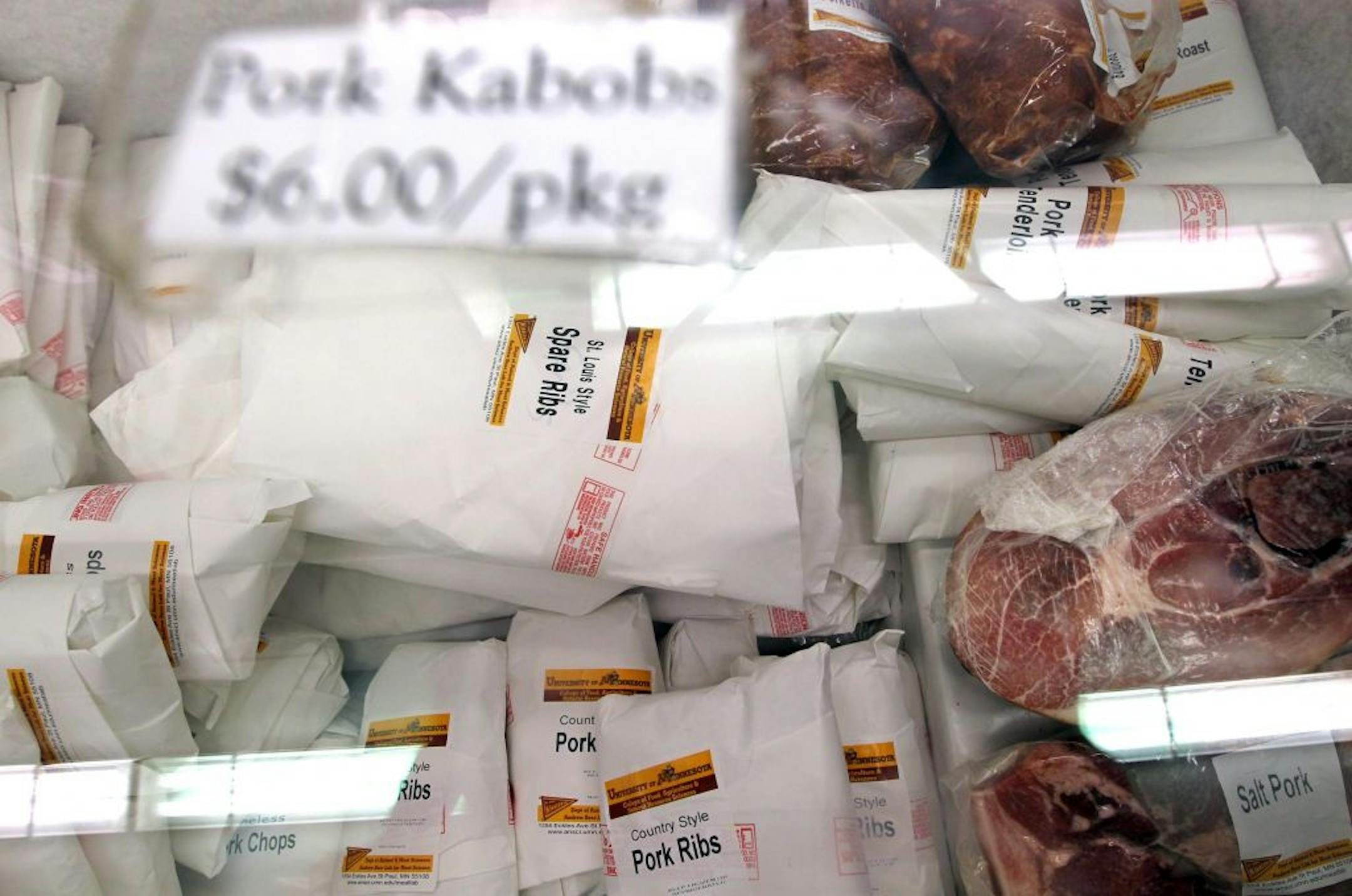
Ertl is a student employee at the University of Minnesota meat lab, set in a drab basement in a St. Paul campus building, where he and his colleagues learn to harvest, cut, package and sell locally raised meat to the public.
In an industry that often relies on assembly lines and mass production, the managers of the meat lab do things differently, teaching student employees about the whole process.
It's part animal science, part age-old craft.
Dr. Ryan Cox, the faculty adviser to the meat lab, said that's the intent.
"There's no such thing today as a modern all-around butcher, where they go from start to finish, where that's something we do teach in our lab," Cox said.
The holistic approach is designed to give students a better understanding of the meat industry. "I kind of know all the steps from raising a newborn calf all the way through slaughter to a retail product," said Kyle Mathews, a student technician who works in the meat lab. "It just gives you a better idea where that meat is going and how it's used."
The majority of the seven to 10 students who work in the lab study animal science and some will work for meat processing companies, teach or return to family farms when they graduate. Their work in the lab adds a technical craft component to a science-based education.