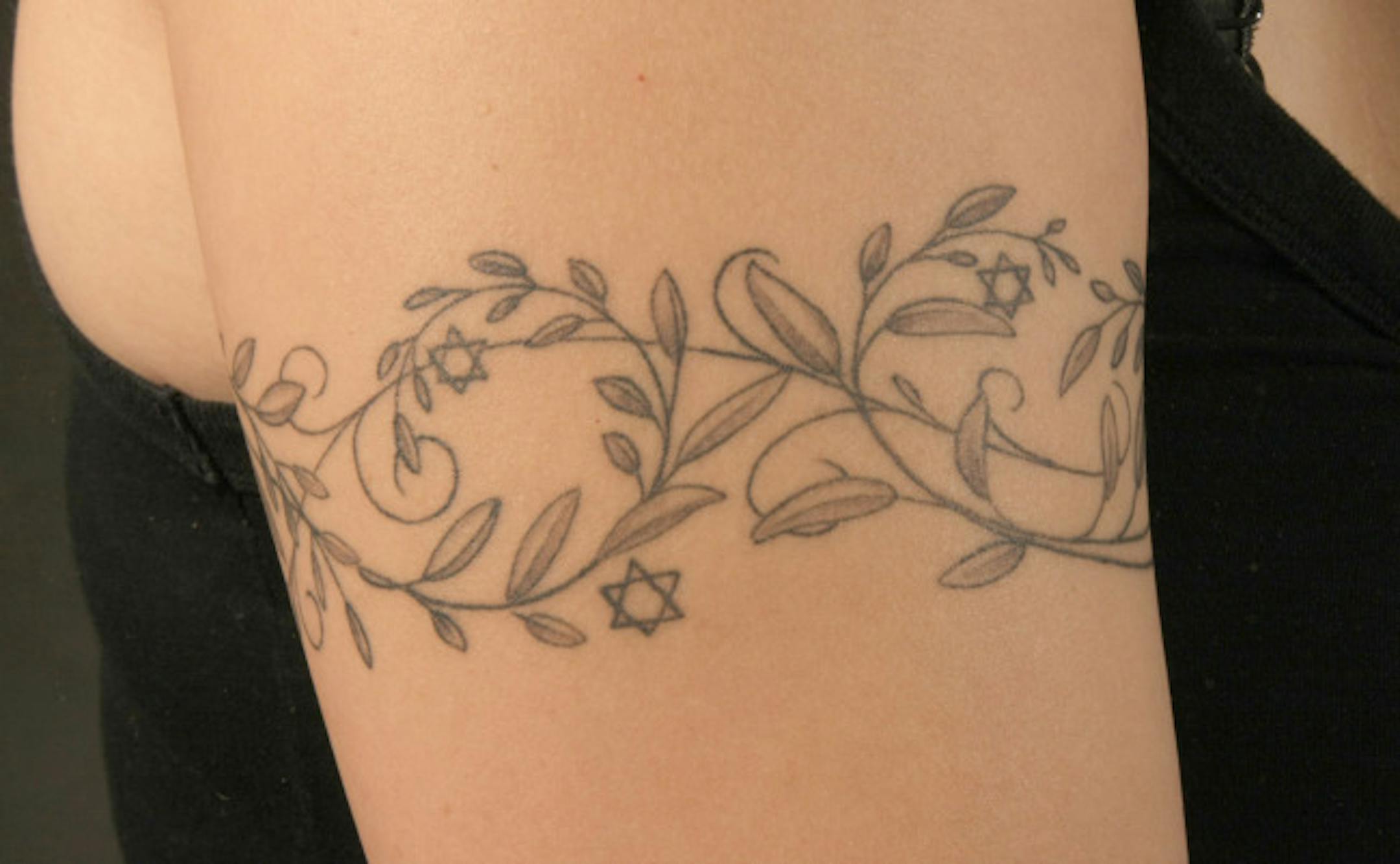
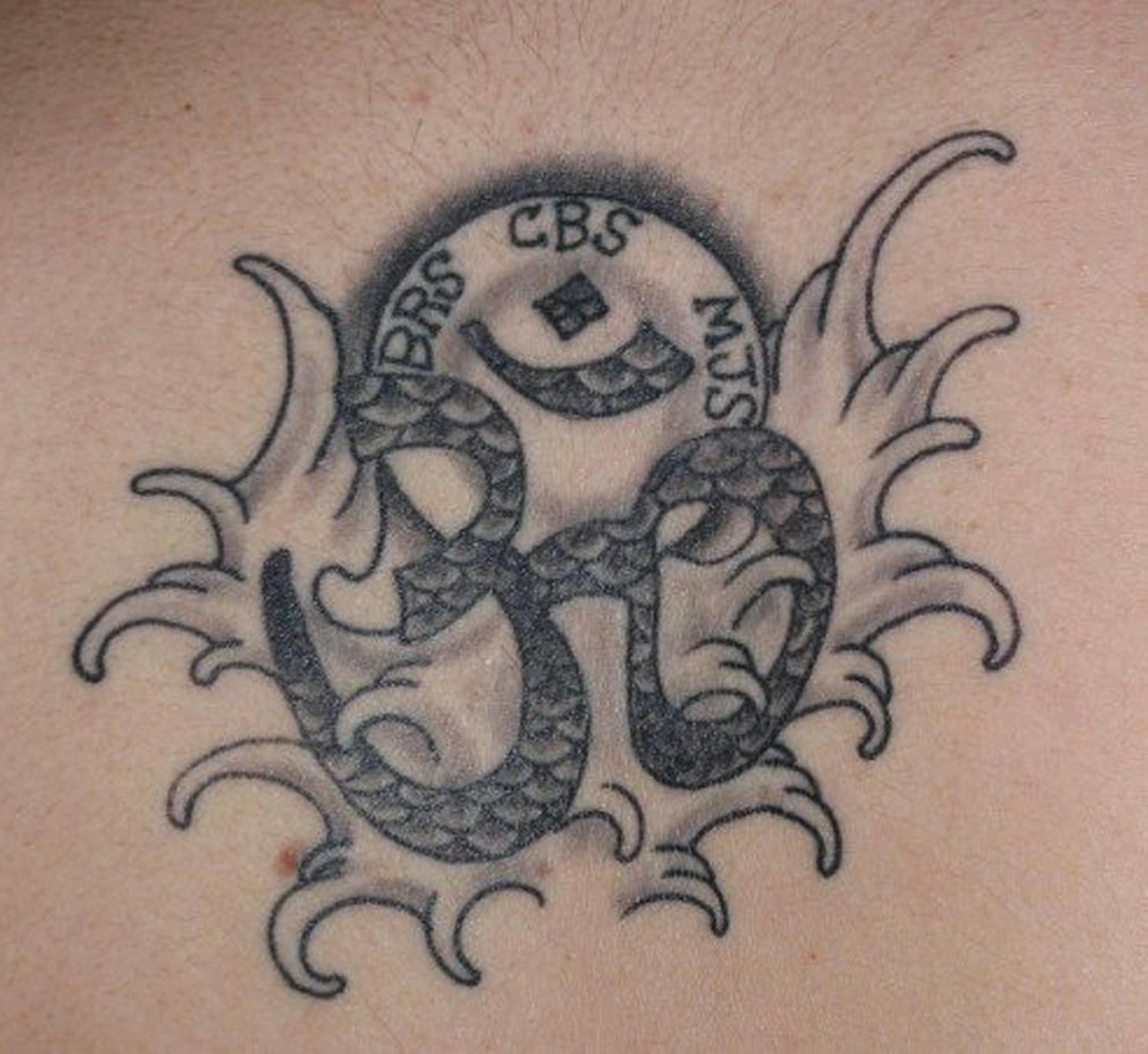
When senior Melanie Teichner walks across the University of Minnesota campus, she is hardly unusual. Yes, she sports two tattoos, but her discreet images are modest compared with many of her fellow students' skin art.
But when she walks into the Hillel, the Jewish student center in Dinkytown, the perspective changes. It's not the tattoos' design or placement that make them significant. It's that she has them in the first place.
Traditional Jewish law bans tattoos, based on Leviticus 19:28: "Ye shall not make any cuttings in your flesh for the dead, nor print any marks upon you: I am the LORD." When they mention the law, many rabbis add the term "voluntary" or "discretionary" to such tattoos in deference to the numbers that were tattooed on Jews in Nazi concentration camps, an association that further darkens the image of the tattoo among older Jews.
But increasing numbers of younger Jews are embracing tattoos, which have shed many of their negative stereotypes -- they no longer are considered the purview of bikers, convicts and drunken servicemen -- and found a foothold in the under-30 set. They have gone from being outlaw symbols to fashion statements. Young Jews, like young non-Jews, are doing what younger generations have done since the beginning of time: ignore their parents.
"The fact that I'm from California and my parents are 2,000 miles away made it a little easier," Teichner admitted of her decision to get her first tattoo, an olive-branch wreath that incorporates the Star of David. That led to her second tattoo, which she got in June. It combines her name in Hebrew with the date of her bat mitzvah and a tribute to her late grandparents.
"My parents didn't like it at first, and my fiancé still doesn't like it," she said. "But to me, that tattoo is really important because it has a lot of symbolism."
Teichner is far from alone in getting Jewish-themed tattoos. And that poses a quandary for some rabbis, who have spent much of their lives facing anti-Semitism. While opposing tattoos on principle, they're buoyed by the young Jews' fervor in flaunting their heritage.
"I'm anti-tattoo because they are against Jewish law," said Rabbi Hayim Herring, executive director of the Twin Cities-based STAR (Synagogues: Transformation and Renewal) program. "But for those of us who grew up at a time when you had to hide your Hebrew name, to have these people proclaim their heritage in public says to me, 'Boy, we've come a long ways!'"