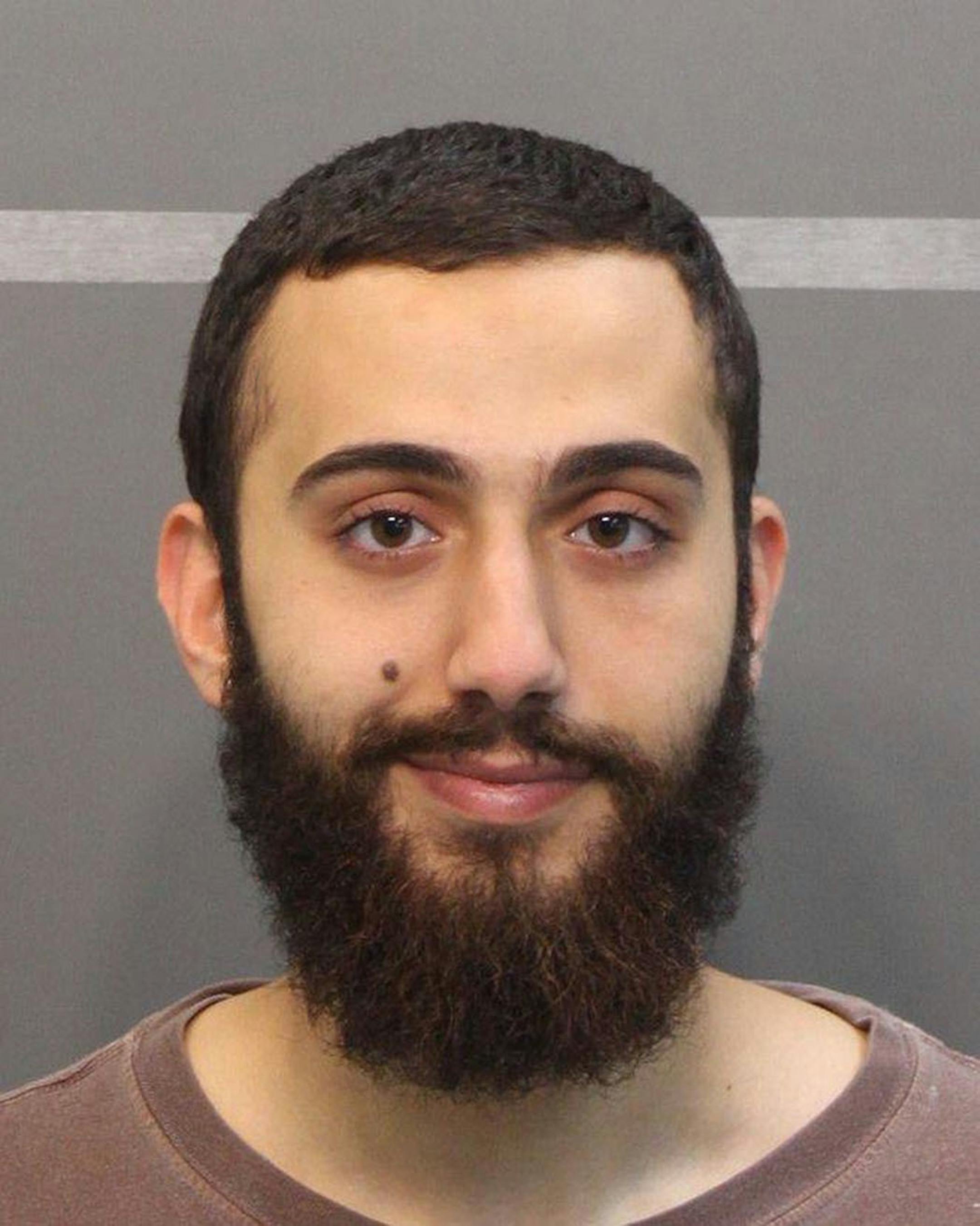
CHATTANOOGA, Tenn. — Federal investigators on Friday dug into the background and travels of the 24-year-old gunman who they say killed four Marines in an attack on two military sites here, focusing on a seven-month trip he made last year to Jordan and scouring his electronic trail in search of a motive for the killings.
The crucial, unanswered question was whether Mohammod Youssuf Abdulazeez, a naturalized U.S. citizen who was born in Kuwait, came into contact with, or was inspired by, any Islamist extremist groups, intelligence officials said.
Federal agents flew Abdulazeez's computer, cellphone and other electronics to Washington for forensic analysis of his communications. They also worked with local law enforcement following up on 70 leads about his activities, and they asked intelligence services in Jordan and Kuwait about his movements there.
Abdulazeez, who was killed in a gunbattle with the police during Thursday's attack, was the son of Palestinians from Jordan, and made several trips to Jordan and Kuwait, where he had relatives, officials said, but he spent most of his life in southeastern Tennessee, and graduated from college here with a degree in engineering.
"We are exploring all travel he has done, and we have asked our intelligence partners throughout the world to provide us with any information they may have as to travel and activities," said Edward W. Reinhold, the agent in charge of the Knoxville office of the FBI, which is leading the investigation. "It would be premature to speculate on exactly why the shooter did what he did. However, we are conducting a thorough investigation to determine whether this person acted alone, was inspired or directed."
Officials said there was no indication so far of any links to terror groups, leaving them to wonder how a young man with no known history of violence or radicalism turned up Thursday with several weapons, spraying bullets at Americans in uniform. Some "lone wolf" attacks have been carried out by people who had no direct contact with extremist groups, but they were influenced by messages online, like those from the Islamic State urging Muslims to take up arms and attack U.S. military sites.
"This attack raises several questions about whether he was directed by someone or whether there's enough propaganda out there to motivate him to do this," said a senior U.S. intelligence official, who spoke on the condition of anonymity because the investigation was still underway.
A congressional official who was briefed on the investigation said it was not yet clear whether Abdulazeez's computer or communications were encrypted, which would lengthen the time needed to pry clues out of them. Just days before the attacks Thursday, Abdulazeez began a blog where he posted about Islam, according to the SITE Intelligence Group, which tracks international terrorist groups. He at one point compared life to a prison and in another point called life "short and bitter."