"American Spirits," the wonderful exhibit about Prohibition that's been whetting thirsts at the Minnesota History Center for the past two months, is timed to coincide with last month's 80th anniversary of the repeal of the alcohol-banning 18th Amendment to the U.S. Constitution — right?
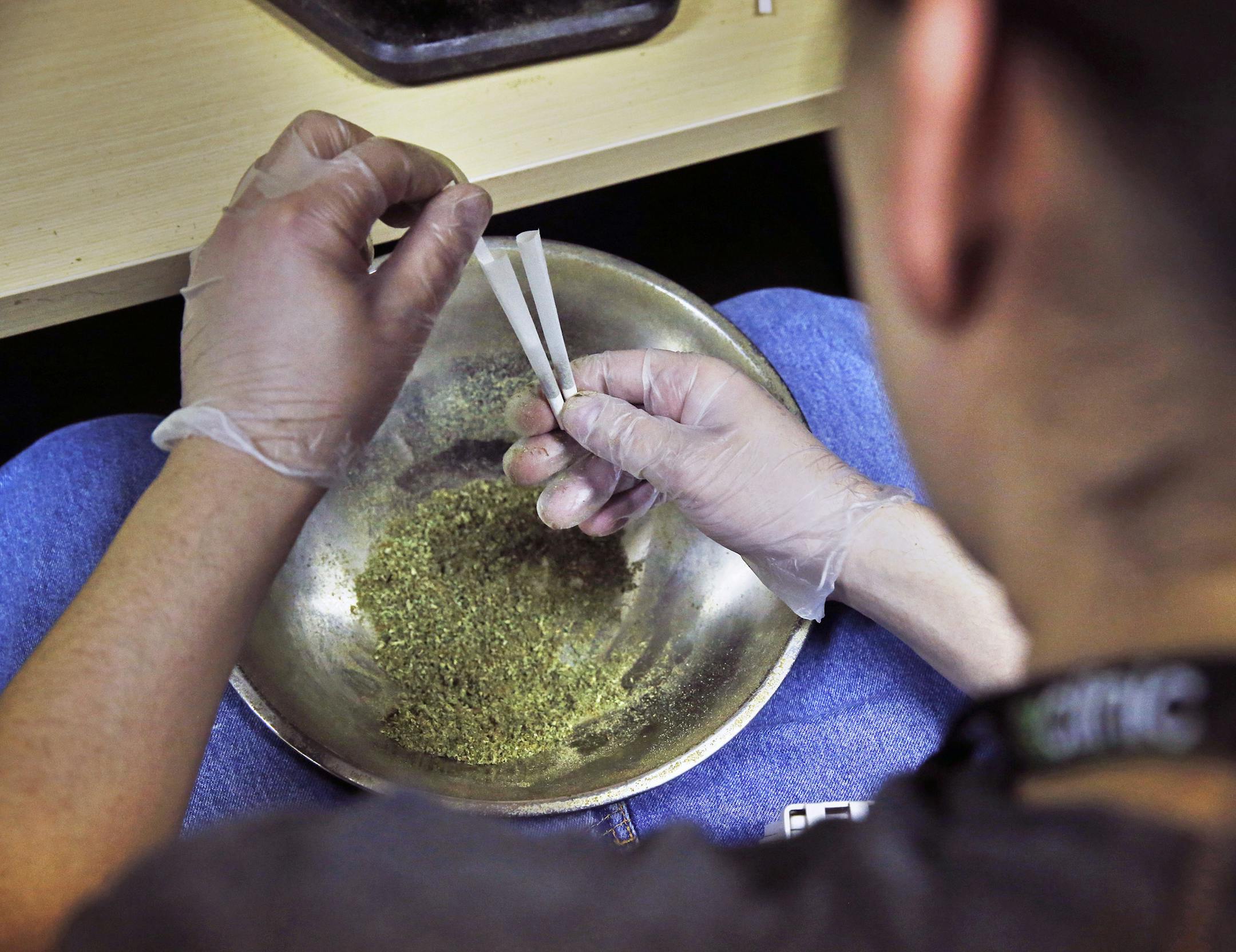
I'm certain its timing has nothing to do with the fact that a bill to allow doctors to legally prescribe marijuana for palliative purposes is awaiting action by the 2014 Legislature. Or that on Jan. 1, Colorado became the nation's first state to legalize marijuana for recreational use, with Washington state soon to follow and more pot-legalization initiatives in the works in a smattering of cities and states.
I didn't even spot the word "marijuana" on my recent visit to the Prohibition exhibit. But the final line on the exhibit's last poster could be read as relevant to the cannabis debate that's gaining steam in Minnesota and the nation. By attempting a nationwide ban on the production, sale and distribution of alcohol, the poster said, "Americans also learned … that the appetites of individuals could not be easily governed."
That lesson certainly applies to pot. It's the most commonly used illegal drug in the country. By one estimate, one out of three Americans have used it at some point in their lives. (Personal disclosure: I'm not among them.)
Intentionally or not, the History Center's Prohibition recap reveals a number of parallels to marijuana. Like alcohol, cannabis was legal to consume in most of the United States in the 19th century. It was legal with a doctor's prescription in many places in the early 20th century. Like alcohol, marijuana's reputation suffered because of its association with immigrants and nonwhite people. Like alcohol, it was finally outlawed by federal action that has proved to be quite ineffective in containing its consumption or crimping its availability. (This exhibit tidbit is telling: New York City alone had a jaw-dropping 32,000 alcohol-serving speakeasies when Prohibition ended.)
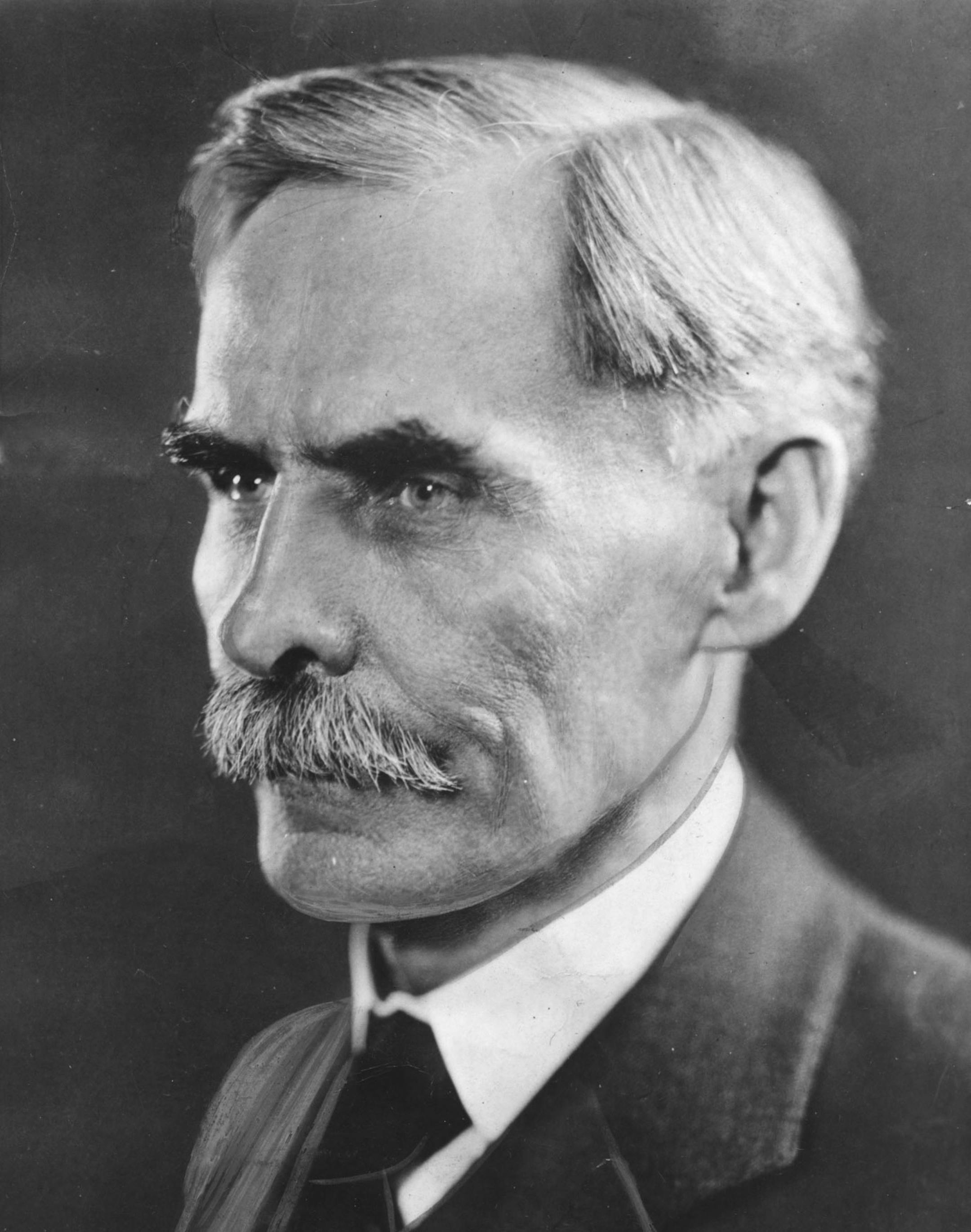
But Americans were quick to sour on Prohibition, particularly on the anti-beer version pushed through Congress in 1919 by Minnesota's own very sober Rep. Andrew Volstead of Granite Falls. (A fierce-looking Volstead, dubbed "Prohibition's public face," glares from a title page in the latest issue of "Minnesota History," the Historical Society's quarterly journal.)
After a dozen years and the onset of the Great Depression, the nation's desire to get the taps flowing and the booze industry hiring and paying taxes again was overwhelming. It took only eight months for the then-requisite 36 states to ratify Prohibition's repeal after Congress sent it to the states in 1933. Restarting beer sales, which had been halted by the Volstead Act rather than by the 18th Amendment, was among the first acts of the 1933 Congress and new President Franklin Roosevelt.
The federal ban on marijuana started less dramatically, as a tax, and didn't come to full flower until 1970, when "flower children" were distressing their elders with their fondness for weed. Not long afterward, Minnesota was one of 10 states in the 1970s to reduce criminal penalties for possession of small amounts of pot, rendering a first-time offense akin to a traffic ticket.