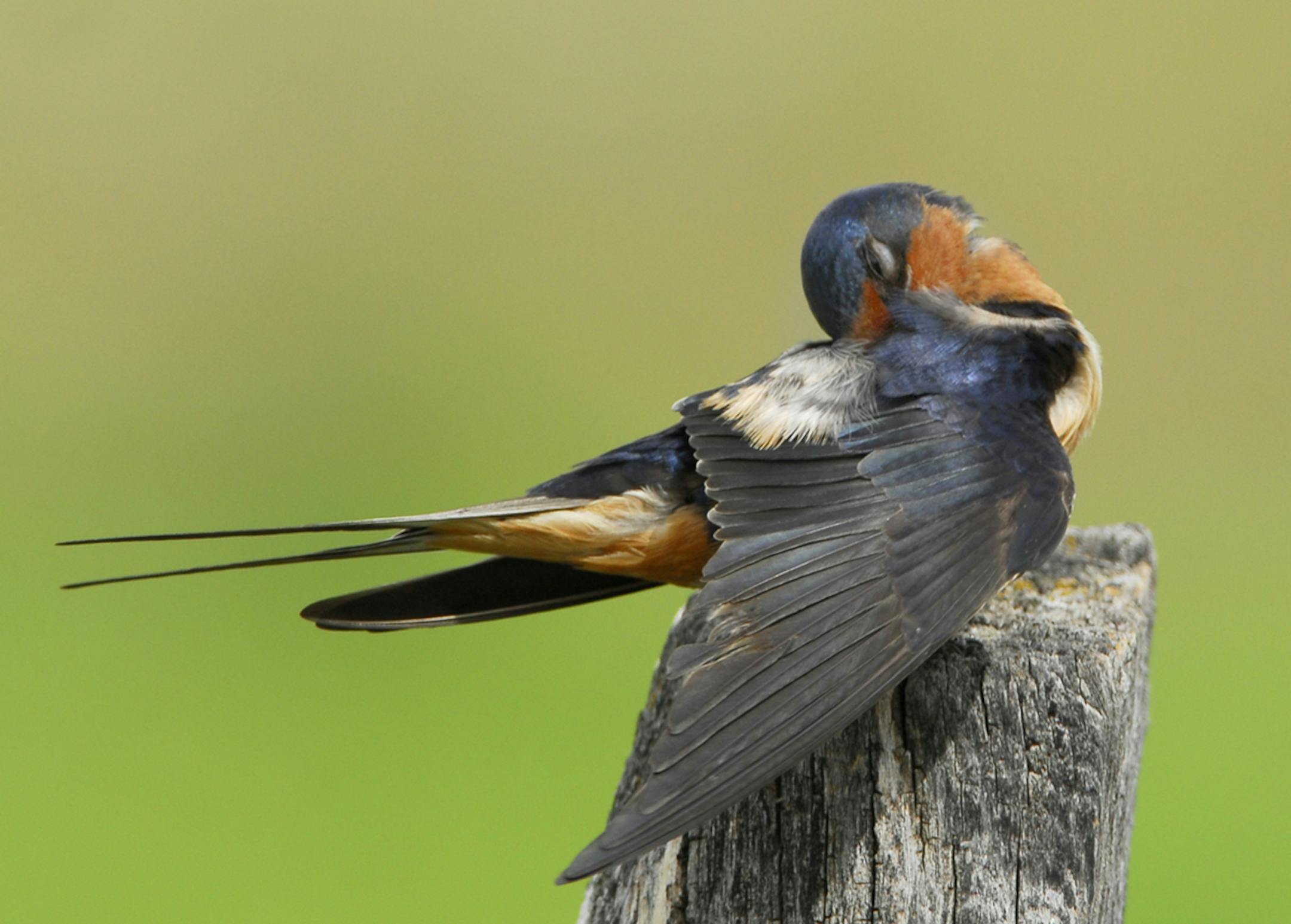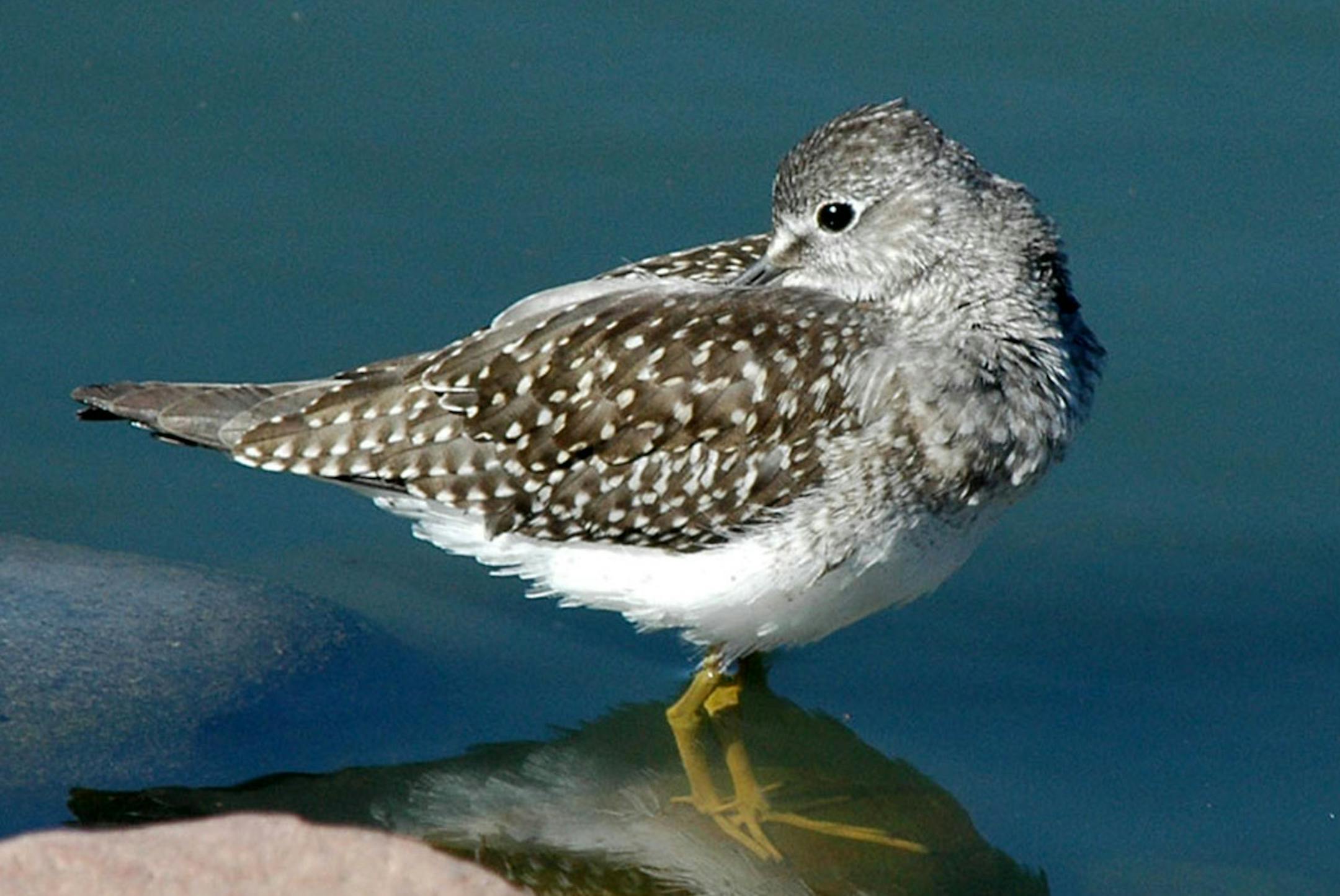
In 1933 a man named Harold Peters contacted bird banders in the eastern half of the country. He asked them to collect the tiny bugs they found crawling on the birds they captured. He wanted examples of lice, mites, ticks and flies.
The pests on that long list are ectoparasites. All birds have them. The bird is where they live.
The 1933 survey was a very small and informal inquiry about how many different species of external parasites could be found on how many different species of birds. This was 82 years ago, but nothing has changed in that relationship.
Peters received 54 species of parasites collected (with tiny tweezers) from 75 species of birds. Lice dominated the parasite list: 41 different species. (And identification is not easy.)
Among birds common to our yards, a house wren carried 31 individuals of two parasite species. A downy woodpecker offered two parasite species, two of one, 11 of the other. A tree swallow had four each of three species; a chickadee, two of one species, eight of another.
Brown thrashers, robins and other thrushes, catbirds and blue jays were at the top of both lists — numbers of parasite species and individuals counted.
Multiple parasites per bird
My friend Tom, who taught high school biology, told me that all mammals have parasites.
I had some external parasites once, briefly. I poked with a stick at an old bird nest above me in a tree. I watched transfixed as hundreds of tiny, leggy creatures floated into my hair. They were lice or mites. I did not take time for identification.