

For 45 years, the United Negro College Fund has used the slogan "A mind is a terrible thing to waste" to promote its efforts to help students attend college.
For Major League Baseball, the slogan might as well be "A pitching arm is a terrible thing to waste" — except its goal is the exact opposite.
With the 2017 amateur draft complete and the July 7 signing deadline less than three weeks away, MLB teams have begun an annual, behind-the-scenes ritual: Offering ballplayers money, sometimes millions, not to go to college. It's a custom that angers NCAA coaches and enriches player agents, but it's been part of the game for far longer than the draft itself.
"It's part of the dilemma that [draftees] face — how much [money] is enough to take you away from an education that will carry you way past baseball?" said Twins manager Paul Molitor, who faced that very decision in 1974, when he didn't sign, and in 1977, when he did. "I don't know how much that has to be. In a lot of cases, it probably depends on how well off the family is."
For first-round picks, the choice isn't difficult. Royce Lewis, the Twins' top pick Monday, broke the franchise record for an amateur contract when he accepted a bonus of $6.725 million.
Experienced college players may be more valuable and less of a risk to the teams that drafted them, but the bonus system works counterintuitively: The option to go to college gives the teenagers far more leverage than college players, particularly seniors, who have nowhere else to go.
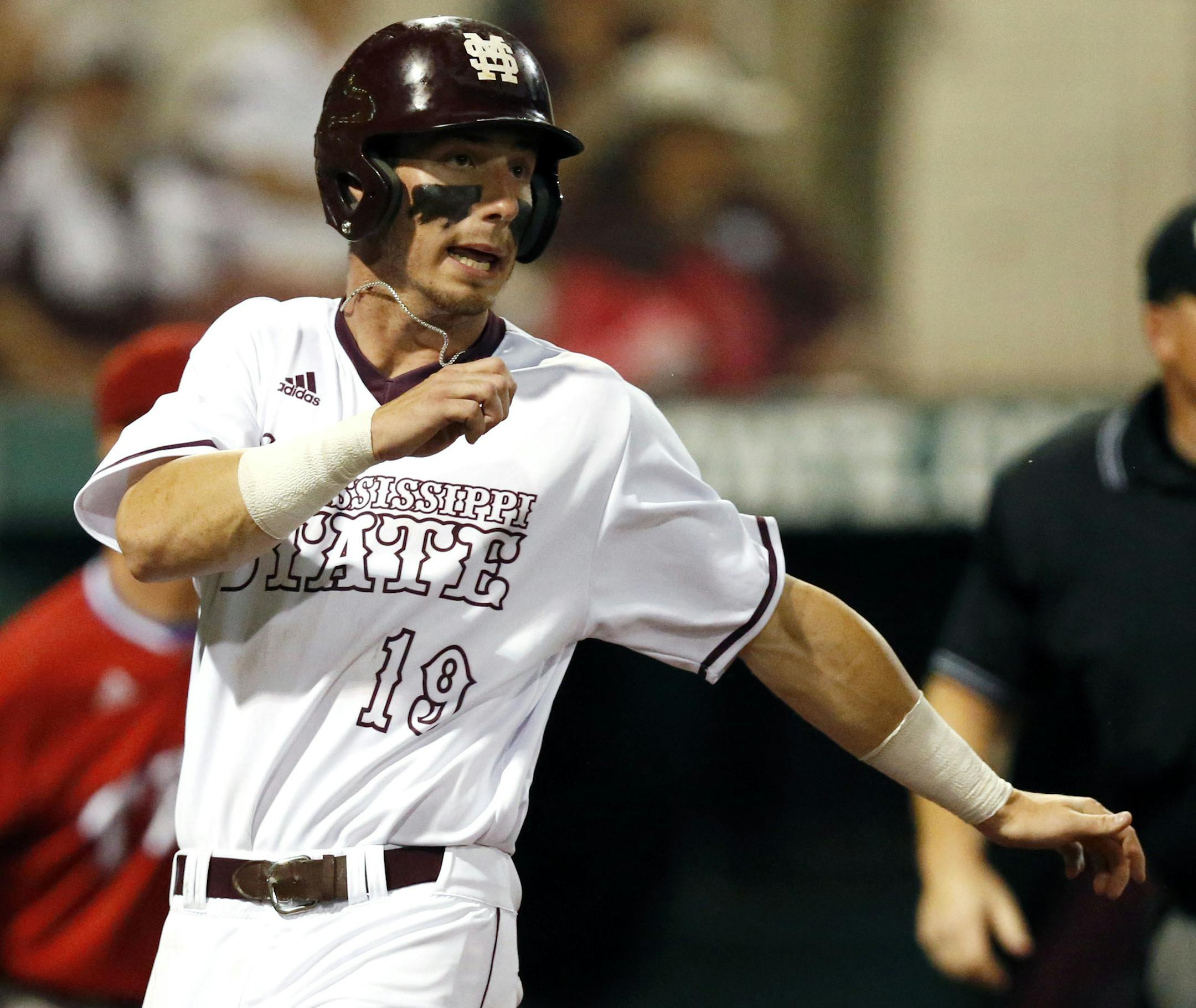
That's why Blayne Enlow, a high school righthander, will receive a reported $2 million from the Twins after being drafted in the third round, about the same amount as sandwich-round pick Brent Rooker, the SEC Player of the Year, despite being chosen 41 picks later. Enlow was planning to play for LSU, and would only give up that dream for first-round money. Rooker's only leverage was returning to Mississippi State, but even if he had another stellar season, he would probably have less leverage next year as a senior.
The later rounds of the draft are filled with high school players called "draft-and-follows" — players teams might or might not make an offer to, depending on budget, other signings or sudden development. Bonuses get as low as $1,000 sometimes, little incentive for players to skip college.


