

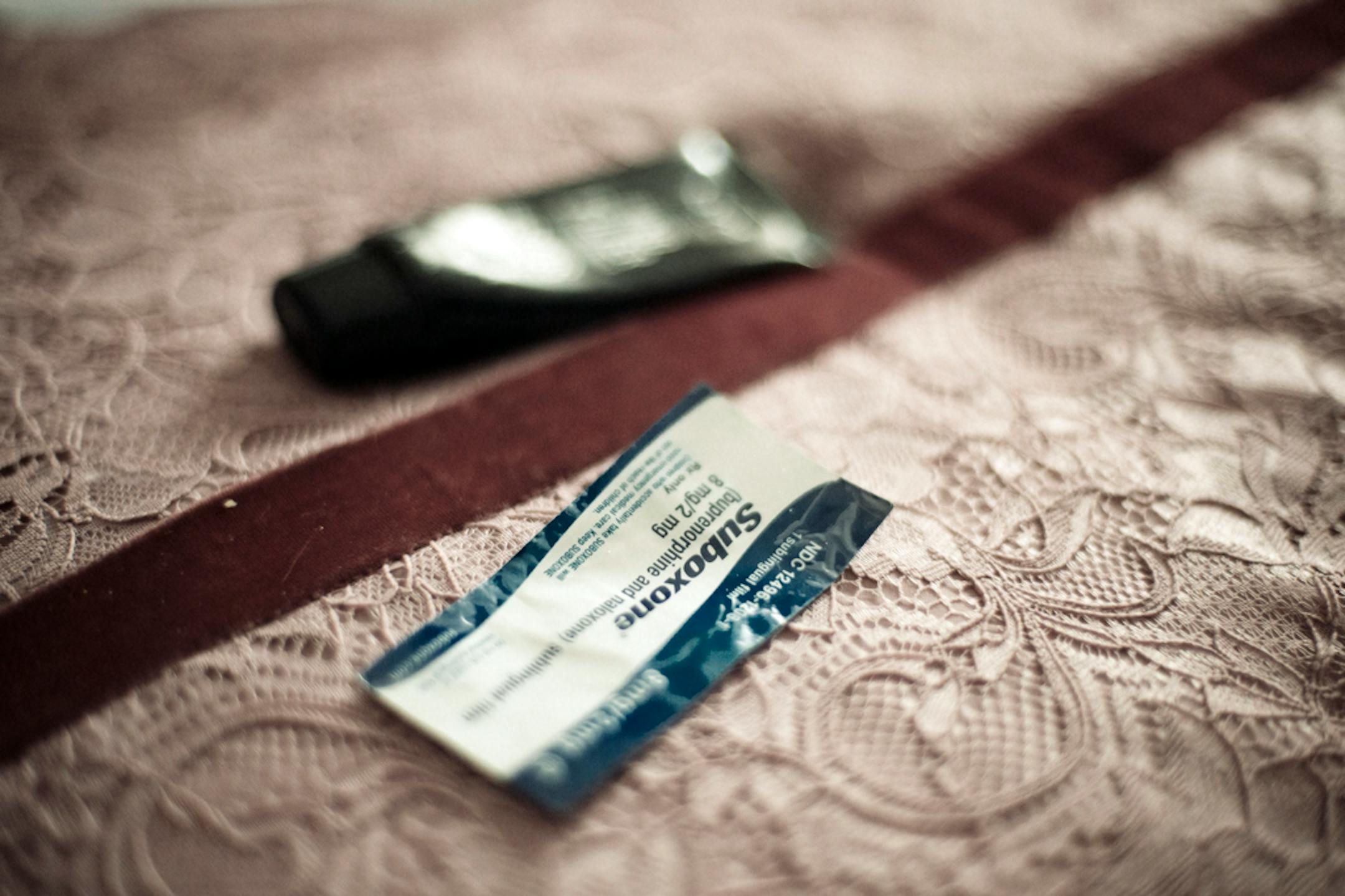
There are nearly twice as many health care providers licensed to prescribe an opioid addiction treatment drug compared to two years ago, as more clinics recognize the need to address the opioid epidemic in their communities.
Yet 32 rural Minnesota counties still lack any providers that have obtained the necessary federal approval to prescribe the drug Suboxone, known as the gold standard for addiction treatment as part of comprehensive recovery effort.
Nearly 560 Minnesota health care professionals can now prescribe the drug, up from 290 in 2018, according to a Star Tribune analysis of federal databases. Those numbers have been buoyed by an increasing number of nurse practitioners and physician assistants who became eligible, joining the ranks of doctors.
"I never thought I would be focusing on addiction medicine in my practice, but I have come to find that I am saving more lives now than I ever did before," said Rachel Pearce, a nurse practitioner at the Altru Clinic in Warroad who got prescribing permission from the U.S. Drug Enforcement Administration (DEA) last year.
"We have not advertised yet and I have already had 21 patients," she said. Most of them came to her unemployed and have since gotten jobs as a result of addiction treatment.
While Minnesota opioid-related deaths have fallen 22% in 2018 to about 330, according to preliminary data from the Minnesota Health Department, there were nearly 2,000 trips to hospital emergency rooms caused by nonfatal overdoses.
The drug, which has the generic name of buprenorphine, is essential to recovery because it reduces the cravings and withdrawal symptoms of opioids, be they pain pills or heroin.
A rocky path
Monica Rudolph dreaded the feelings that came with withdrawal, and she did everything she could to get more heroin to avoid them.


