

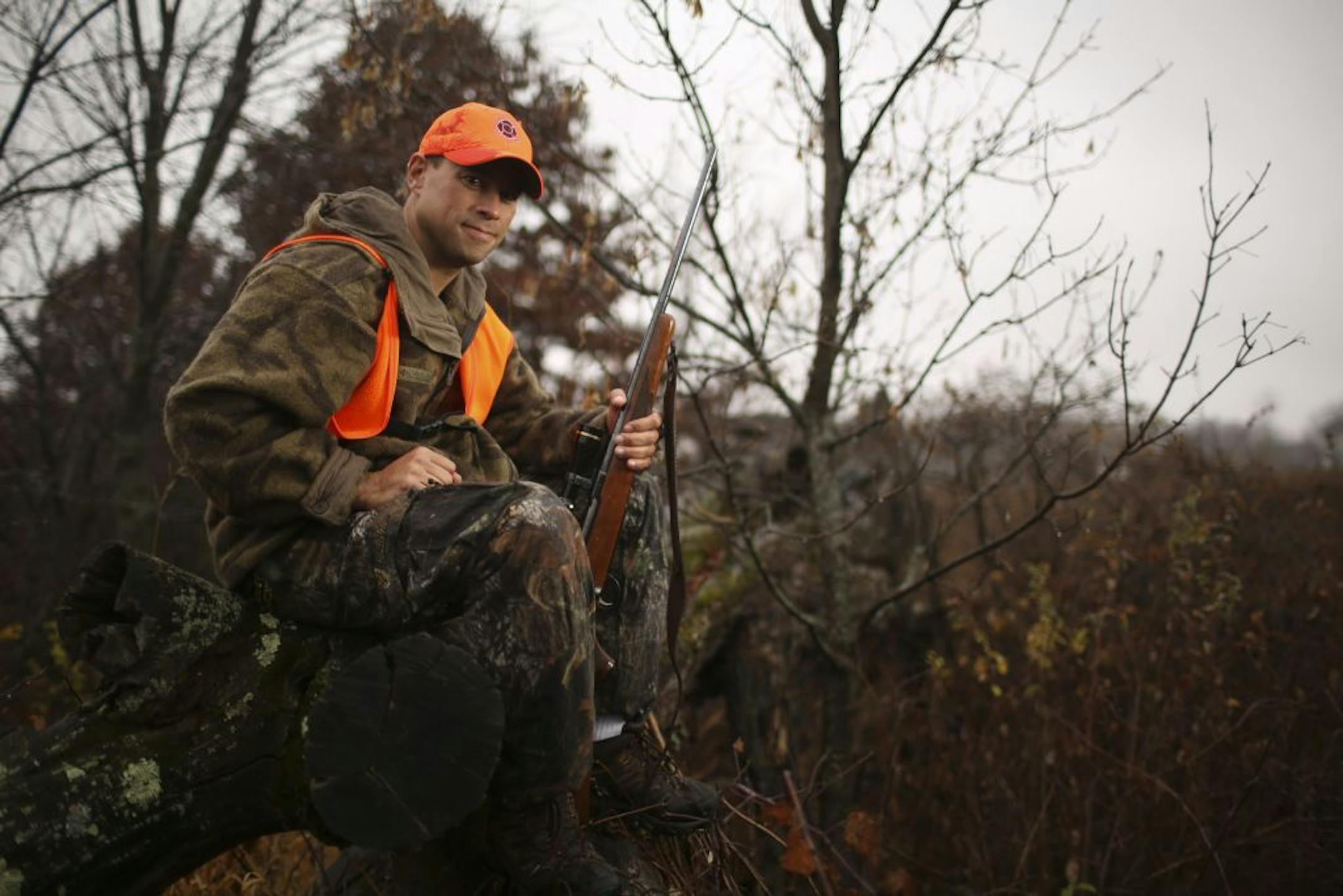
One-half hour before dawn Saturday, wolves will again be hunted in Minnesota. Not like they were a half-century ago, with strychnine and airplane gunners, but by a smattering of deer hunters toting high hopes and high-powered ammunition into the state's north woods.
Mike Lee will be among them. Last year, some of the buddies he hunts deer with just south of Duluth saw a wolf pack run down a doe and kill it.
So he applied for a Department of Natural Resources wolf-hunting permit, and beat roughly 1-in-3 odds to win one of 3,600 permits issued by lottery for the deer season. "I was more than happy to take advantage of the opportunity," said Lee, 40, of Hugo.
But in this most divisive of hunts, which has pitted wolf protectionists nationwide against the Minnesota Department of Natural Resources and many of the state's sportsmen and women, Lee, like most deer hunters with wolf permits, knows it's a long shot he'll even see a wolf from his deer stand -- and a longer shot still he'll shoot one.
That's because wolves, while at times appearing ubiquitous to northern Minnesota livestock producers, remain widely dispersed over the northern third of the state -- only about five animals per 40 square miles -- and because many wolves will "disappear," experts say, and move only at night when 160,000 deer hunters decamp to the state's wolf country beginning Saturday.
"I've thought about it a lot," said DNR wolf specialist Dan Stark of Grand Rapids. "My guess is that about 70 wolves will be taken during deer season, out of a quota of 200."
The number of wolves killed during deer hunting, and the number that fall in a second season that begins Nov. 24 to another 2,400 hunters and trappers, will fuel what is likely to be an ongoing debate about how many wolves inhabit Minnesota.
The DNR uses various data, including annual scent post indices, to estimate the state's wolf population at 3,000. But the animals haven't been fully surveyed for about five years, and groups arguing against the hunt could be bolstered in their view that fewer wolves roam the state than the DNR believes if hunters and trappers fall short of their combined 400-animal harvest quota.


