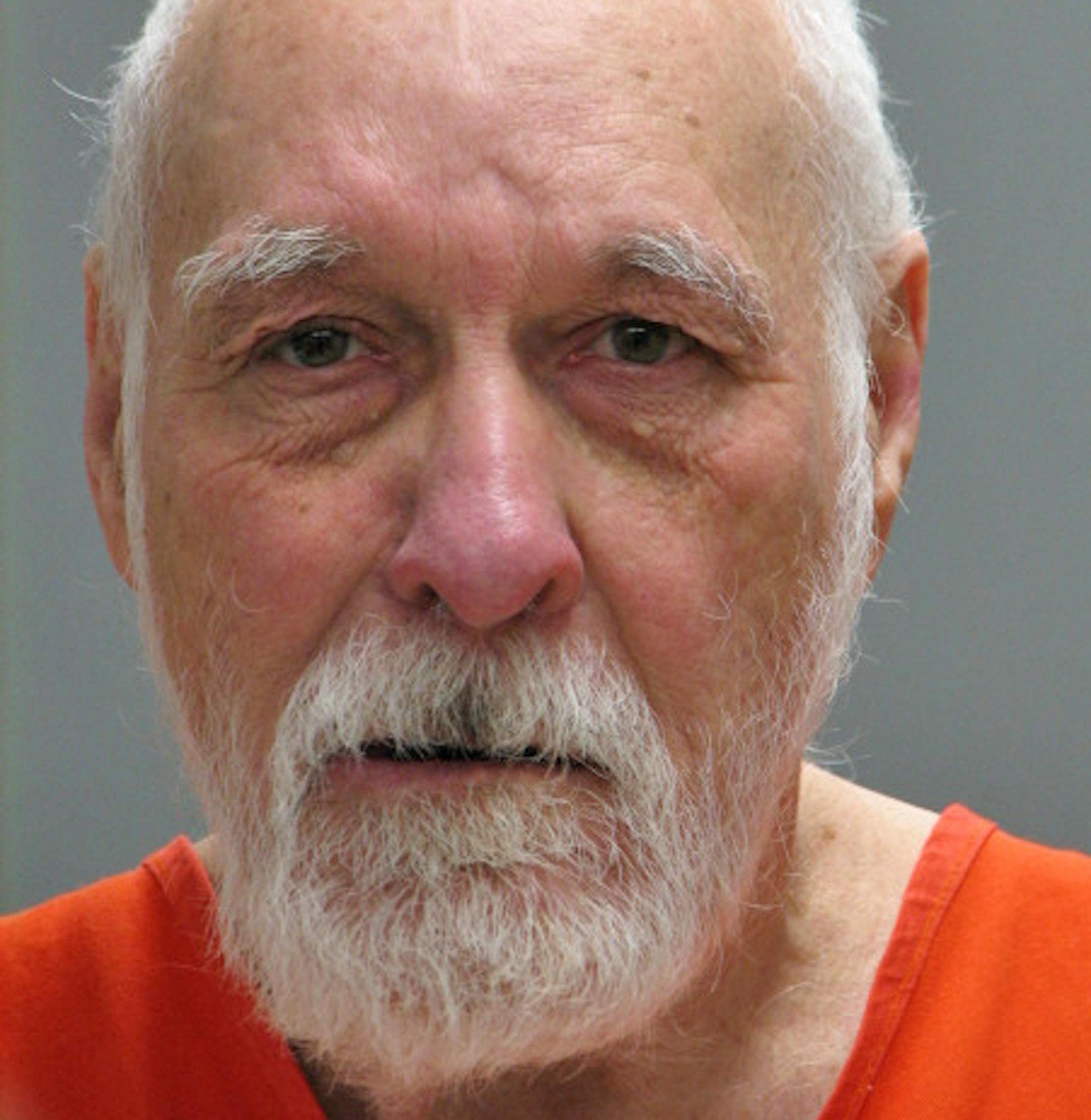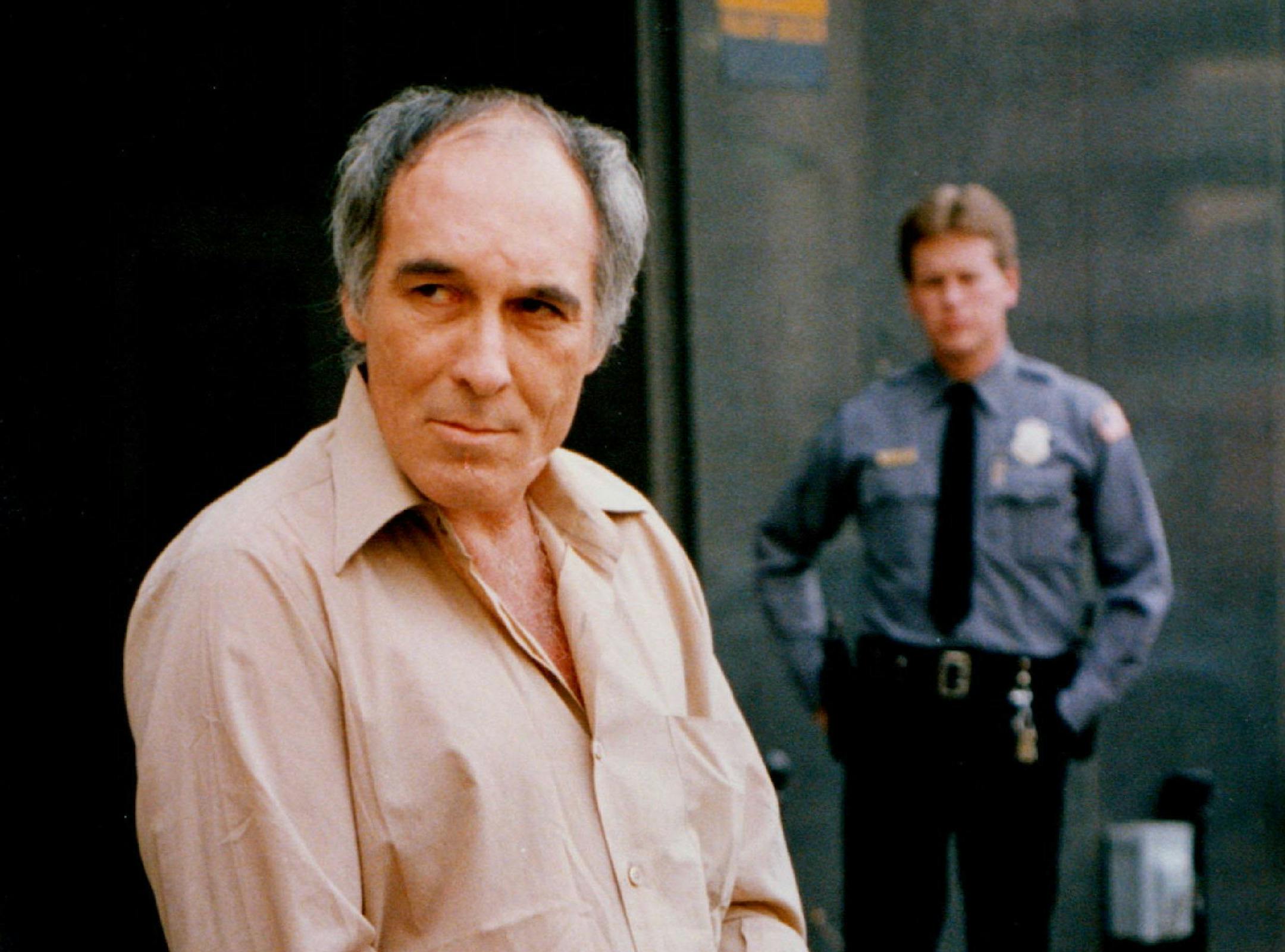
Billy Glaze died a serial killer. For more than 25 years, he sat behind bars for the murders of three women in Minneapolis in the 1980s.
But just as he fell ill and was diagnosed with lung cancer in December, attorneys with the Minnesota Innocence Project were trying to free him. They introduced new DNA evidence in court that they say pointed to another man who is a convicted rapist, and claimed that no physical evidence linked Glaze to the murders.
But now that Glaze is dead, what happens to his case?
It's a first-of-its kind question in Minnesota, where a judge will have to decide whether a DNA exoneration attempt can proceed after the defendant dies, defense attorneys said.
Prosecutors in Hennepin County moved last month to have Glaze's latest arguments to the court dismissed, saying the case is now moot. They had remained confident that they had the right man and argued that a new trial wasn't needed.
"His case is over when he died," Hennepin County Attorney Mike Freeman said in a recent interview. "What he had asked for is a new trial. When you're dead, you can't have a new trial."
Innocence Project attorneys argue that not only is Glaze's reputation at stake, but so is the public's interest in learning whether the justice system worked fairly in his case. Perhaps more important, they say, is the question of whether the person responsible for the killings is still free and walking around.
"The real guy is still out there," contends Julie Jonas, legal director for the Minnesota Innocence project. "A known rapist's DNA was found at two of these crime scenes and we're just ignoring it? … I think that's the biggest reason for the public to be concerned."