

In the New York Times this week, it was reported that Nestlé was one of 17 companies that received letters of warning from the FDA about misleading food labeling. (See article here.)
It's tiring isn't it? Trying to keep up with who's doing what and which claims are true and what to eat and what not to eat. Here's the bottom line: nobody in the processed food industry is going to help you make the best decision for your eating habits.
Ultimately, a return to eating whole foods is the best direction you can take your eating plan. And when you simplify it down to whole foods, food isn't really such a mystery. The printing on a bag of potatoes reads potatoes.
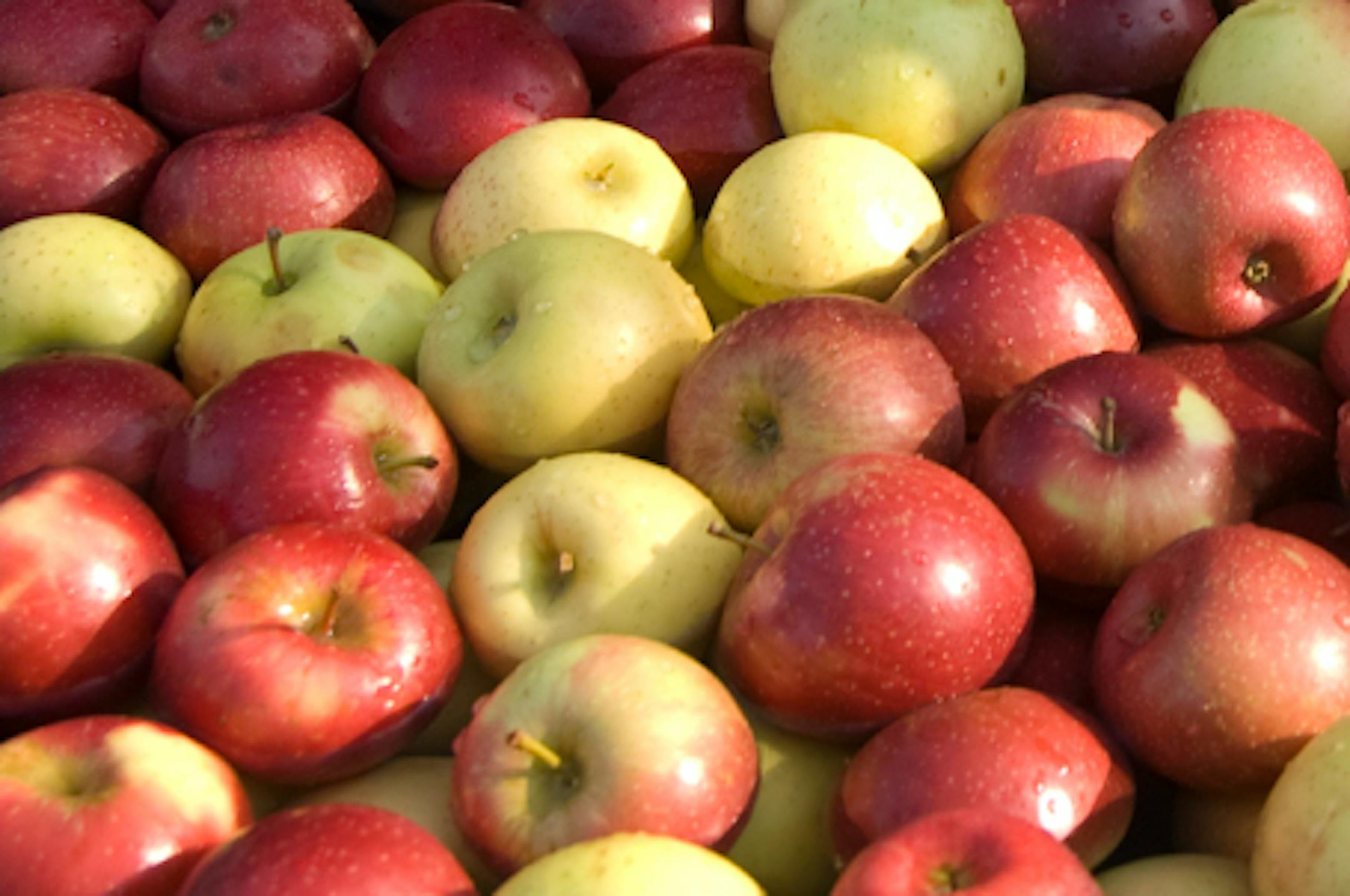
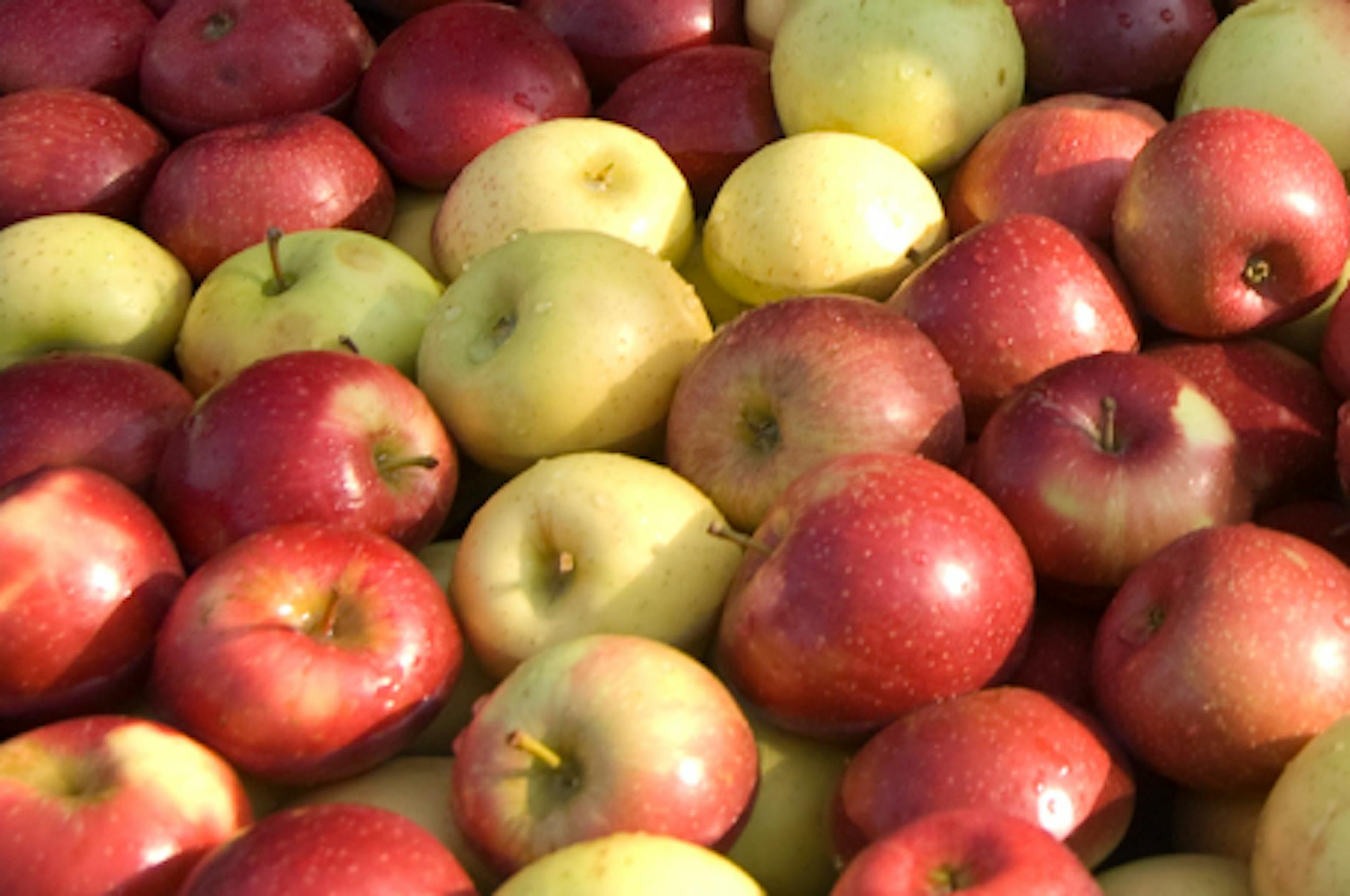
So what is a whole foods eating plan look like? Eating foods that are as close to their natural state as possible, that are minimally processed or altered from their original source. That means eating an apple instead of apple juice, roasted chicken instead of breaded chicken cutlets, or a bowl of rice instead of a handful of rice crackers.
When foods are "whole", they have more of their nutrients intact, they have more fiber and they provide a broad array of phytonutrients full of beneficial compounds that are important for preventing disease, maintaining health and all-around wellness. Whole foods also contain healthy fats instead of dangerous trans-fats, and are naturally low in sodium and sugar.
To train yourself to eat more whole foods, start by shopping for the majority of your food from the perimeter of the grocery store. It is a good rule of thumb when it comes to a healthy diet to fill most of your shopping basket there with fresh fruits and vegetables, milk, eggs, fish, grass-fed, organic or free-range meats.
Eating a wide variety of whole grains in their whole form is another important step. By eating whole grains, you're getting loads of vitamins, minerals and phytonutrients, plenty of fiber, plus the extra benefits, such as a feeling of satiety to help prevent overeating, and a long, slow burn of energy which is better for blood glucose and insulin levels after eating.
A perfect example of choosing whole foods vs. processed foods can happen at breakfast. Now that cereal box might say "Made With Whole Grains", but a puffed, squeezed, extruded or sweetened nugget packed into a box is not exactly a whole food anymore, nor is it a good value, money-wise or food-wise. A better breakfast choice would be oatmeal made from regular oats – the kind you cook for 3-5 minutes, not the instant oatmeal sugary packs. Topping the oatmeal with some fruit like thawed frozen berries or sliced banana, plus raisins, nuts or seeds, a little whole milk plain yogurt, then sweetened with real maple syrup or honey would round out a very nutritious, whole foods breakfast that will keep you full until lunchtime instead of looking for a mid-morning snack.


