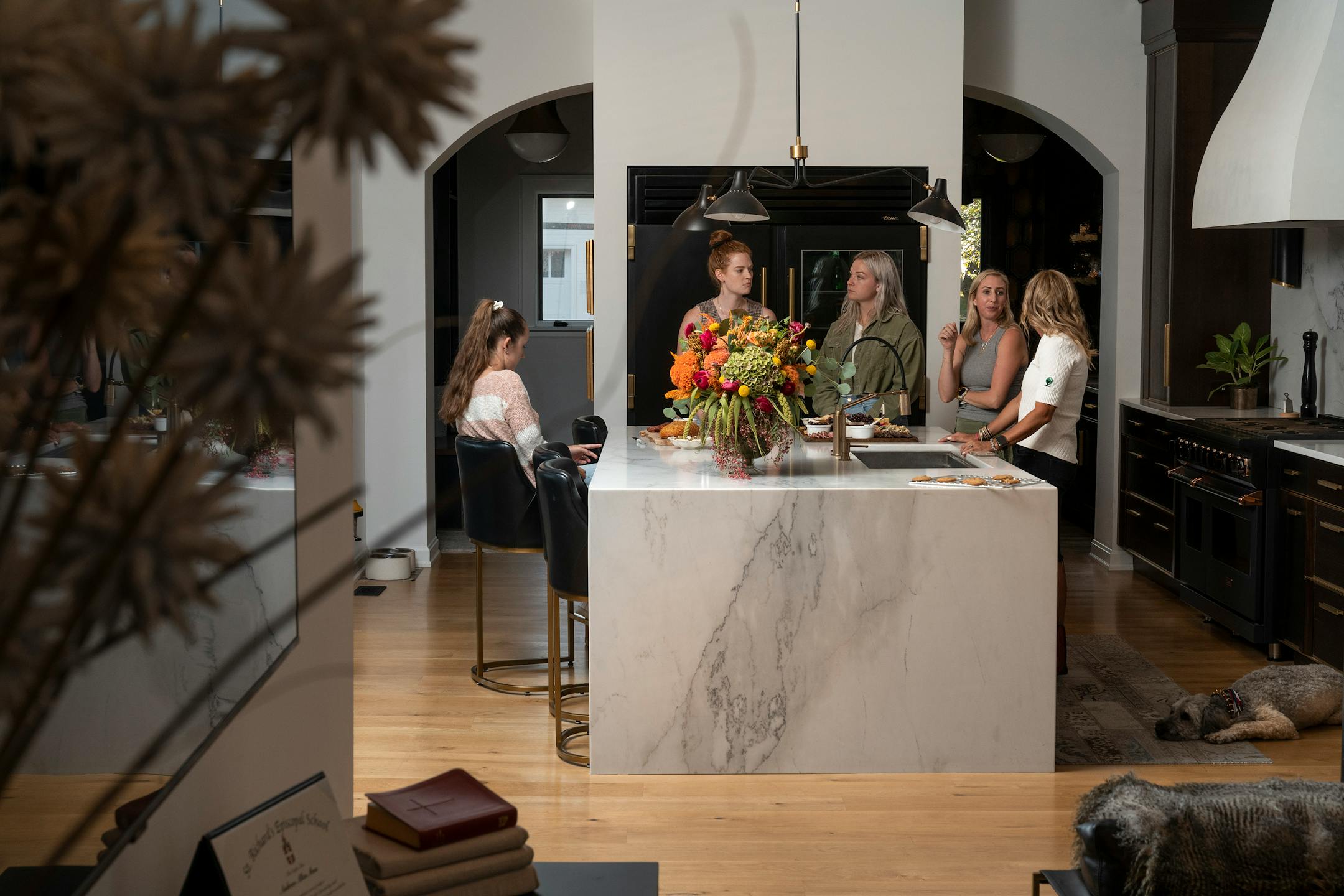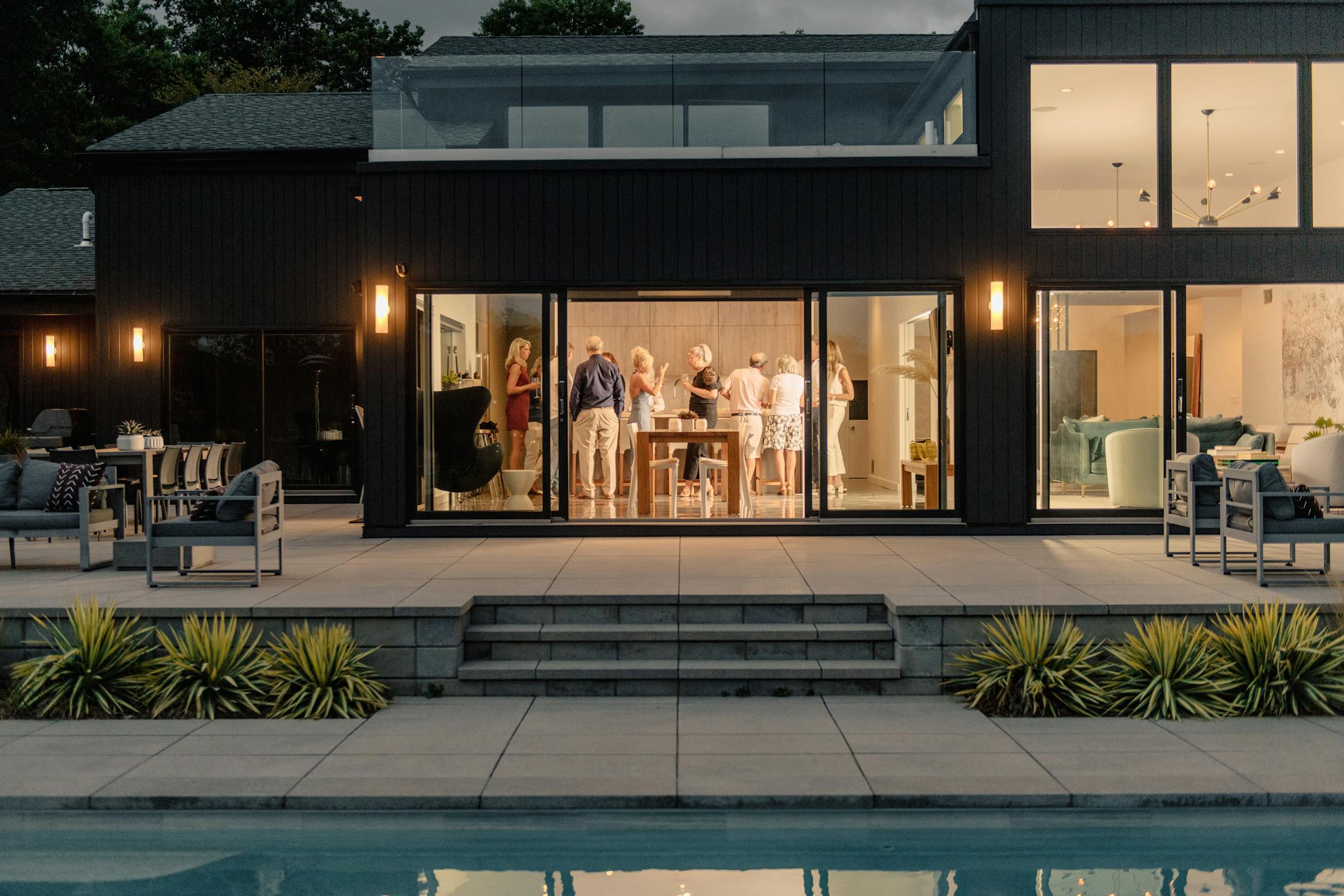
In May, about 30 eighth graders gathered around the large island in an Indianapolis kitchen to belt out "The sun'll come out tomorrow" to celebrate a successful school production of "Annie." About 60 parents cheered them on, spilling out onto the patio.
For Jayme Moss, the host who opened her home to the guests, the moment marked another milestone: Not a single dirty plate, tray or bowl tarnished the photos or videos. The sizable mess that comes from serving pasta and cake to a crowd of 90 was hidden in her back kitchen, a smaller room tucked behind the main one.
"Normally you take that picture or video and there would be stuff all over the kitchen," Moss, 49, said. Instead, "everything was in the back."
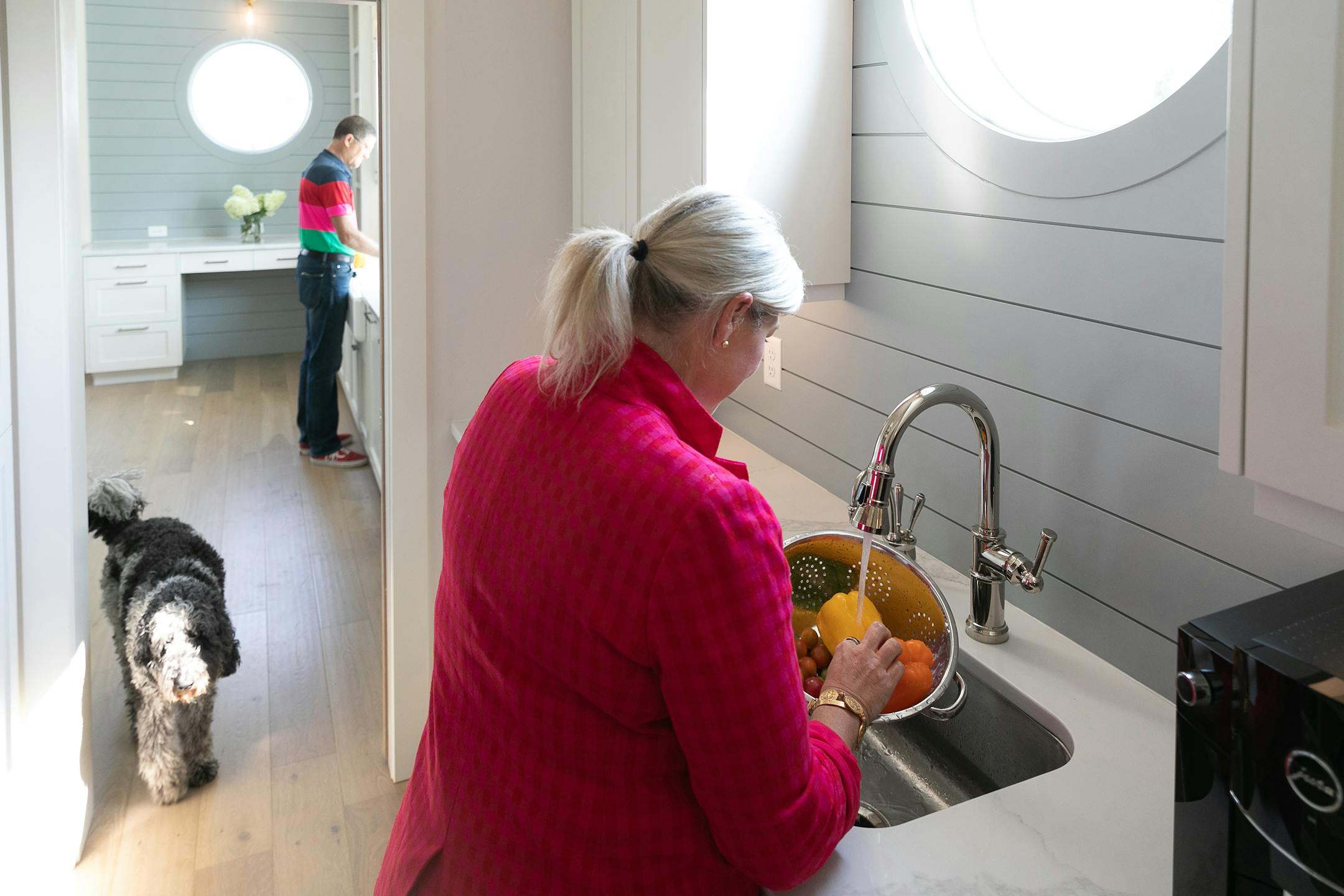
Last year she and her husband, Bradley Moss, finished renovating their 1929 French chateau-style home. Adjacent to their main kitchen — an open-concept space with fumed oak cabinets, a Viking stove and Calacatta countertops — they built a smaller one with a set of cabinets, a sink, an induction stove, an oven, an ice-maker and a convection microwave.
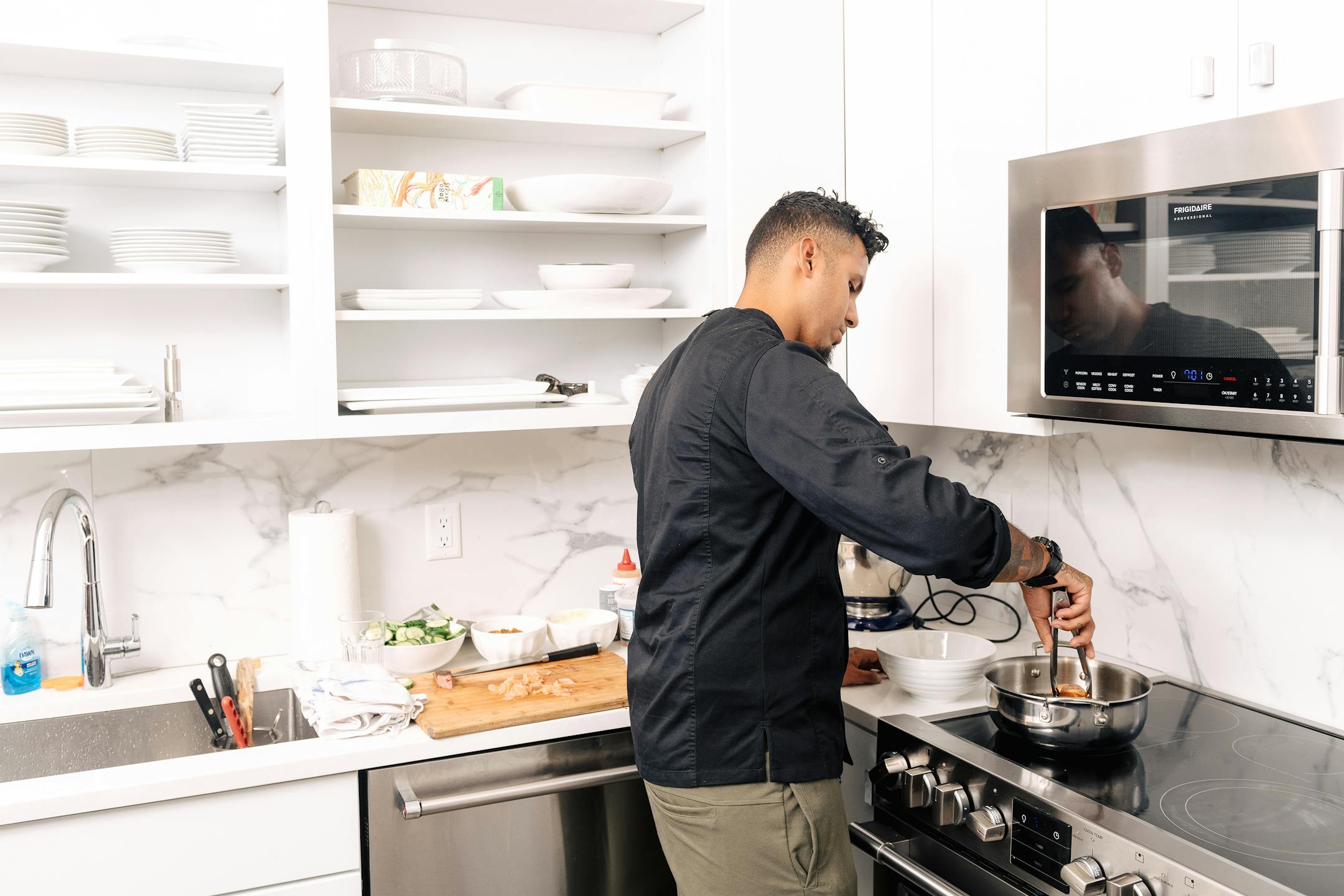
The back kitchen, in essence a pantry on overdrive, has become increasingly popular in recent years, according to architects, designers and homebuilders. It's particularly desirable in new construction where floor plans are as flexible as wish lists. But gut an existing home to the studs, or add an addition, like the Moss family did, and room for a second cooking space emerges.
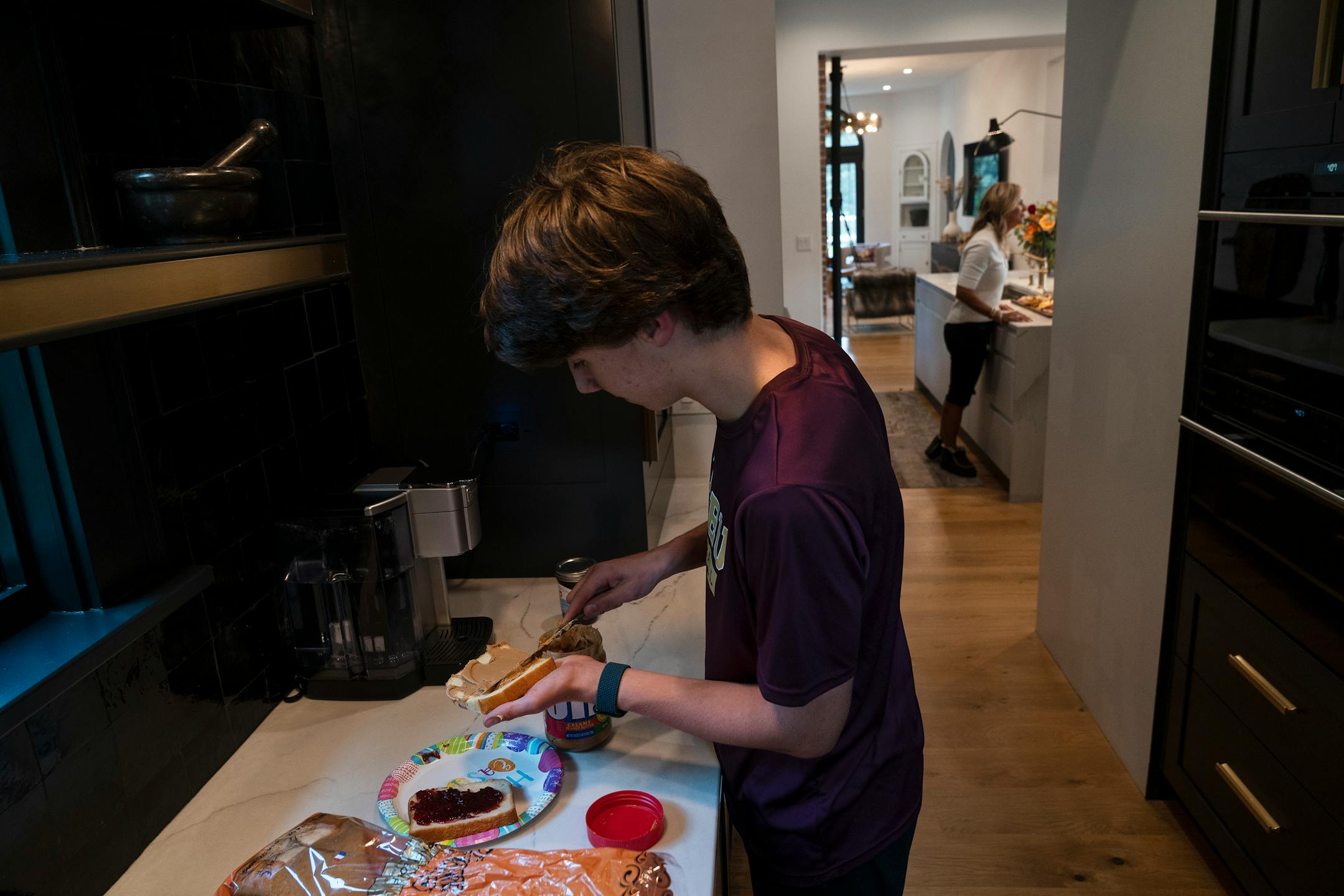
Back kitchens come with as many names as they do appliances: the dirty kitchen, the messy kitchen, the prep kitchen, the working kitchen and the scullery kitchen, to name a few. These auxiliary spaces reinvent the humble pantry as the hardworking engine of the house. With the dirty work happening offstage, the main kitchen can shine, an immaculate centerpiece to be marveled, not sullied by spaghetti sauce and sheet pans.
"I like a place that, quite frankly, looks like it's not lived in," said Jayme Moss, a co-founder and board member of Versapay, a financial technology company. Bradley Moss, 49, is the president and CEO of a medical testing lab in Indianapolis.
Their back kitchen is visible from their main one, with art deco brass and gold tiles peeking through an archway. In hindsight, Jayme Moss would like to see even less of it. "If I had to do it all over again, I'd like it to be where I couldn't see it at all," she said.