Although she grew up in an Italianate mansion filled with fancy French furniture on St. Paul's Summit Avenue, Mary Griggs Burke never really bonded with her European heirlooms.
"It was very good French and Italian 18th-century stuff," she once said, but "it's not my taste."
Her own taste ran to Japanese art, which she collected for a half-century before her death in 2012 at age 96.
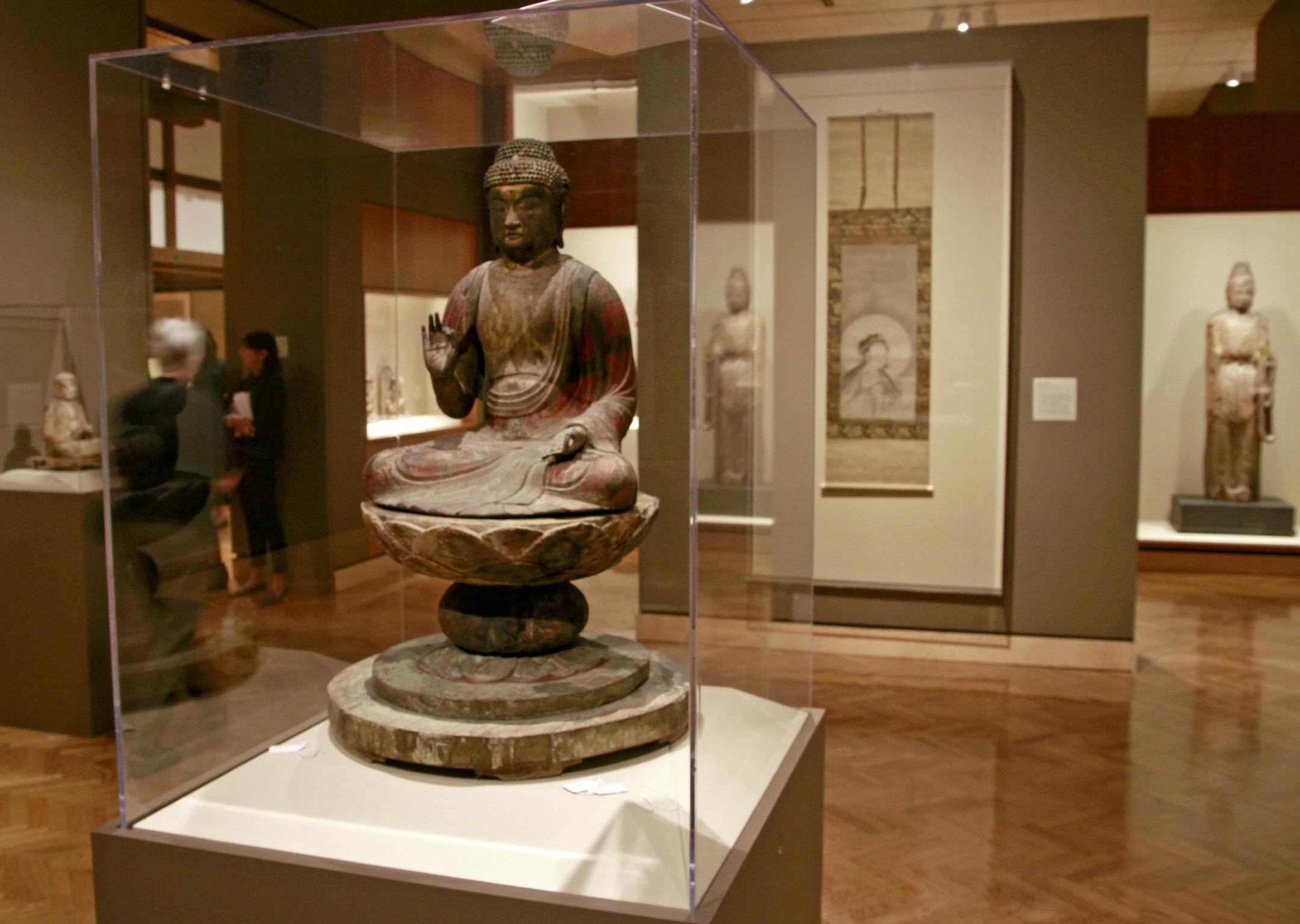
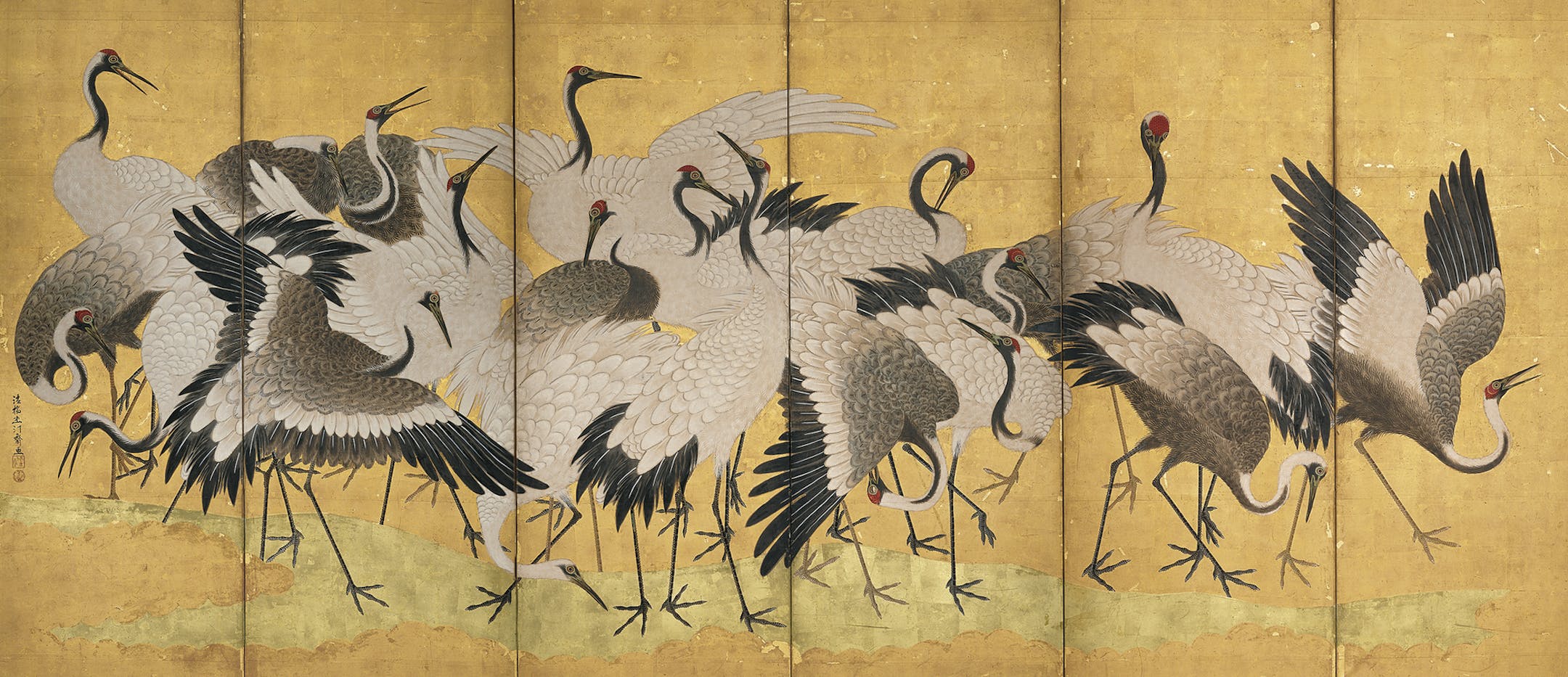
By then hers was considered the finest private collection of Japanese art outside its homeland. Japanese scholars, television crews and even members of the imperial family made pilgrimages to the New York apartment where her private curator arranged special displays of rare ink paintings, 1,000-year-old Buddhist and Shinto sculptures and elegantly gold-leafed folding screens.
Though courted by museums around the world, Burke bequeathed the bulk of her collection, about 670 pieces of Japanese and Korean art and a $12.5 million endowment, to the Minneapolis Institute of Art. Another 340 artworks and $12.5 million more went to New York's Metropolitan Museum of Art, where she was a longtime trustee.
About 175 choice pieces from Burke's gift are on view at the Minneapolis museum through May 8 in a lavish display that fills 16 galleries.
Burke's collection ends at about 1900, but is complemented by a second show, "Seven Masters," which presents 20th-century Japanese woodblock prints donated by Minneapolis milling heir Fred Wells and his wife, Ellen. Featuring images of beautiful women, Kabuki actors and landscapes, the "Masters" display runs through March 13.
Together the shows offer an extraordinary panorama of Japanese culture. With their graceful lines, sumptuous textures and engaging narratives, Burke's sculptures and paintings span more than 1,500 years and reveal a now distant civilization of profound spiritual aspirations, earthy humor and almost fairy-tale beauty and refinement. The Wells collection brings those complexities closer to the present day.