

From its start housing Swedish orphans in a church basement 160 years ago to providing counseling, employment and housing services to 91,000 Minnesotans each year, Lutheran Social Service has sought to adapt, expand and change as needed.
A five-year, $100 million fundraising campaign announced Tuesday will help the organization become even more nimble, said Patrick Thueson, president of Lutheran Social Service of Minnesota (LSS).
Called Empower What’s Possible, the campaign is the largest in the history of the nonprofit, Thueson said, and seeks to expand and adapt its offerings moving forward. A new design lab will try out new programs while a “data intelligence function” will collect and analyze data on the effectiveness of its programs.
Thueson said it will allow the nonprofit to make needed changes to its programming as it goes. LSS will also make data on the effectiveness of its programs available to “any entity that wants it,” he said.
Lutheran Social Service has more than 25 different services, including housing, behavioral health, early childhood education, community connections and employment readiness. Nearly $60 million has already been raised, Thueson said.
“We’re listening to the people we serve and support, making sure they’re at the center of all we do,” Thueson said in a Monday interview with the Minnesota Star Tribune. “We try to remove barriers to self-sufficiency and greater resilience.”
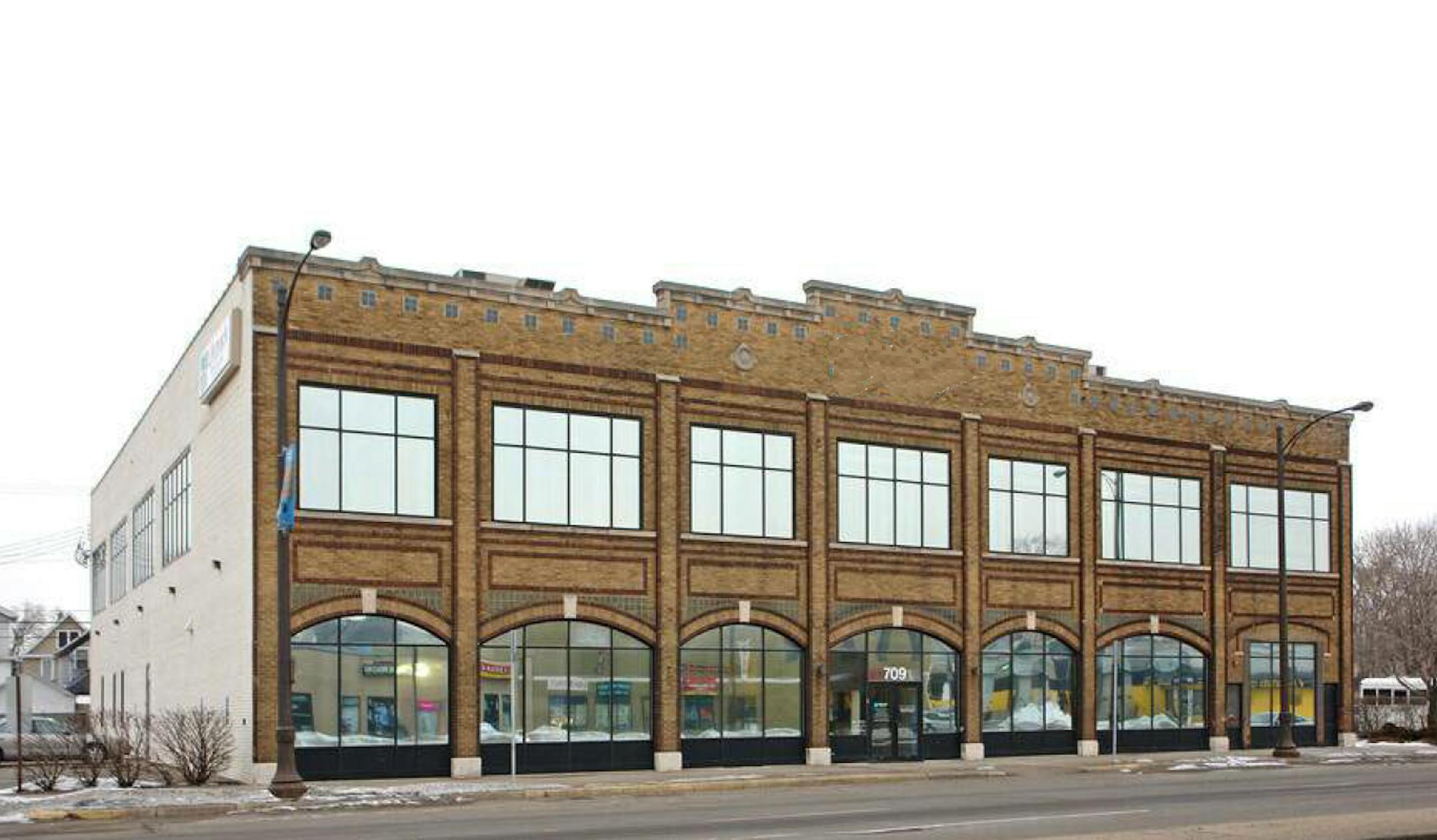
Officials on Tuesday kicked off the campaign at a more than 100-year-old building on University Avenue in St. Paul that once housed a Model T dealership. When the renovations are completed in late 2026, the LSS Center for Changing Lives – Frogtown-Rondo will provide comprehensive services for children, youth and families.
It will feature an early learning center, child care, transitional housing for youth and young families experiencing homelessness, a youth resource center, financial counseling, parent education, behavioral health counseling and employment services. Thueson touted the location of the building on Metro Transit’s Green Line, saying the light rail will make services accessible to people who don’t have cars.


