

Ron Nelson bought his Market House condo in St. Paul's Lowertown district three years ago because he wanted to "have all the benefits of urban living."
And he didn't have to sacrifice his two cars, since the condo association had a gated lot across the street.
But now that lot is only a few months away from being taken by the city for construction of the Saints ballpark, leaving residents like Nelson to worry about how its loss will affect the market value of their condos and where else they might find convenient parking.
"It's a shock to … have it yanked out from underneath you," he said.
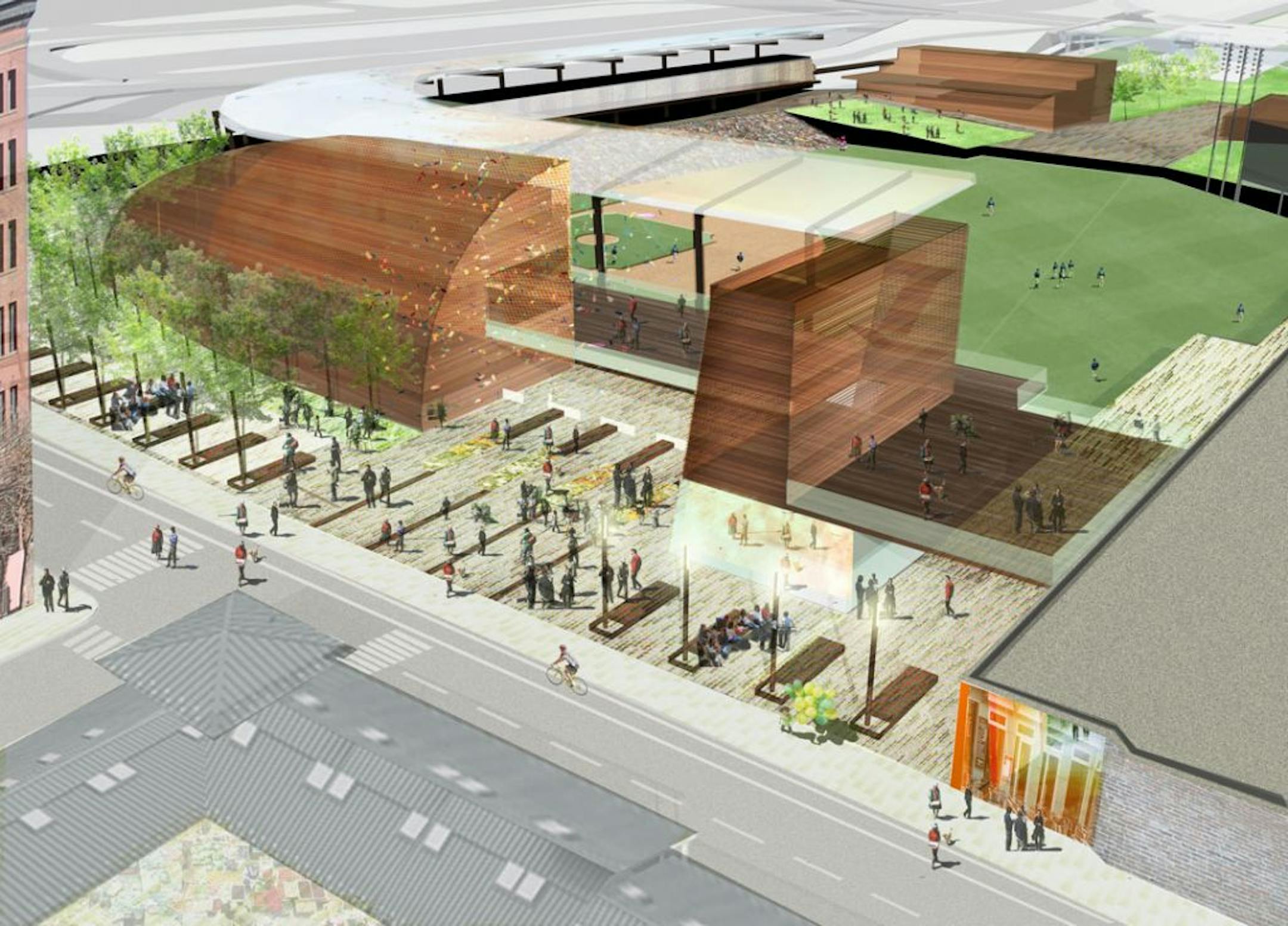
The Market House situation is the most pointed example of growing concerns in booming Lowertown about whether the area can absorb thousands of visitors drawn by the 7,000-seat ballpark, to open in 2015, without making it more difficult for those who live and work there.
St. Paul estimates there are more than 11,500 parking spaces within walking distance of the ballpark. That's about 4,000 more spaces than identified last week in an environmental work sheet analyzing the effect of the $54 million ballpark project on the surrounding area, but city officials said they based their figures on a bigger swath of downtown.
The environmental report also noted that the ballpark will displace about 320 on- and off-street spots used by public and contract parkers on or near the former Gillette/Diamond Products plant, which will be demolished this spring to make room for the ballpark.
That would still leave about 7,200 parking spaces within six blocks of the ballpark site, according to the report. It isn't clear how many of those spaces are for contract parkers. But downtown St. Paul has an estimated 7,000 residents, at least half of them living in Lowertown.


