


Go outside and inhale — your nose will tell you that it's spring. Though many springtime smells are familiar, what produces the scents of the season might surprise you. Here are some of the odors and their origins.
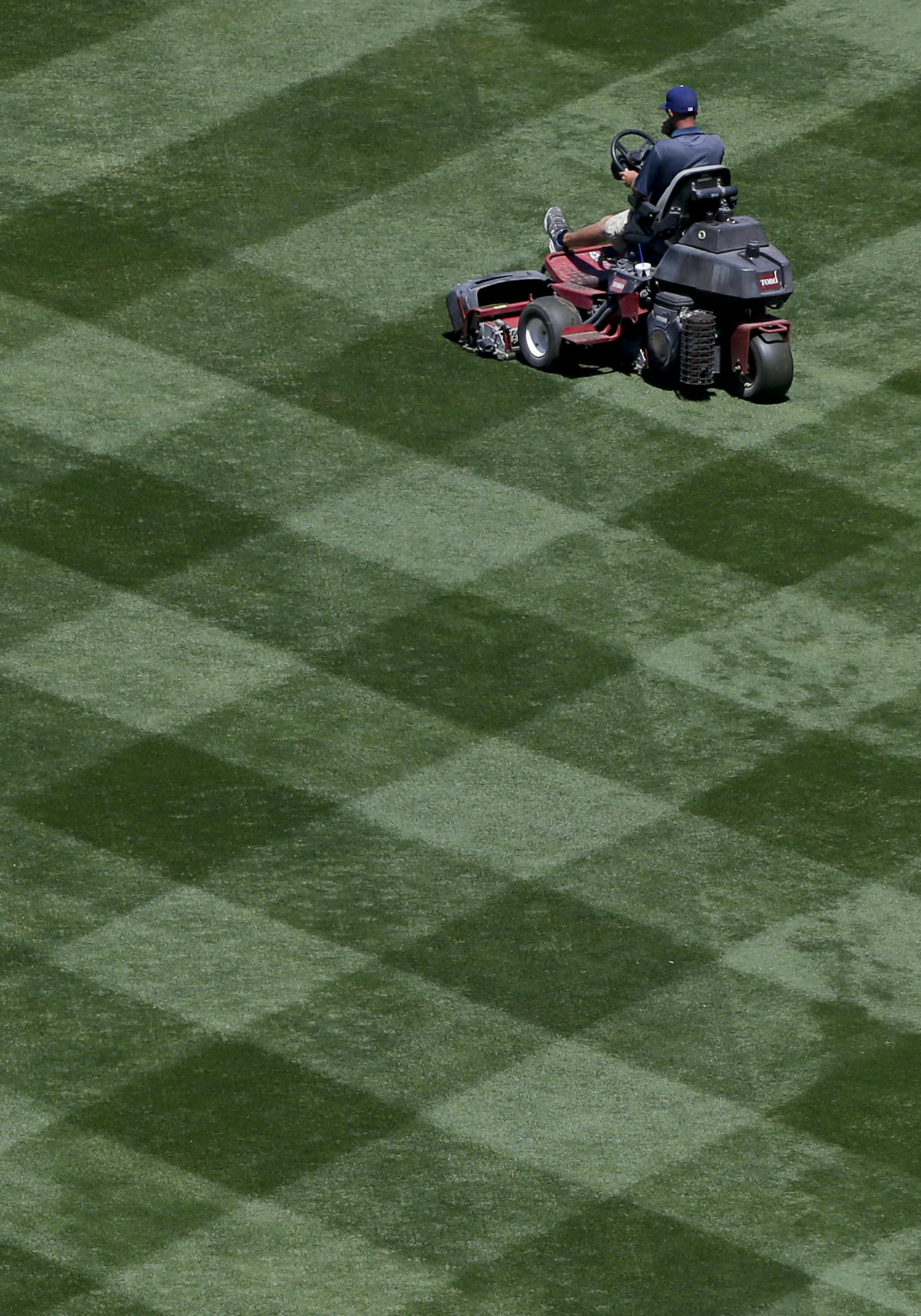
Fresh grass fragrance
You might be fond of the smell of cut grass, but it's a plant cry for help. Sliced leaves release compounds to indicate they're distressed, which can summon defenders — such as parasitic wasps that lay their eggs on caterpillars that eat plants. Photo by Jae C. Hong of the Associated Press

Smell of a beach
Perhaps you escaped the city for a beach visit, only to be greeted by a sulfuric tang. That's dimethyl sulfide, a volatile chemical produced by oceanic algae when it dies. It is a warning signal to other algae — and also serves as a dinner bell for small fish. Photo by Marina Riker of the Associated Press

Bouquet of flowers
Of all the springtime smells, that of blooming flowers may be the most welcome. These plant perfumes are tiny molecules called volatile compounds, released from various parts of the plant skins, petals and stems. Though humans have long known about flower scents — the distillation of rose oil dates back to medieval medicine in Persia — scientists are still untangling the reasons why flowers smell. Various experiments suggest that flowers use their smells to attract insects or ward off plant-eaters, and may, in the case of a rose's phenethyl alcohol, boast antimicrobial properties. Photo by Elise Amendola of the Associated Press
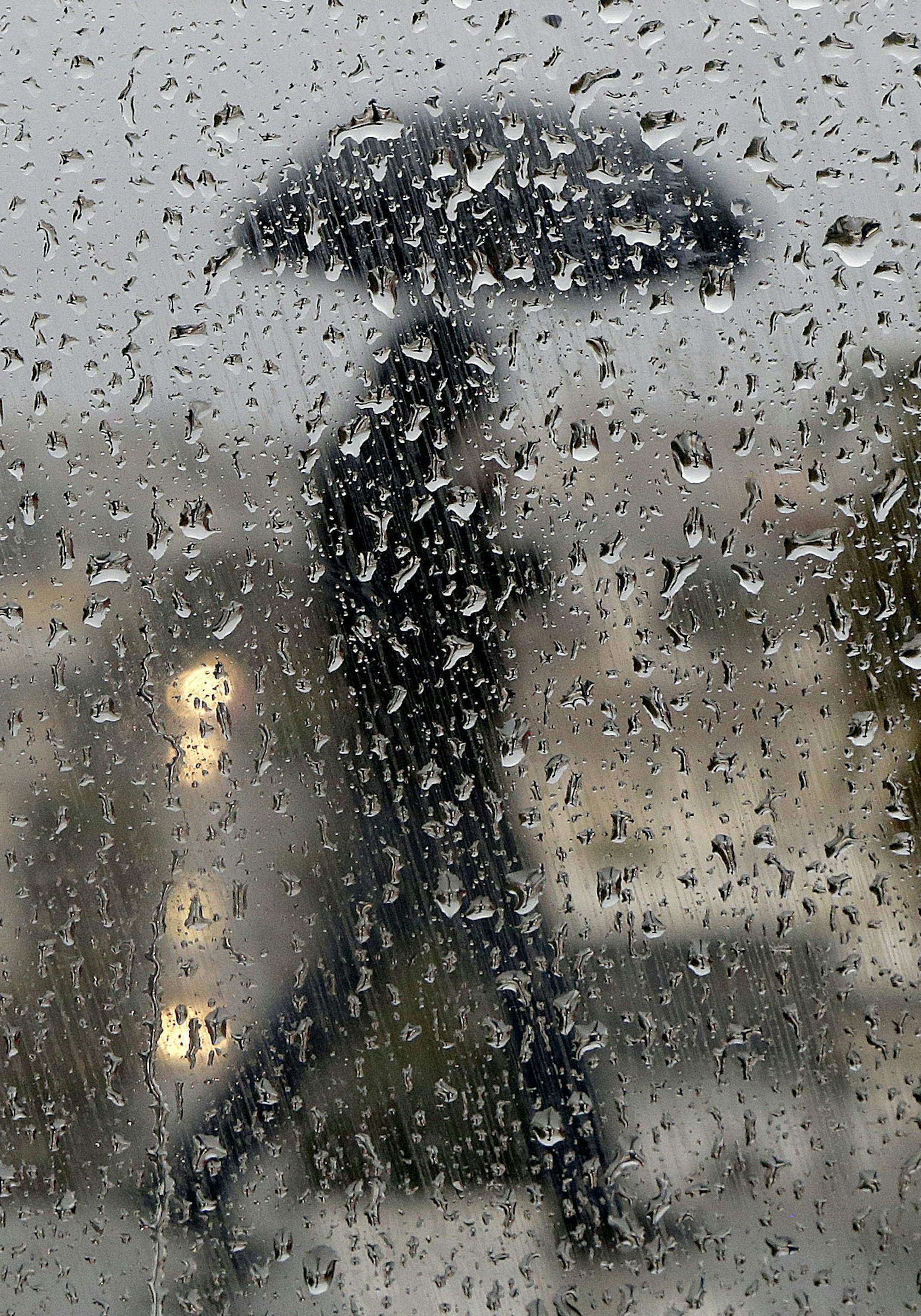
The scent of rain
People who sniff out a storm before it arrives are catching a whiff of ozone. When a storm discharges electricity via lightning, this can sever oxygen molecules into its constituent atoms. These atoms form ozone, which when blown down from the atmosphere may herald a coming storm. And what about the scent of rain as it hits the ground? There's a name for that scent, called petrichor, which is the smell of an oily substance produced by wet rocks. Raindrops that fizz as they splash down carry the aroma of petrichor, as well as bacteria and other organic matter, up to our noses. Photo by Jeff Chiu of the Associated Press.


