

"No man ever steps in the same river twice, for it's not the same river and he's not the same man." — Heraclitus
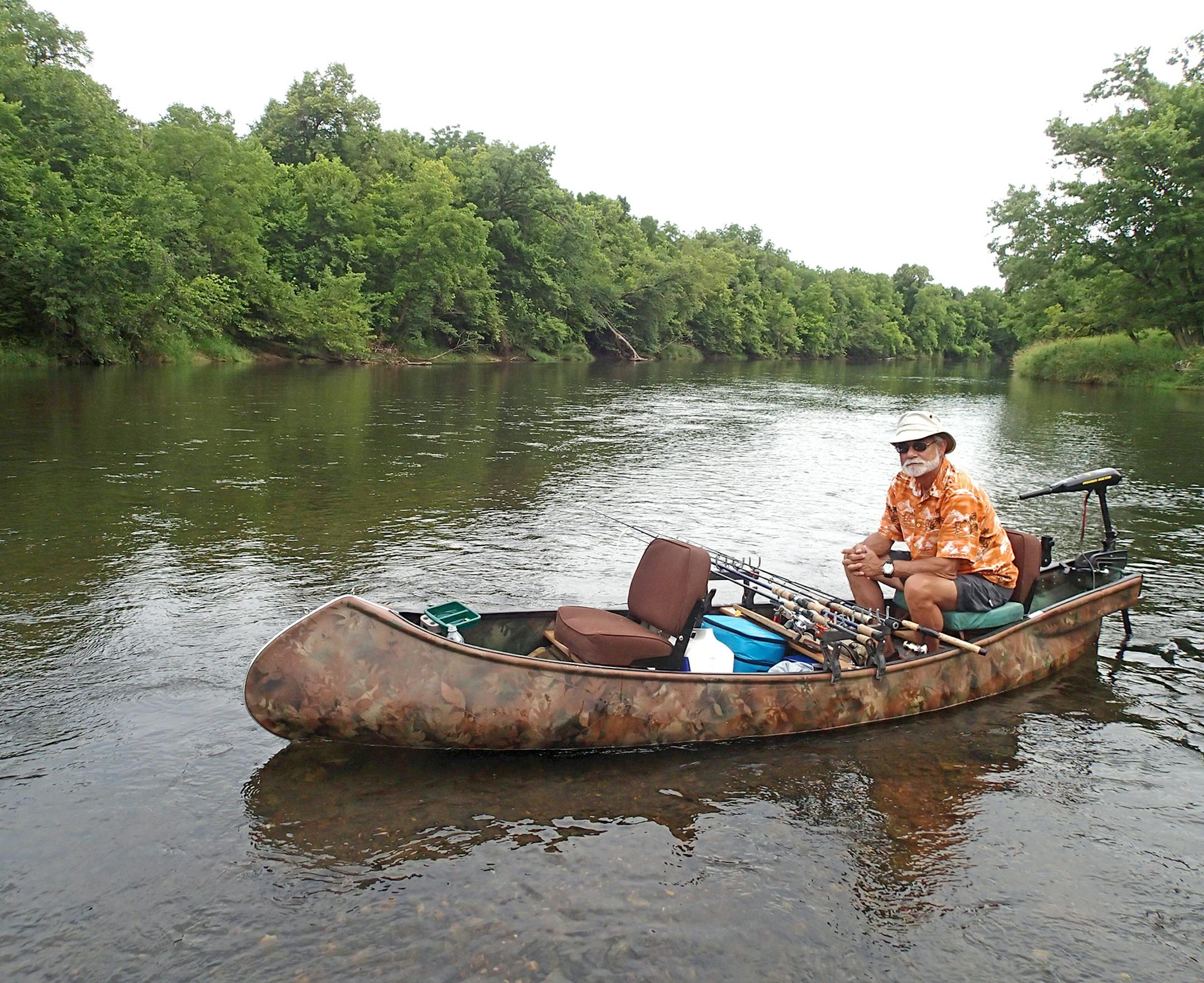
ON THE ZUMBRO RIVER – Bill Plantan has stepped into this river countless times, and did again on a recent day.
His intent, and mine, was to catch fish: smallmouth bass and perhaps a muskie. But with a partly blue sky overhead and a gentle summer breeze weaving among the riverbank's box elders and willows, exploration seemed the higher calling.
"A great morning," Plantan offered from the stern.
Critical to understanding Minnesota's history, the Zumbro nonetheless twists through southeast Minnesota in generalized anonymity.
Bordered variously by limestone and sandstone bluffs, vibrant farmlands and thickly forested shoulders, the Zumbro until the mid-1800s was a lifeline for large mammals now gone, including elk and bison, as well as countless native birds, among them wild turkeys.
Each wandered or flitted about the big woods and oak savannas that adjoined the Zumbro, helping to define southeast Minnesota's diverse and biologically rich landscape in the days before white settlement.
Uniquely sensitive, much of the region lies within the driftless area and its characteristic underground streams, sinkholes and springs.


