Note to readers: On Thursday, U.S. House Republicans failed to pass a GOP version of the bill. The House then passed the Senate version. The Violence Against Women Act has been forwarded to President Obama for his signature.
* * *
Two Republicans running for congressional seats last year offered opinions on "legitimate rape" or God-approved conceptions during rape, tainting their party with misogyny. Their candidacies tanked. Words matter.
Having lost the votes of many women, Republicans now have the chance to recover some trust. The Senate last week voted resoundingly to reauthorize the Violence Against Women Act, the 1994 law that recognized crimes like rape, domestic abuse and stalking as matters of human rights.
But House Republicans, who are scheduled to take up the bill Thursday, have objected to provisions that would enhance protections for American Indians, undocumented immigrants, and gay, lesbian, bisexual and transgender youths, among other vulnerable populations.
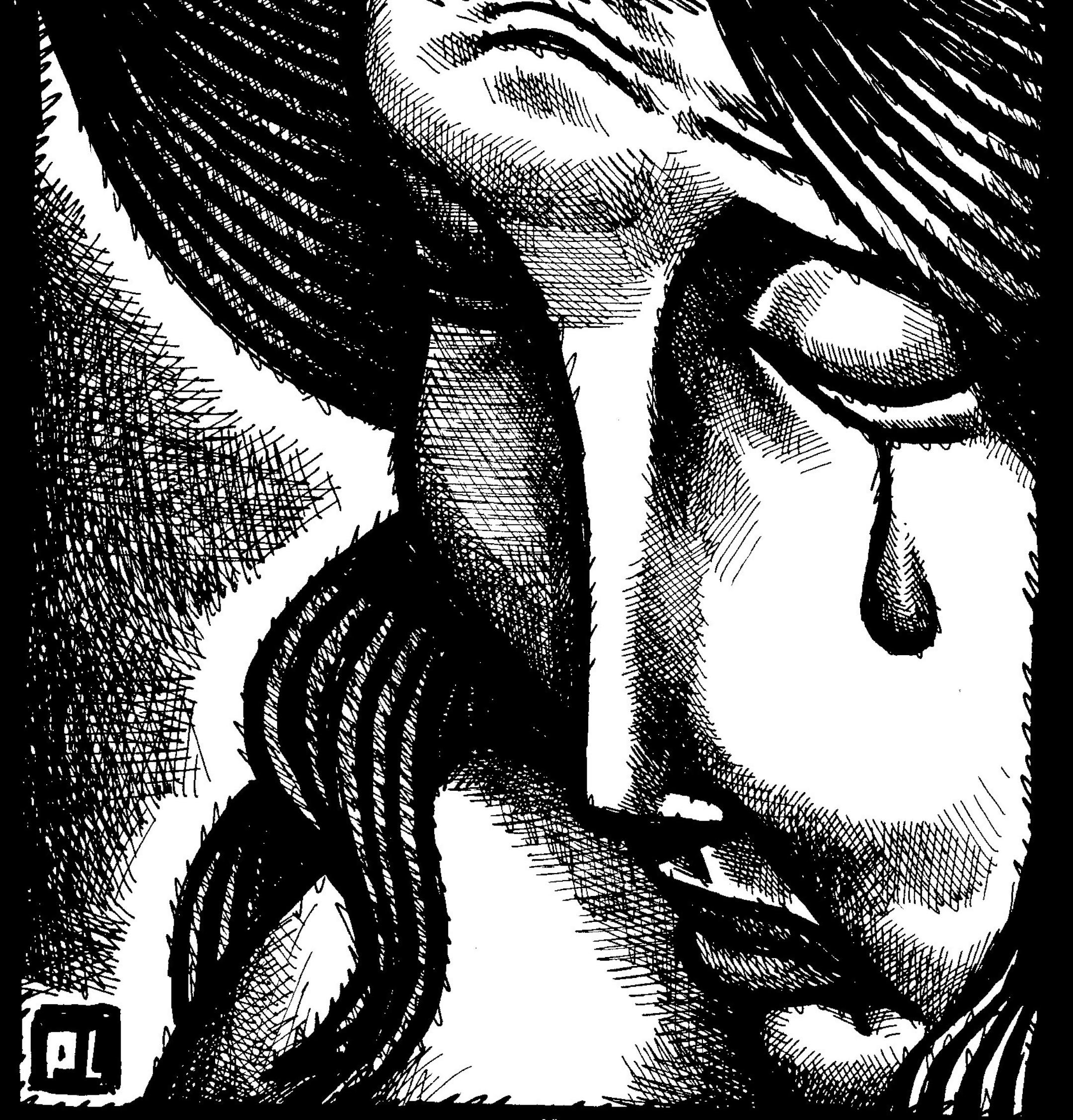
Here in Minneapolis, a growing number of Native American women wear red shawls to powwows to honor survivors of sexual violence. The shawls, a traditional symbol of nurturing, flow toward the earth. The women seem cloaked in blood. People hush. Everyone rises, not only in respect, for we are jolted into personal memories and griefs. Men and children hold hands, acknowledging the outward spiral of the violations women suffer.
The Justice Department reports that one in three Native women is raped over her lifetime; other sources report that many Native women are too demoralized to report rape. Perhaps this is because federal prosecutors decline to prosecute 67 percent of sexual abuse cases, according to the Government Accountability Office.
Further tearing at the social fabric of communities, a Native woman battered by her non-Native husband has no recourse for justice in tribal courts, even if both live on reservation ground. More than 80 percent of sex crimes on reservations are committed by non-Indian men, who are immune from prosecution by tribal courts.