The thousands of Minnesota hunters who will head west this fall — including to the Dakotas — to hunt pheasants and waterfowl will find less habitat and fewer places to hunt.
Habitat is shrinking as farmers continue to withdraw thousands of acres of grasslands from the federal Conservation Reserve Program (CRP) and convert them to crops. The loss of habitat not only directly affects hunters but impacts wildlife — pheasant numbers are down dramatically in North Dakota, South Dakota and Minnesota.
Since 2007 North Dakota has lost 1.8 million acres — or 2,800 square miles — of CRP. South Dakota has lost about a half-million acres — or nearly 800 square miles. And Minnesota has lost about 600,000 acres — or 937 square miles, including 100,000 acres that expire Monday.
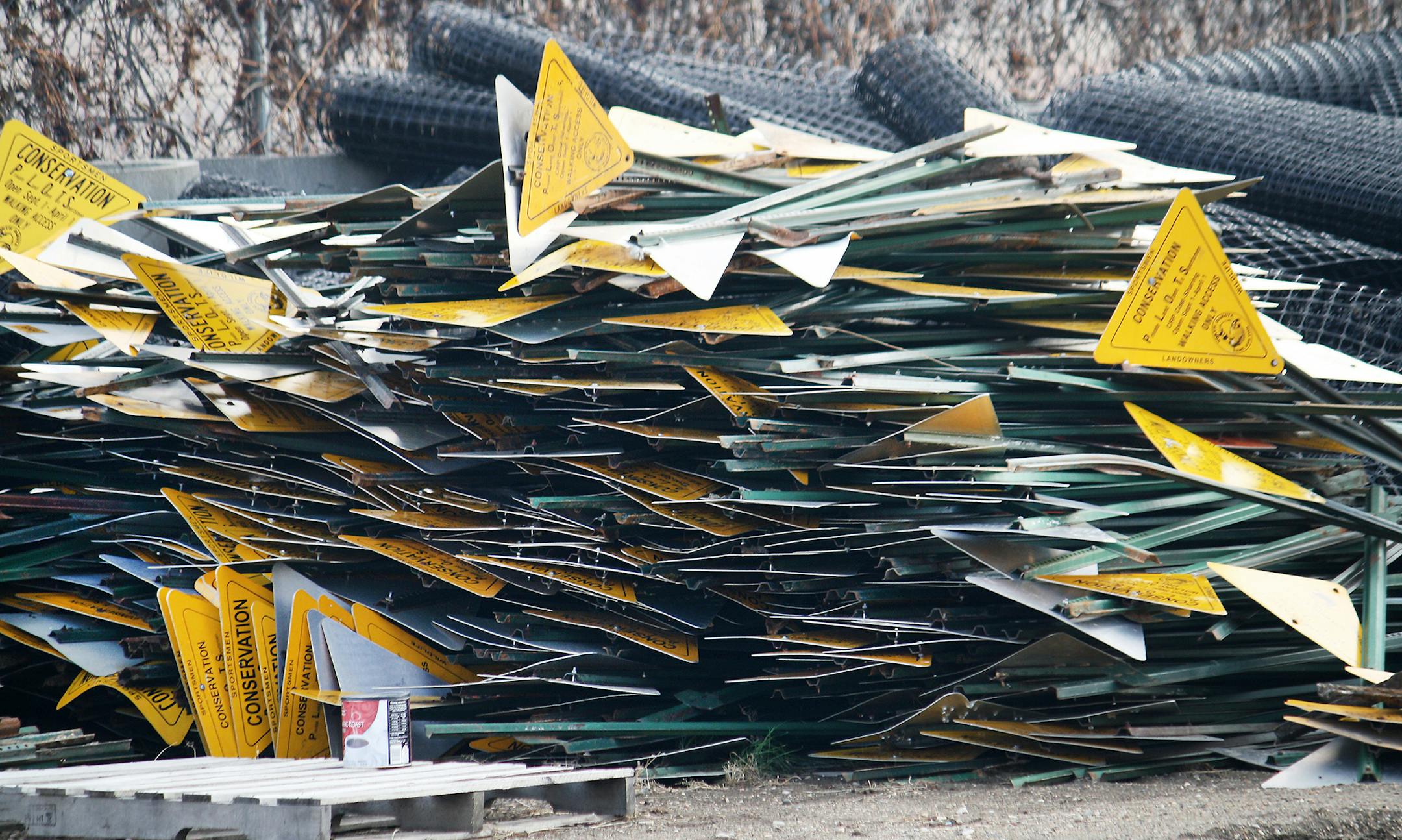
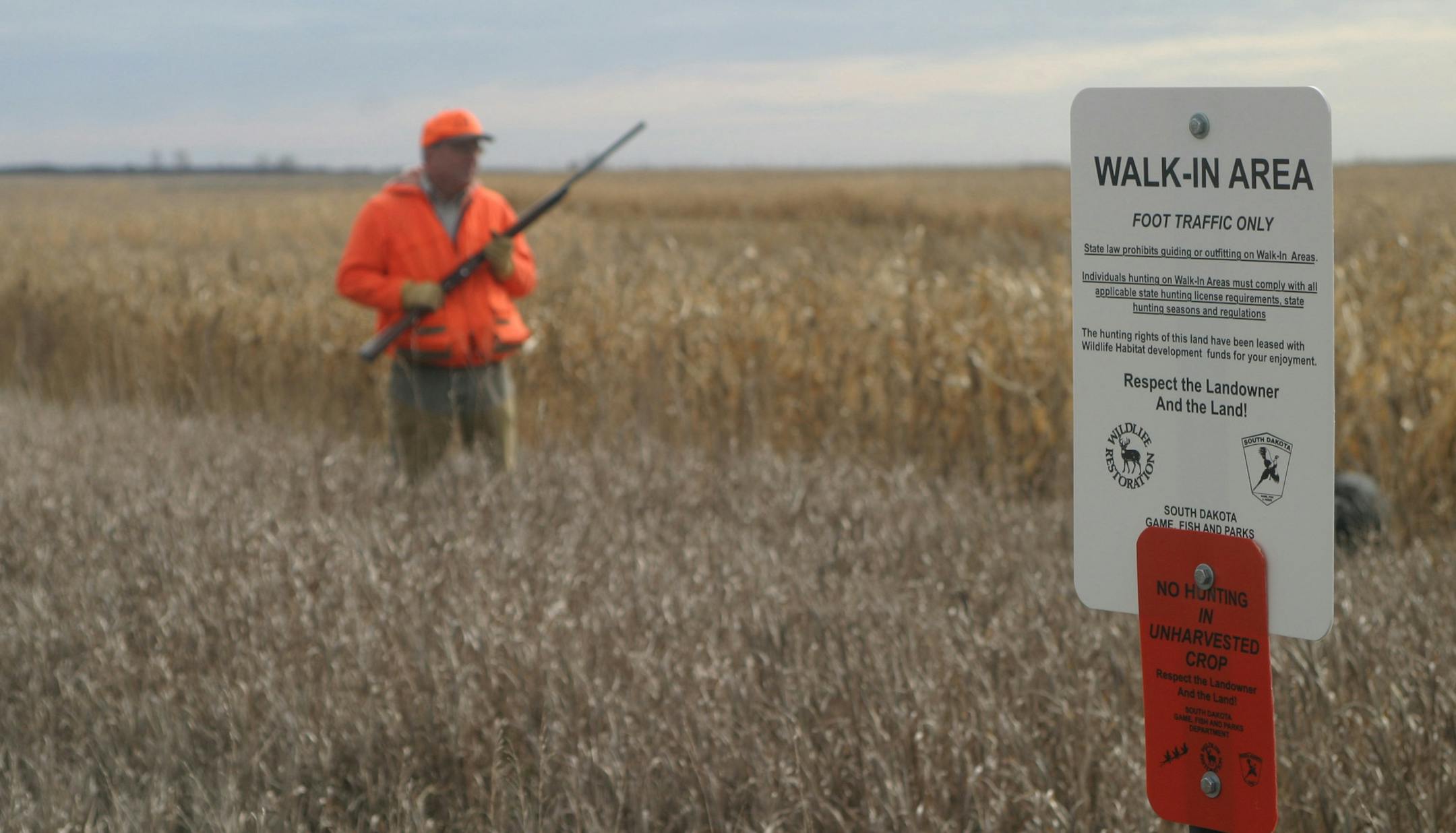
In North Dakota, particularly, the loss of CRP will be noticed by hunters who use the state's walk-in hunting lands, called Private Land Open to Sportsmen (PLOTS). Under the program, landowners are paid to allow public access to their lands. Much of that acreage is grassland enrolled in CRP. If farmers pull out of CRP and convert their grasslands to crops, the PLOTS contracts also expire. In the past two years, the state Game and Fish Department has lost about 250,000 acres from the walk-in program.
And if the trend continues, PLOTS acres could fall from 1.1 million at its peak three years ago to around 200,000 acres by 2018.
"This landscape change in North Dakota is the most dramatic since the first settlers came and started breaking the prairie,'' said Kevin Kading, head of the Game and Fish Department's private lands program. "How do we keep our wildlife populations in good shape when faced with grassland loss like this? It's going to be really difficult.''
And hunters this fall could notice something else besides fewer PLOTS parcels and a 30 percent decline in the ringneck population: The quality of the habitat on those PLOTS land is declining as other lower-quality lands are replacing the lost CRP acres. "It's changing the face of our program,'' Kading said.
At its peak, about half the 1 million acres in the program was also enrolled in CRP.