Minnesotans are cramming into chiropractic offices and squeezing in treatments for back problems and pain relief before the state’s Medicaid program stops paying for them next month.
Ben Whitley doubled appointments in December, because the 33-year-old isn’t sure he will be able to afford them come January. Regular chiropractic care only reduces his pain on a 10-point scale from nine to six, he said, but that means he is no longer stuck in bed at home in Little Canada 20 hours every day.
“It’s life-changing,” he said. “I can stand long enough to cook a meal.”
Eliminating chiropractic benefits from Medicaid, starting in 2026, will likely affect tens of thousands of Minnesotans. The cuts allowed Gov. Tim Walz and lawmakers to close a deficit and save taxpayers about $6 million per year without cutting other payments to doctors and hospitals. Critics predicted dire tradeoffs, though, because the low-income and disabled Minnesotans who qualify for Medicaid are least likely to afford chiropractic treatments on their own and most likely to fall back on addictive opioid painkillers for relief.
“Low-income Minnesotans are left with fewer and more dangerous options,” said Adam Millsop, president of the Minnesota Chiropractic Association, the advocacy group for the state’s 3,300 licensed chiropractors.
The cuts disrupt something of a renaissance era for chiropractors, who were famously dubbed quacks decades ago by the American Medical Association but have established the effectiveness of their treatments through research and gained a foothold in mainstream medicine.
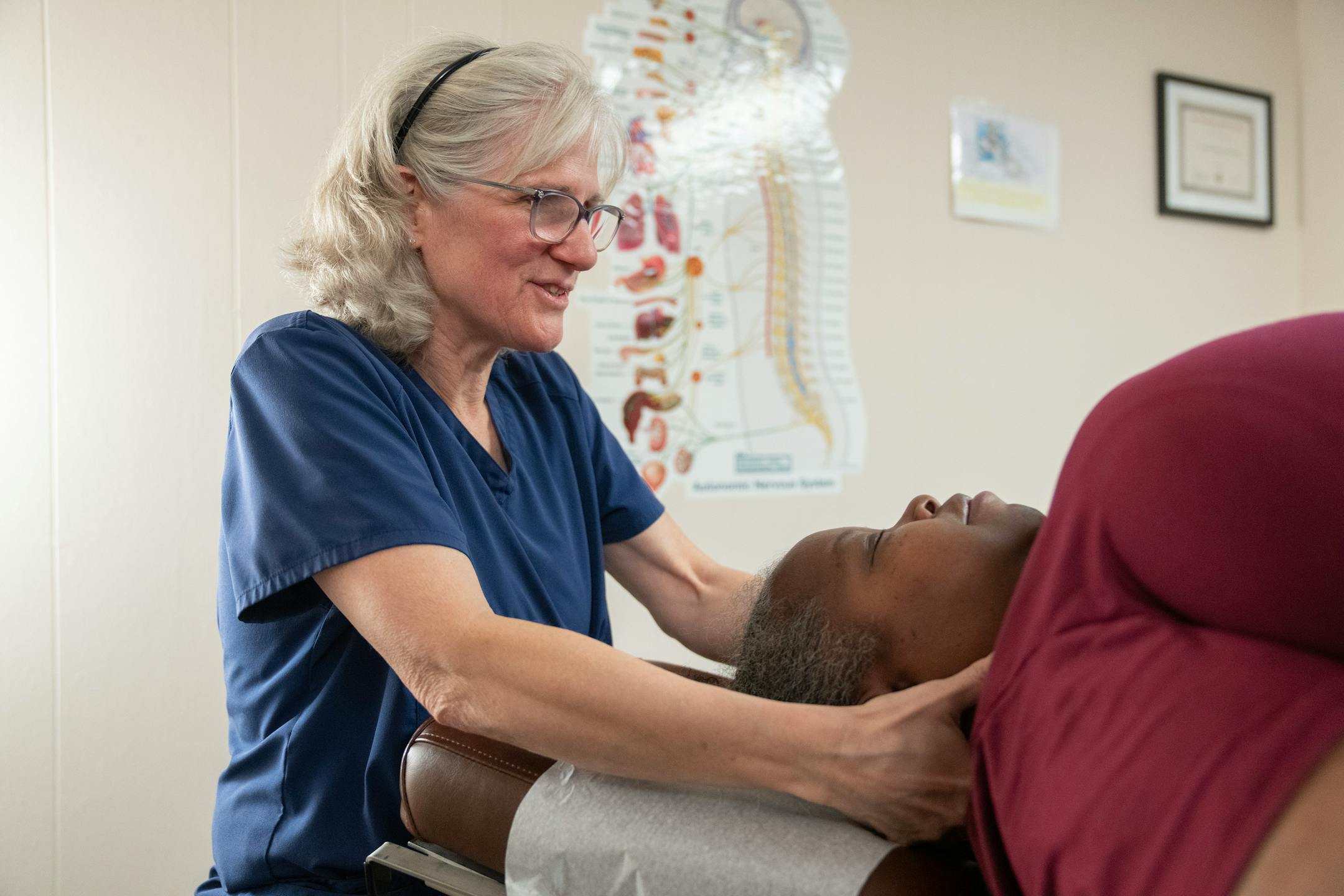
Chiropractic care centers on hands-on spinal manipulation techniques, designed to correct misaligned vertebrae in the back that can press on nerves and restrict muscles.
The number of licensed chiropractors has increased 10% over the past decade in Minnesota, which is home to one of the nation’s largest chiropractic schools in Northwestern Health Sciences University. The Bloomington institution publicly opposed the Medicaid cuts, which Walz proposed in his budget and the legislature approved this spring.