

I grew up in a place where a kid could count Main Street merchants as friends.
K.T. Faris always seemed glad to see me, even if I was "just looking" at his jewelry store. Courtly John Hermanson (befitting the undertaker he also was) let me sit on the new sofas in his small showroom as we chatted. Nick Schwebach indulged my visits for a year before I'd finally saved enough to buy a portable stereo at his appliance store.
Maybe that's why I latched on to the so-called "e-fairness" sales tax issue during the last few legislative sessions. I take offense at sales tax policies that put today's Main Streeters -- as well as the Minnesota Bigs: Best Buy and Target -- at a disadvantage to online sellers with no stores or warehouses in Minnesota.
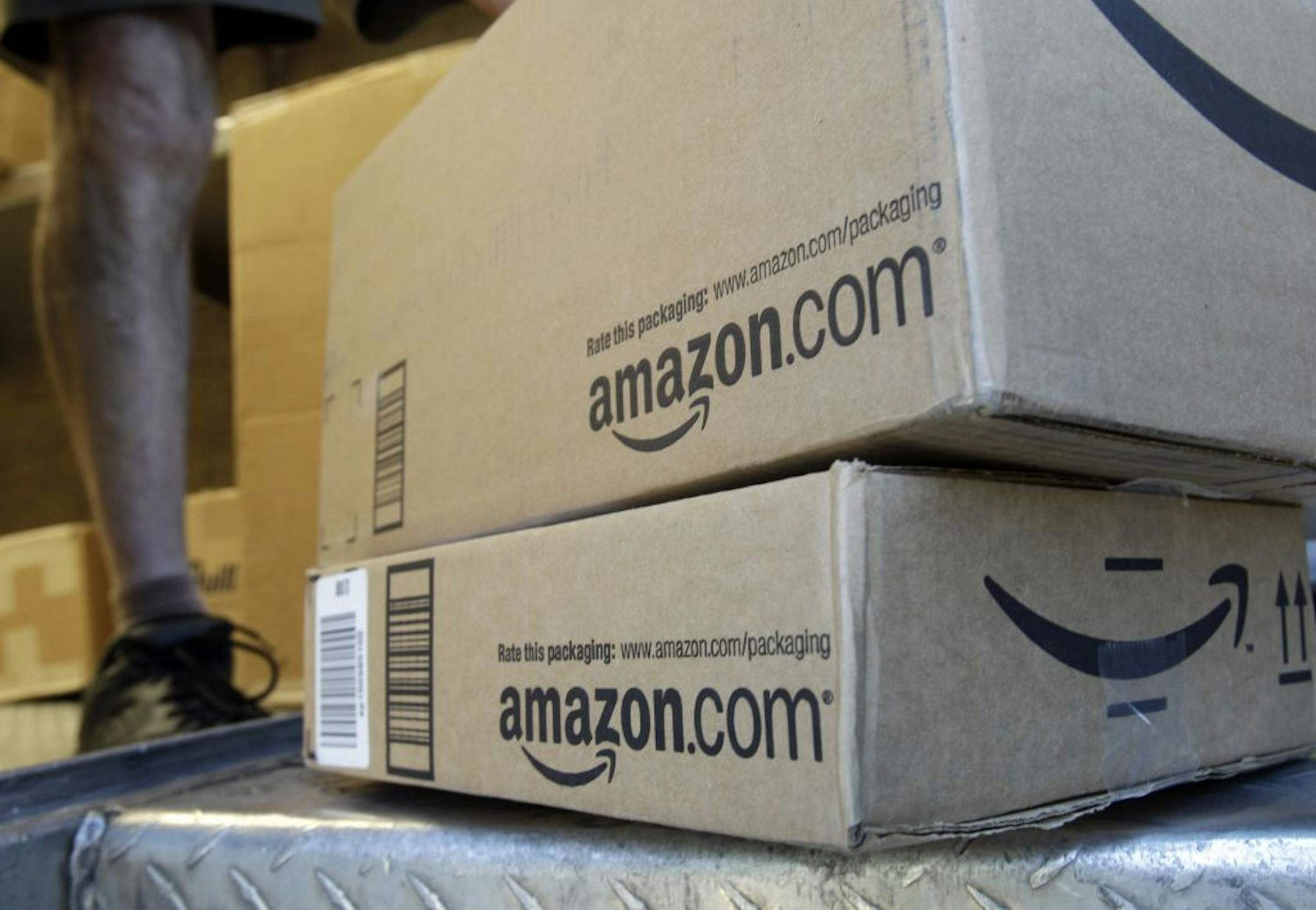
Which sellers are they? Here's a clue: The other name for this issue is "the Amazon tax."
Amazon.com and a few others of its ilk aren't required to collect sales taxes from Minnesota consumers at the time of purchase, despite having sales affiliates in the state. Minnesota-based online sellers are. That puts the locals at a 6.85 percent disadvantage on every purchase.
It isn't that Amazon customers don't owe the tax. They do. But they are politely requested to self-report their purchases and pay up when they file their state income tax returns.
State tax auditors cannot verify the accuracy of those reports. Taxpayers, being no dummies, have figured that out. It's amazing how often shoppers who easily recite their account passwords and credit card numbers can't recall making any untaxed online purchases at year's end.
Requiring Amazon and other sellers with Minnesota affiliates to collect sales taxes at the time of purchase, as Minnesota-based retailers must, is thus a matter of tax law compliance as well as fairness.


