

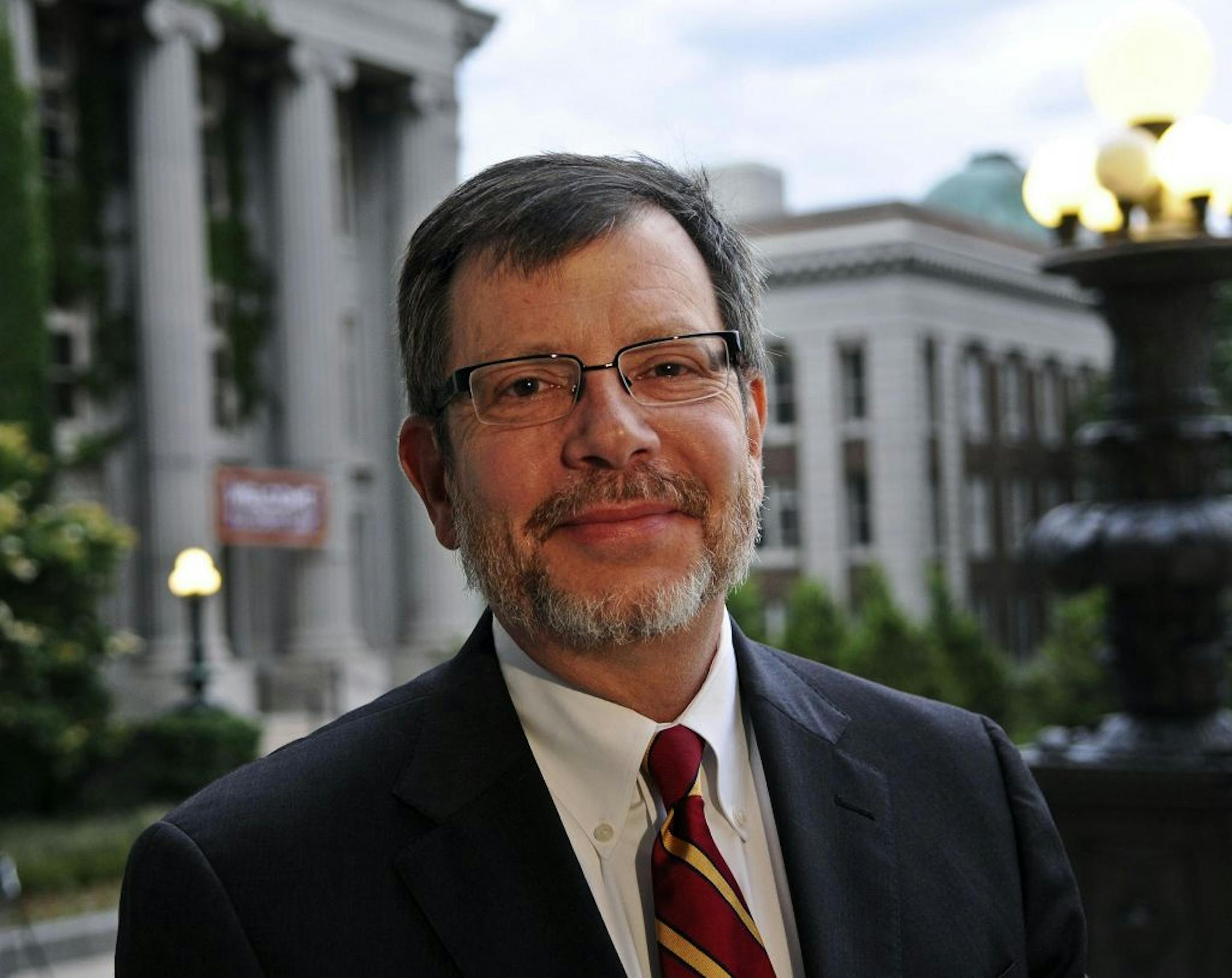
A been-here-before feeling hit me as I pushed the Morrill Hall elevator button for floor No. 2 and prepared to ask the new president of the University of Minnesota why he's been talking so much about the state's chronic K-12 achievement gap.
Would I hear Eric Kaler reprise Mark Yudof's vow to make the university a better K-12 ally? Is this still 1997?
Thankfully, it isn't -- even though when Kaler sounds alarmed about the big disparity in test scores between white and nonwhite K-12 learners, he echoes both Yudof and the president who came between them, Robert Bruininks.
In 1997, Minnesota's achievement gap was already old news. But denial was still rampant among well-meaning folks who claimed that the gap was large simply because middle-class white kids were unusually "above average" in this state.
Knowledgeable folks don't say that anymore -- not in the face of nonwhite Minnesota kids' test scores that are lower than those of nonwhite kids in most other states.
Others thought 15 years ago that whatever problem existed would fade by itself over time. Or that all that was needed to bridge the gap was one ideologically tinged remedy.
More charter schools! Pay teachers more! No, bust teachers' unions!
In some respects, maybe it is still 1997.


