

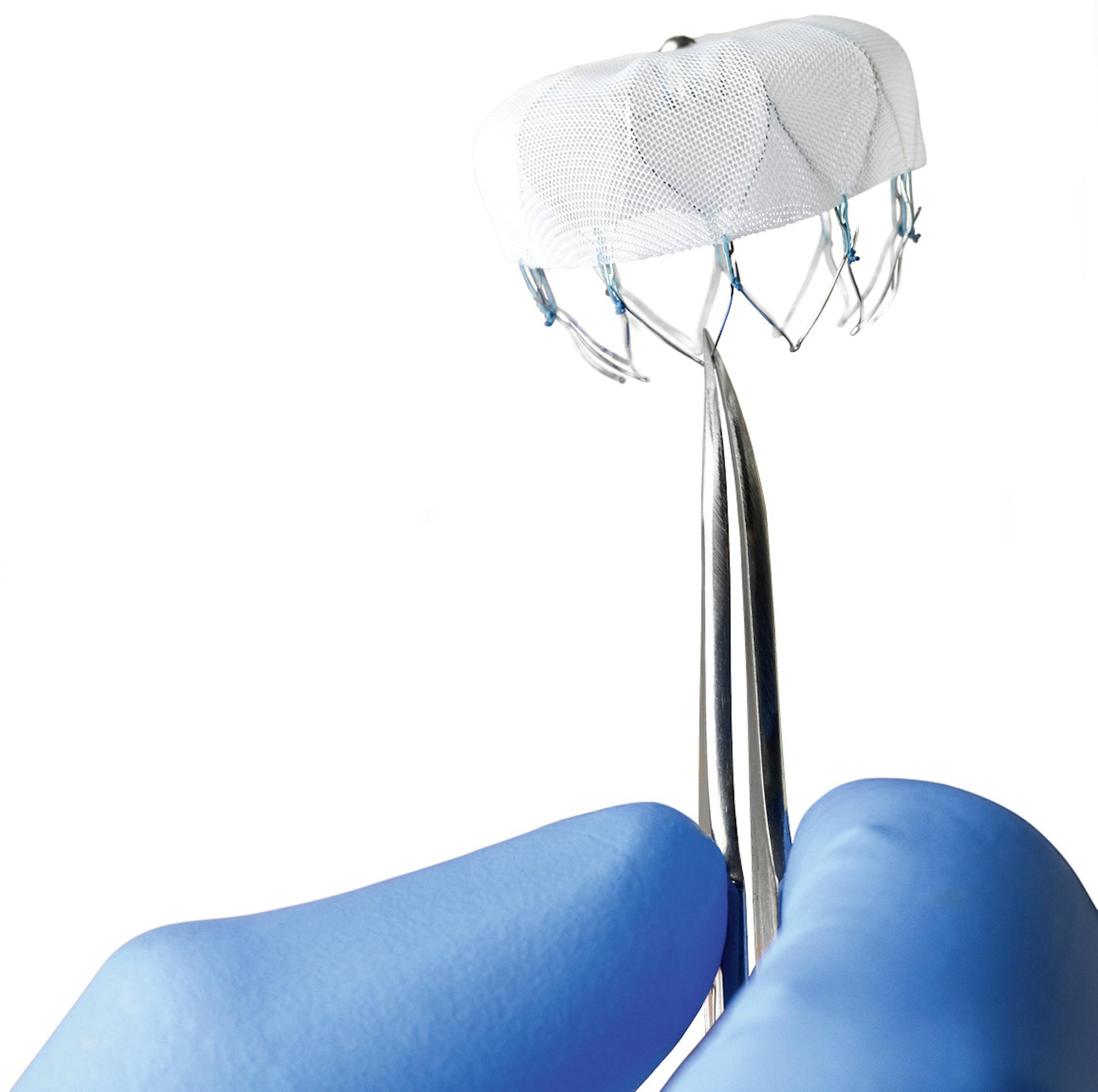
Nancy Hammer waited a long time for a solution to a heart problem that leaves her susceptible to strokes — but not as long as the device's makers waited to provide it.
More than a decade after Minneapolis cardiologists conceived of a way to plug up a pouch where clots form in the hearts of people with irregular heartbeats, doctors in Minnesota are finally implanting the Watchman device in patients.
And all it took was one corporate takeover, one of the longest federal approval processes in medical device history, and a prolonged debate over which patients would receive Medicare coverage for the procedure.
The payoff is reducing strokes in patients who have irregular heartbeats, known as atrial fibrillations, but who struggle with the alternative solution — taking the blood-thinner drug Warfarin to prevent clots, said Dr. Stuart Adler, a cardiac electrophysiologist at HealthEast St. Joseph's Hospital in St. Paul.
"A lot of people would go untreated … They would have no blood thinners and just hope they were not going to have a stroke," he said.
Adler implanted the Watchman as part of research to prove its safety, but Hammer's procedure this April was a first in Minnesota following its 2015 approval by the U.S. Food and Drug Administration and a Medicare coverage decision this February.
A follow-up check on May 27 found Hammer's device was working — sealing off the left atrial appendage that assists with blood flow in a healthy heart, but serves as a breeding ground for clots in so-called AFib patients.
The plug is threaded into the right side of the heart, and then pushed to the left side through an incision made in the heart wall, and finally expanded to the proper size and shape to close off the pouch.


